5 November 2026
Ahead of the THE Awards on 26 November, our Partners have been speaking with those shortlisted for the AQ-sponsored awards, hearing the stories behind their submissions and learning more about the people, ideas and achievements making a real difference across higher education. It’s been a great opportunity to hear directly about their work and share the impact they’re having across the sector.
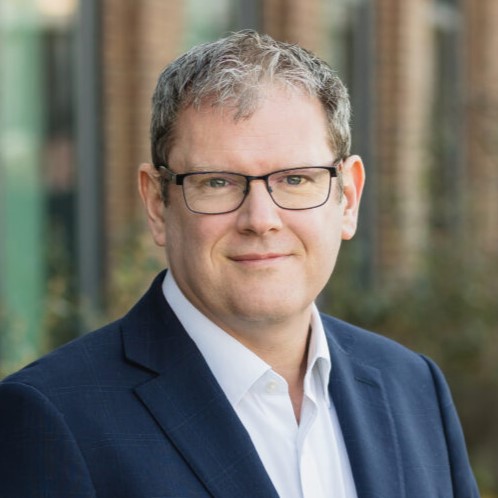
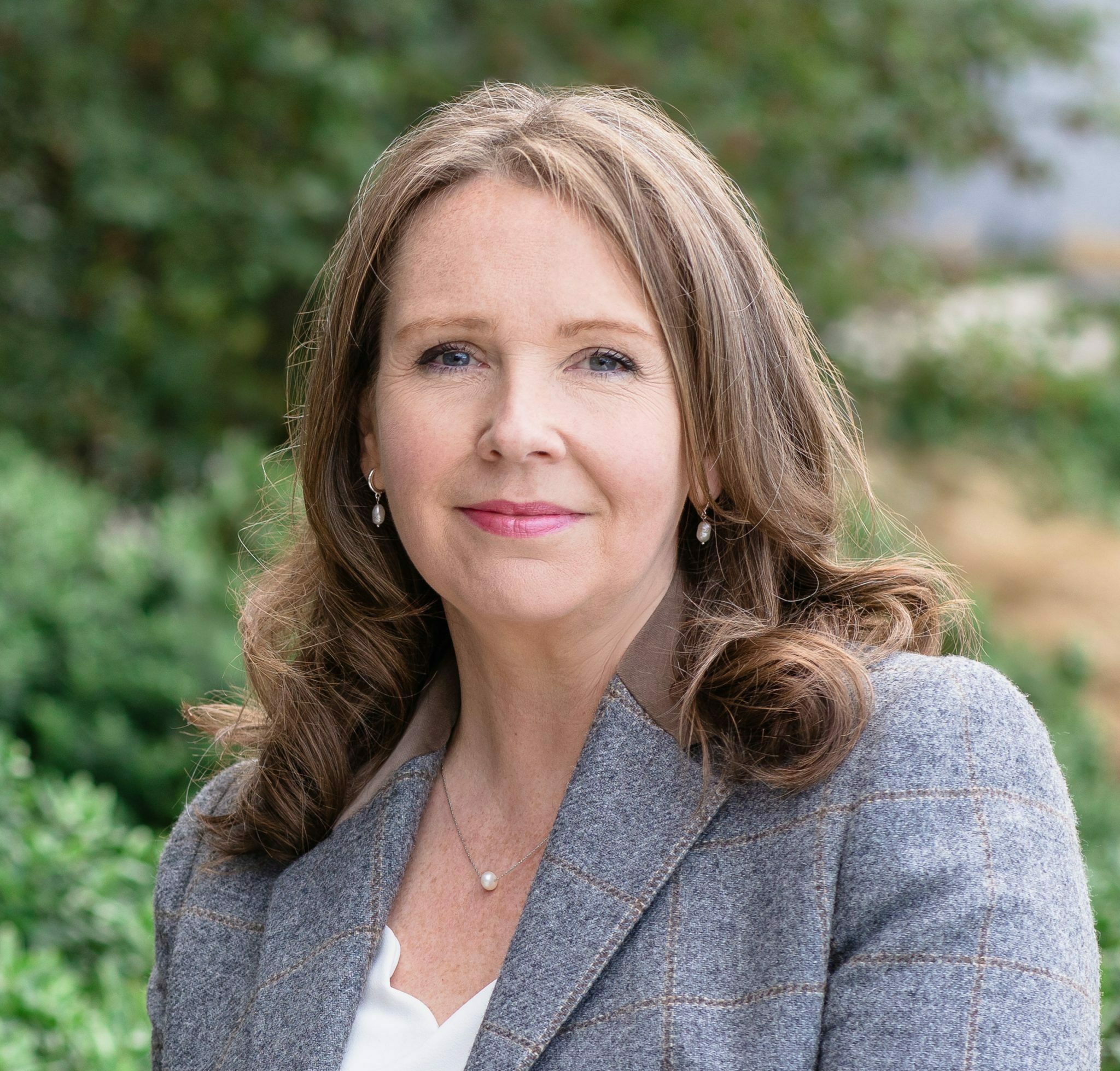
In this interview, Kiersten Avery spoke to Professor Andrew Daly-Smith about the University of Bradford’s shortlisted submission for Outstanding Contribution to the Local Community.
What happens when we stop thinking about physical activity in schools as simply PE, sport and after-school clubs, and start thinking about movement? That was one of the ideas I kept coming back to after my conversation with Andrew. Developed through research and partnership working in Bradford, CAS takes a different approach to helping children become more active. Rather than giving schools a ready-made programme and expecting them to make it work, it helps each school understand its own pupils, community and environment, and create changes that work for them.
What started in Bradford is now reaching around 400 schools across 16 other localities, as well as attracting international attention. But at the heart of the story are the schools, teachers and children who have helped shape it.
Where did Creating Active Schools come from, and what were you trying to change?
Back in 2019, we recognised that there wasn’t really a model in the UK that represented what we call whole-school physical activity. Teachers, researchers, policymakers and national organisations all had different views about what that looked like. We brought together around 50 stakeholders and co-produced the UK’s first whole-school physical activity framework. That gave us the pieces of the jigsaw, but we then needed to understand how you actually create change.
At around the same time, Sport England was investing in Bradford through its Local Delivery Pilot, with a focus on children and young people. I moved to Bradford in 2020 and the two things came together incredibly well.
Bradford is home to some of the most deprived communities in the UK, and its schools serve diverse communities, including a large proportion of children from South Asian backgrounds. That makes it particularly important that we identify the schools and pupils most in need of support, especially those who are least active, and work with them to develop an approach that reflects their circumstances and works for their communities.
Traditionally, we have tended to create a neatly packaged intervention, give a school some training and say, “off you go”. But every school is different. Even physically, we have schools in Bradford with extensive green space and others with virtually none. You can’t expect those schools to do the same thing.
CAS starts from a different place. We work with schools at an organisational level, help them understand what needs to change and support them through that process. Crucially, pupils have a voice too. We’re not doing something to schools or children. We’re working with them.
What does that actually look like in a school?
It can look completely different from one school to another, and that’s really the point. We’ve seen schools change their playgrounds, introduce different types of play, take learning outside and build physical activity into lessons. We’re also seeing it appear in school development plans, teaching and learning policies and the everyday conversations staff have about learning.
One school developed something called Active Enrichment. They recognised that by Friday afternoon pupils were tired and traditional lessons weren’t necessarily achieving very much. So, for an hour and a half, the whole school came off timetable and pupils could choose from activities including outdoor learning, archery, cycling and climbing. It became incredibly popular and has spread to other schools.
Girlington Primary School is another great example. They came into CAS thinking they were already a fantastic active school because their sports teams were successful and they were winning competitions. When they used our profiling tool, it made them realise that what they actually had was a very good high-performance sports offer for a relatively small number of children. That prompted them to think much more broadly about how they could create opportunities for all their pupils to be active. That’s the sort of change we’re trying to create.
One of the things that really struck me was your use of the word “movement” rather than “sport”. Why does that matter?
One of the headteachers we work with in Manningham says they don’t talk about sport, PE or even physical activity – they talk about movement. For some children and families, sport can feel like something that’s not for them. It can be associated with competition or with people who are already active. We also need to understand the cultural context of the communities we’re working with, including attitudes towards gender and physical activity.
We’re not trying to tell a school it must run a particular sports club or deliver something in a particular way. We’re saying: build what works for you and your community. Once you get people comfortable with movement, you can start to build from there.
That local context is incredibly important. In Manningham, for example, there were four primary schools within a relatively small area which had previously had very little interaction with each other or with the local Manningham Sports Association.
Through CAS and the wider JU:MP programme, those connections have developed. Schools are collaborating and sharing spaces, and there are stronger links into opportunities for children to be active beyond the school gates. That’s what a whole-system approach can start to achieve.
How do you make sure this becomes part of school life rather than another initiative that eventually disappears?
We’re not interested in “flash bang” initiatives. We want schools to make small, sustainable changes over time. We’ve looked at organisational change after nine months and again after 24 months, and we’ve seen sustained improvements in schools’ culture and capacity around physical activity. That might mean physical activity appearing in a school development plan or teaching and learning policy. It might mean changing the physical environment. But it can also be a change in culture.
A teacher taking a maths lesson onto the playground might once have been questioned for taking children out of the classroom. Over time, that conversation can change to people recognising how engaged those pupils are in their learning.
One of the things I’m particularly proud of is our communities of practice. When we first started them, they were about 95% researcher-led. Now they’re around 90% led by school leaders and teachers.
Schools are sharing what they’ve tried, what’s worked and what they’ve learned. That helps create a new norm. Instead of researchers telling schools what to do, schools are increasingly learning from and supporting each other.
We’re also now evaluating the longer-term impact through £2 million of funding from the National Institute for Health Research, following around 1,500 pupils in Bradford and the wider area over five years, and then again over seven years. We want to understand whether the changes we’re seeing really do become embedded and sustained.
We started talking about physical activity, but our conversation quickly became about something much bigger: how children experience school. Is that fair?
Absolutely. Education is facing some significant challenges. We have increasing numbers of pupils with special educational needs and more diverse learning needs, alongside concerns about school avoidance and children not wanting to be in school – we need to ask why.
Not every child learns best sitting at a desk. If a child can learn numeracy or literacy in a playground and that creates more interest and excitement, why wouldn’t we think differently about that? Sometimes we assume that because a pupil is sitting at a desk, they’re paying attention. We know from our research that isn’t necessarily the case.
What we’re seeing from the schools we work with is that putting physical activity more centrally into school life can create a more positive pupil experience, which can lead to more positive outcomes. Ultimately, I think we’re looking for a kinder, more diverse educational experience that broadens beyond purely academic outcomes.
CAS started in Bradford, but it is now reaching much further. Where would you like it to go next?
In 2024, we led the world’s first whole-school physical activity conference, with around 300 delegates from 24 countries. CAS was showcased alongside programmes from countries including Australia, Finland and Norway. We’re now supporting other countries to think about their own place-based approaches, while the work developed in Bradford is already being used across 16 other localities and around 400 schools.
We’ve also had a lot of interest from secondary schools, both in Bradford and elsewhere, and that’s somewhere we want to go next. It’s a more challenging environment because there are more layers of management, but it’s a really exciting opportunity.
We’re also hoping that the approach we’ve developed might help inform the evolving national picture for PE and school sport in England. But the ambition isn’t simply to get more schools to adopt a programme. What we’re trying to create is an ecosystem where schools support each other to improve, where good ideas are shared and adapted, and where movement and physical activity become part of what schools fundamentally do rather than something additional that disappears when funding or priorities change.
And this isn’t the work of one person or even one organisation. The wider University of Bradford team, the schools, teachers, Yorkshire Sport Foundation and all the other partners and localities involved have been fundamental to it. CAS isn’t just the University of Bradford. It’s owned by everybody who’s part of it. It’s a movement rather than a product.
We’re looking forward to celebrating the achievements and successes of higher education institutions across all the awards next month, and recognising the fantastic work taking place across the sector. To see the full shortlist of the THE Awards, visit their website at https://the-awards.co.uk/2026/en/page/shortlist.