30 September 2026
Anderson Quigley’s latest Women in Tech event, hosted in partnership with The Law Society, brought together technology leaders from across sectors for an open discussion on what it really takes to lead change.
Chaired by diversity and inclusion specialist Femi Otitoju, the panel featured Kate Evans, Executive Director of Technology and Data at The Law Society; Judy Howarth, Director of Data & AI at The Law Society; Grace Tattersall, Partner and Technology Practice Lead at Anderson Quigley; and Laura Dawson, Founder of Leaderly Consulting.
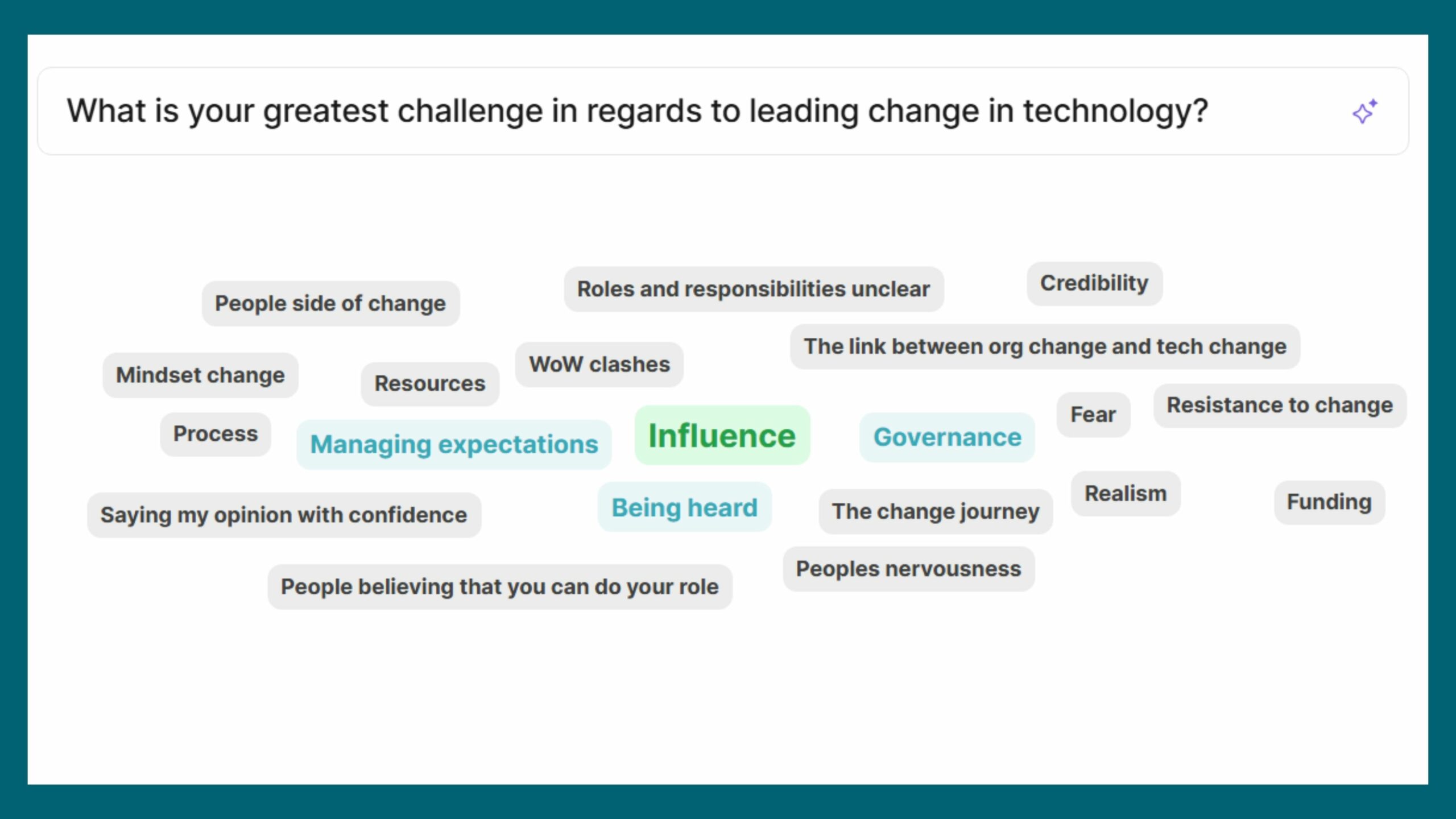
Rather than focusing on technology itself, the conversation centred on the human side of transformation: confidence, credibility, relationships and influence
Reflecting on confidence in her own career, Kate spoke about the importance of not waiting for the perfect moment and stepping into uncertainty and how it becomes gradually easier to be comfortable in ambiguity the more you push yourself out of your comfort zone.
Judy built on this point, arguing that confidence is often earned through delivery. We demonstrate our value by understanding challenges and solving pain points, and through consistent delivery, we build credibility through the eyes of those around us and often within ourselves.
The panel also explored how confidence is perceived, particularly for women progressing into senior leadership positions. Grace shared that many talented candidates hold themselves back because they focus on what they cannot yet do, rather than what they can. Authenticity, she stated, is often more compelling than polished self-promotion, particularly when supported by evidence of impact.
“I frequently meet leaders, often women, who want to step up but don’t feel they can do everything on the list. But you don’t have to be able to do everything on the list. You just have to be credible enough to talk about what you could deliver and demonstrate your competence”
Femi led the conversation toward relationships, a crucial aspect of successful leadership. Laura encouraged attendees to invest in relationships long before they need them. She challenged the concept that a leader’s most important team is the one they manage, arguing instead that their peer network across the organisation is often where influence is built, and change is enabled.
Across the discussion, panellists repeatedly returned to the importance of understanding priorities, spending time in different parts of the organisation and taking the effort to learn how others experience the challenges technology is trying to solve.
This naturally led to a discussion about organisational politics. While the word often carries negative connotations, Laura insisted the audience think of it as building cultural relations instead of politics.
“It’s about understanding the other, and understanding yourself, and trying to find some common ground. When you’re talking about office politics and rumours, the antidote is communication.”
In regard to inter-organisational relationships, Kate challenged technology professionals to stop talking about “the business” as though technology sits outside it. Judy agreed, stressing the importance of embedding technology and data teams within the organisation, spending time with operational teams and understanding their day-to-day realities. The message was clear: meaningful influence comes from understanding the wider organisation, not just the technology.
The discussion also highlighted the role sponsorship plays in career progression. While mentoring remains valuable, the panel drew a distinction between mentors who offer advice and sponsors who actively advocate for opportunities. Kate described sponsorship as being willing to put your own reputation behind someone else’s potential, speaking their name in rooms where they are not present and helping create opportunities that might otherwise be missed.
Laura offered an incredibly poignant view: most leaders don’t need mentors. They need sponsors.
“The vast majority of people in this room, I would bet, don’t actually need mentoring. You’re fine. You’ve got the skills you need. You need a sponsor. You need somebody to put your name forward in a room.”
In this modern era, there is no way any conversation around tech can escape a mention of AI. Judy shared her experience of AI adoption within The Law Society, heavily stressing the need for the right data foundations, governance and guardrails to be in place and, most importantly, keeping the human element at the forefront.
This was a highly interactive session, pointing to Femi’s impressive abilities to conduct a room. The audience offered questions, comments and answers to one another throughout, reflecting on the way this network has grown over the years and become a supportive, safe space to ask the things out loud that you may often just wonder to yourself.
The session closed with practical advice from each panellist. Build the relationships that matter before you need them. Push yourself outside your comfort zone. Invest in strong teams. Make time for face-to-face conversations. And perhaps most importantly, don’t wait until you feel completely ready before stepping forward.
Women in Tech: Thriving in the Digital Age | AQ
To learn more about our Women in Tech group, including how your organisation can host the next event or how you could become a panel member, contact Grace Tattersall; you can also join our Women in Tech LinkedIn group here.