


18 September 2026
My dad used to joke that he went to the Staff Office and got a job, went to Personnel and got promoted, then went to Human Resources and got sacked. That aside, there is a whole science around names and naming. The nomenclature of work is constantly evolving, often revealing how organisations want roles to be understood. Staff became personnel, personnel became human resources, and human resources became people and culture. Computers became IT, then technology, digital, information and data. The language changes to reflect new expectations, new capabilities and, occasionally, a desire to make familiar responsibilities sound rather more exciting.
The latest evolution in university job titles, however, is less about what we call a role and more about the number of words that appear after it. Across the sector, universities are bringing together portfolios that have traditionally been led separately: libraries and digital; marketing, communications and student recruitment; research, innovation and external engagement; people, culture and organisational development. There can be a compelling logic to this. Universities are under intense financial pressure, and some historic structures are fragmented, expensive and difficult to navigate. Bringing related services together can reduce duplication, create clearer accountability and organise activity around the needs of students rather than inherited professional boundaries. But structural simplicity on an organisation chart can also create leadership complexity in practice. In reducing the number of senior roles, universities need to be careful that they do not create jobs that are simply too large for any one person to do well.
We have seen this before. Following the post-2010 squeeze on public spending, much of the public sector began removing management layers, shrinking senior teams and combining portfolios. Local government provides perhaps the clearest parallel. Councils facing year after year of funding reductions had to find fundamentally different ways of organising themselves. Chief executive posts were shared between councils, joint management teams emerged and responsibilities that had once sat across several directors were assembled into much larger portfolios. Finance was combined with resources, regeneration with place, and corporate services came to encompass an extraordinary mixture of people, property, technology, legal services, governance and transformation.
Some of that redesign was thoughtful and effective. It broke down boundaries, encouraged services to work together and created leadership structures that better reflected the outcomes councils were trying to achieve. Some of it was driven more bluntly by the need to remove cost. A senior post disappeared, but its responsibilities did not. They were simply divided among the people who remained. The organisation chart became neater and less expensive, while the jobs within it became broader and harder to deliver. Higher education is now moving through a similar phase. Executive teams are shrinking, portfolios are expanding, and one leadership vacancy can become an opportunity to accommodate several organisational needs at once. Sometimes that creates a genuinely integrated role. Sometimes it produces three jobs joined together.
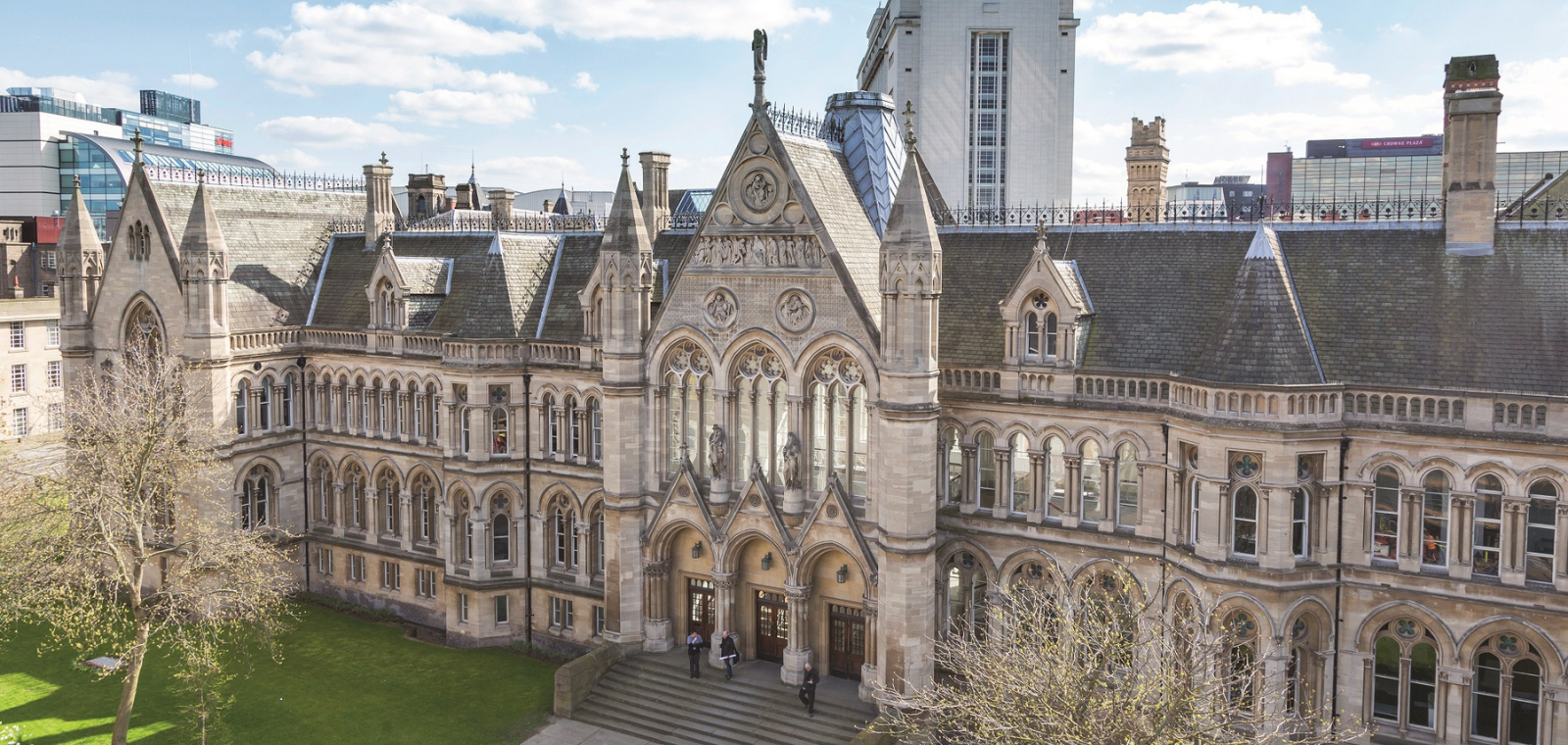
The distinction lies in whether there is a strong organising idea behind the portfolio. This is particularly relevant to two appointments I’m currently supporting at Nottingham Trent University. The first is an Executive Director of Libraries and Digital Services. At first glance, libraries and digital technology might appear to be two sizeable professional disciplines sharing a reporting line. Look more closely and the organising purpose becomes clear: giving students, educators, researchers and colleagues the information, systems, resources, spaces and support they need to succeed. It brings physical and digital environments together around the people who use them. Library operations, academic skills, scholarly communications and open access connect with digital systems, infrastructure, user support and cyber security through a shared commitment to service, access and institutional effectiveness.
The second is an Executive Director of Communications, Alumni Relations, Marketing and Student Recruitment. It is certainly a long title, but again there is a coherent thread. This portfolio connects how NTU presents itself to the world with how it reaches prospective students, communicates with its communities and maintains lifelong relationships with its alumni. Brand, communications, recruitment, admissions, alumni relations and philanthropy all shape how people encounter, understand and engage with the University. Bringing them together creates the opportunity for a clearer institutional story and a more connected journey from initial awareness through to enrolment, graduation and an ongoing relationship with NTU. These are broad roles and are intended to be. Their success will depend on leaders who can respect the depth of the individual professions while creating something greater across the portfolio.
The first test of any university super-role, then, is coherence. Is there a clear reason for the functions to sit together beyond the savings created by having one fewer executive salary? The second is scale, because a portfolio can be coherent and still be too large. There is a tendency during restructures for responsibilities to be added without anything being removed. The new leader inherits an already substantial remit, acquires another major function and is then asked to lead an institution-wide transformation programme alongside it. The job description grows, but the working week does not. The third test is the structure beneath the role. Broad jobs work when the executive leader is supported by excellent functional directors with clear authority, strong teams and professional credibility. Without that capability, the postholder risks becoming the senior manager of several disconnected services rather than the strategic integrator the institution intended.
This is where organisation design meets recruitment. Expecting candidates to have already led every element of an unusual portfolio will produce a small and familiar field. A better test is whether they bring depth in at least one core discipline, the judgement to lead beyond it and the confidence to draw on the expertise around them.
Candidates will quickly distinguish an ambitious role from an impossible one. They will want to know whether its authority, resources and supporting structure match its breadth. Where they do, a wide portfolio can offer real influence and the opportunity to connect services that have previously worked apart.
The lesson from local government is that combining accountability does not automatically integrate the work. A well-designed super-role starts with a clear purpose and a structure capable of delivering it. A poorly designed one starts with the saving and finds somewhere to put the remaining responsibilities.
The question is not how long the title is, but whether the words belong together.
Ed has been speaking and supporting a number of universities about how these portfolios are evolving, so if you’re considering how to shape a broader executive role and would like some insights on what we’re seeing across the sector, please drop Ed a line. Both NTU appointments mentioned above close at noon on Monday 21 September. Further information is available through the links above, or contact him for a confidential conversation at ed.pritchard@andersonquigley.com or +44 (0)7980 817 927.


13 October 2026


8 October 2026


6 October 2026