30 October 2026
Ahead of the THE Awards on 26 November, our Partners have been speaking with those shortlisted for the AQ-sponsored awards, hearing the stories behind their submissions and learning more about the people, ideas and achievements making a real difference across higher education. It’s been a great opportunity to hear directly about their work and share the impact they’re having across the sector.
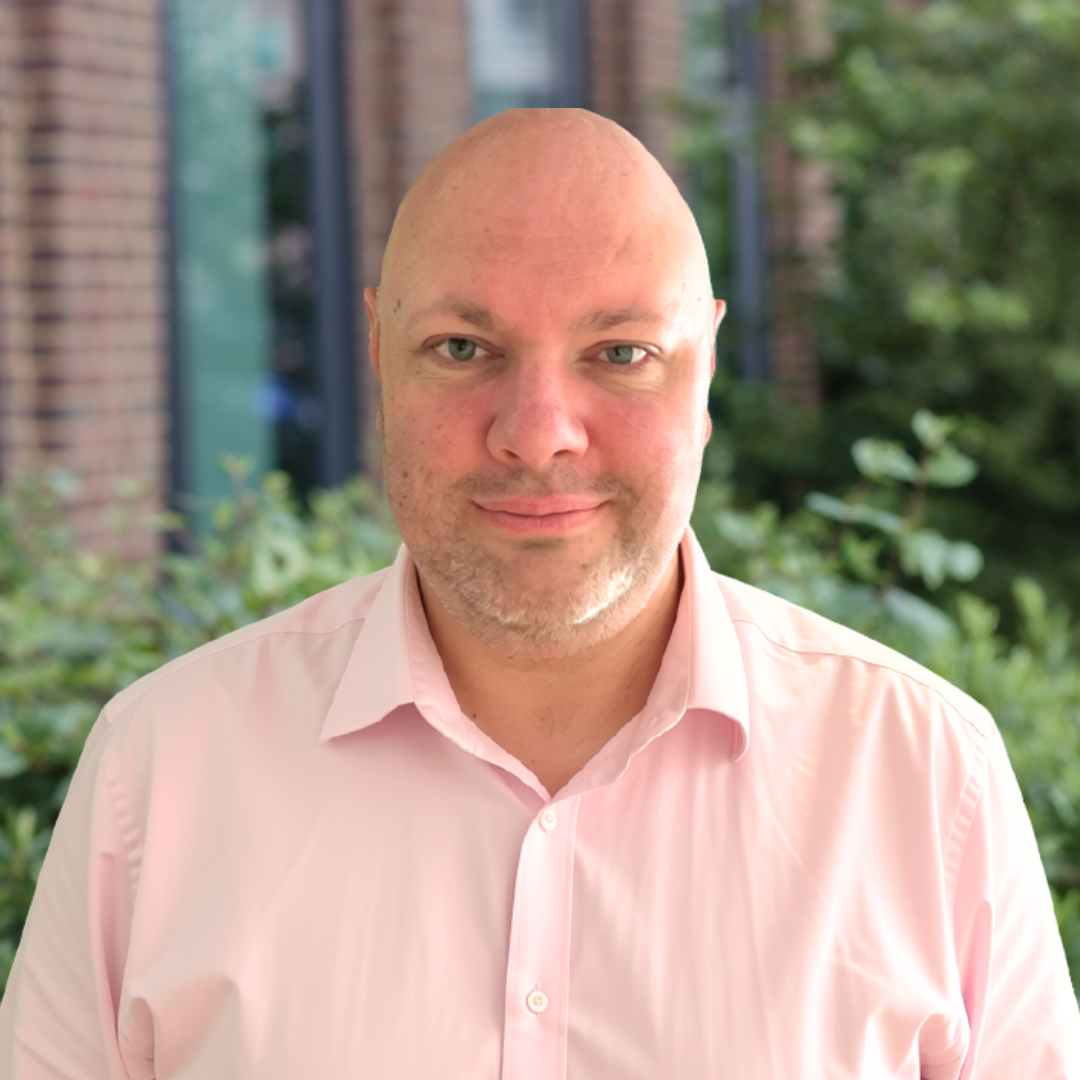
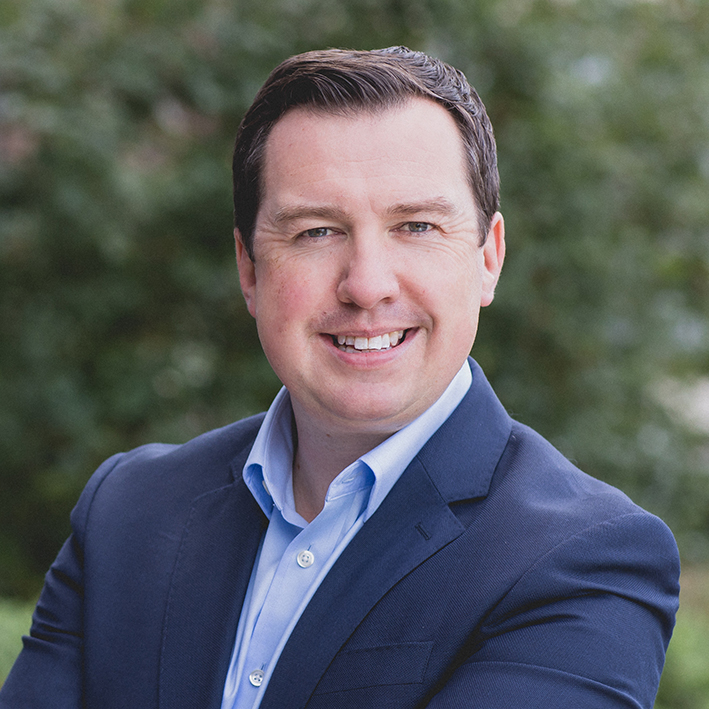
In this interview, Ed Pritchard spoke to the Co-Directors of the Emma Ritch Law Clinic, Eamon Keane and Professor Jacqueline Kinghan at the University of Glasgow, about their shortlisted submission for Outstanding Contribution to the Local Community.
For a survivor of sexual violence, navigating the criminal justice system can bring further uncertainty and distress. Understanding what happens next, who to ask for help and what choices are available can be difficult at a time when control over their own life has already been taken away. Helping people regain some of that control is central to the Emma Ritch Law Clinic at the University of Glasgow.
For co-director Professor Jacqueline Kinghan, the starting point is listening to what each client wants. A meaningful outcome can look different from one person to the next. “We’re just trying to facilitate safety and choice,” she says.
Bringing expertise together
The clinic grew from a conversation between Kinghan, fellow co-director and principal solicitor Eamon Keane, and the chief executive of Rape Crisis Scotland. Keane was already combining academic work with legal work for the charity. He could see the need, but there was a limit to what he could take on alongside his university role.
Kinghan brought experience of establishing clinical legal education at UCL, where students learn through work on real legal matters. She had joined Glasgow with a remit to help develop that approach in the School of Law. Together, they saw an opportunity to connect student education with a gap in support for survivors.
Turning the idea into a service meant establishing a regulated law firm within the university setting. There were substantial ethical, data protection and practical requirements to work through. Keane describes strong institutional support from the outset, helping the team take on an unusually specialised area of law clinic work.
“It felt like everyone was coming at things from their own perspective,” he says. What brought them together was a shared determination to use that expertise to make a difference.
Making a difference to individuals
The clinic supports clients with issues ranging from privacy and sensitive records to concerns about how criminal justice agencies have handled their cases. Its work includes helping people understand their options and challenging treatment that the team believes has fallen short.
Keane describes cases that have prompted apologies, commitments to change practice and recognition that further training is needed. Such responses cannot undo what someone has experienced. They can, however, acknowledge that something went wrong and help prevent the same problems affecting others.
For both co-directors, that connection between individual support and wider improvement matters. Research can inform reform, while the experience of clients shows how the system operates in practice and where further work is needed.
Kinghan describes “research informing practice and practice informing our research”. The clinic sits within a wider body of expertise on gender-based violence at Glasgow’s School of Law. The team’s work includes a Scottish Government-commissioned review of models of independent legal representation, while the clinic has also represented Rape Crisis Scotland in a UK Supreme Court intervention.
Learning what it means to be a lawyer
Students are closely involved, attending court, taking part in client consultations and helping draft documents. Keane admits he initially had concerns about how students could contribute to work of such sensitivity. Their commitment and judgement have impressed both co-directors.
“They’re so keen to apply what they’ve learned to date in their degrees,” he says.
That learning extends beyond legal procedure. Students meet people whose circumstances may involve poverty, addiction or other complex needs. They begin to understand that someone rarely arrives with a single legal problem neatly separated from the rest of their life.
The clinic trains students in approaches that recognise the effects of trauma, with support from psychologists and individual meetings to discuss how the work is affecting them. Attention to their own wellbeing sits alongside the responsibility to treat clients sensitively and uphold professional standards.
Kinghan and Keane hope students will take those habits into whichever area of law they pursue. Former participants have progressed to criminal defence work, prosecution traineeships and pupillage. The team is still tracking longer-term outcomes, but students have described how the experience gave them practical examples and a deeper understanding of criminal justice to draw on in interviews.
Reaching more people
The next stage is a substantial expansion through SOLACE, a Scottish Government-funded independent legal advice service for witnesses in High Court sexual offences prosecutions. At the time of the interview in October, the service had begun a soft launch, with its formal launch planned for November.
Four additional staff, including two solicitors, have been recruited. The ambition is to move from supporting dozens of clients to hundreds each year, while continuing the research and learning that underpin the service.
For Keane, growth comes back to the purpose that brought the clinic into being: being there for someone at a time of acute need. “I genuinely feel we’ve created something that makes an enormous difference to people who are extremely vulnerable,” he says.
As the service develops, that individual relationship remains at its centre. For Glasgow, the clinic is also helping students understand the responsibility that comes with legal knowledge and how they can use it to support people who might otherwise struggle to be heard.
We’re looking forward to celebrating the achievements and successes of higher education institutions across all the awards next month, and recognising the fantastic work taking place across the sector. To see the full shortlist of the THE Awards, visit their website at https://the-awards.co.uk/2026/en/page/shortlist.