23 October 2026
Ahead of the THE Awards on 26 November, our Partners have been speaking with those shortlisted for the AQ-sponsored awards, hearing the stories behind their submissions and learning more about the people, ideas and achievements making a real difference across higher education. It’s been a great opportunity to hear directly about their work and share the impact they’re having across the sector.
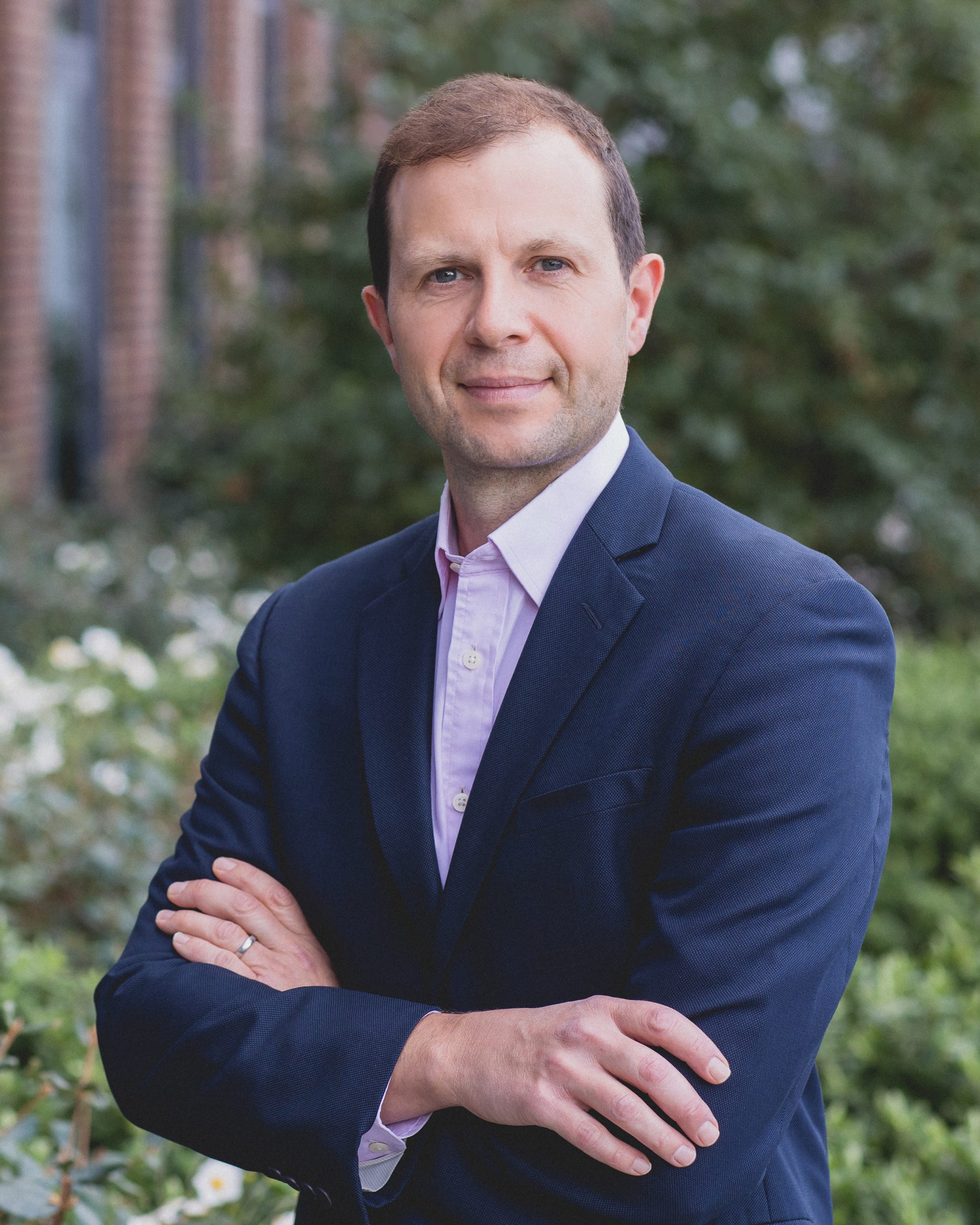
In this interview, John Laycock spoke to Dr Bo Kelestyn, Associate Professor at University of Warwick – Warwick Business School, about their shortlisted submission for International Collaboration of the Year.
For Ukrainian veterans returning from the front line, the desire to serve their country often continues long after military service. Some want to return to their previous careers. Others feel compelled to take a different path, bringing their experience into public life and helping to shape Ukraine’s future. The Chesno-University of Warwick’s Veteran Leadership Programme was created to support that ambition.
For Programme’s Academic Director Dr Bo Kelestyn, the work is deeply personal. Born and raised in Ukraine, she has lived in the UK for 19 years. When the full-scale war began, she wanted to build lasting relationships between the two countries. Early conversations with Warwick colleagues reinforced the importance of committing to Ukraine for the long term.
Her initial work on educational leadership helped establish connections that led to a partnership with Ukrainian civic organisation Chesno (meaning ‘fair’ or ‘honest’ in Ukrainian). Its team, led by CEO Dr Vita Dumanska, started supporting veterans who wanted to contribute to politics and civic leadership, but wanted support to take that next step. Many had interrupted civilian careers to fight and were returning with a changed sense of what they wanted to do.
Kelestyn sees the programme as an opportunity to honour their sacrifices while supporting Ukraine’s democracy and self-determination. It also gives Warwick a practical way to contribute through its teaching, networks and ability to bring people together.
A partnership built on mutual learning
Warwick’s contribution extends beyond the classroom. Its reputation helps attract speakers and connect participants with UK veterans who have moved into politics or other forms of public service. Warwick Business School’s support for the charity Heropreneurs, alongside its experience of welcoming armed forces personnel and veterans onto its MBA programmes, provides valuable understanding of the community.
The campus matters too. Participants value the chance to run, swim and spend time in a setting that feels safe and welcoming. Kelestyn credits the many Warwick colleagues and teams with making those everyday details work. Feedback repeatedly highlights the sense of community and the reassurance that people in the UK still care about their experiences.
The teaching is founded on an equal relationship. “From day one, we really wanted this to be an equal partnership,” Kelestyn says. “We’re learning from each other.” Speakers are encouraged to discuss weaknesses in the UK system as openly as its successes, giving participants space to consider what might work in Ukraine and what needs adapting, and how the UK in turn can learn from Ukraine’s experience.
Delivering a programme during war
Although English proficiency is a significant barrier, because participants need to sustain their engagement throughout an intensive week, demand is considerable. Kelestyn reports more than 340 applications for 15 places in 2026. Travel adds further uncertainty: two intended participants were unable to leave Ukraine this year, while others faced long journeys complicated by injuries, mobility needs, and continuous air raids on transport infrastructure.
The experience has also prompted reflection on the programme’s pace. Kelestyn acknowledges that the timetable became too full. The intensity of the programme left less space for meaningful reflection. Speaking to the cohort about their physical and mental health needs, she would like additional time in a future programme so that more discussion and sharing can sit more comfortably alongside the teaching.
Learning that reaches beyond Warwick
The clearest evidence of the programme’s value comes from what participants do afterwards. Kelestyn describes Taras, a member of the first cohort, who was particularly inspired by a session exploring possible future life paths. It offered space to consider ambitions and alternatives after military service.
He stayed in touch with the Warwick Business School colleague who taught it and developed materials to deliver similar sessions in Ukraine. Adapting the approach to his own experience and style, he shared it across veteran communities. Kelestyn says he has since moved into a new role focused on veterans and has been selected to lecture on a veteran programme at the Ukrainian Catholic University, one of Ukraine’s top universities.
Another participant, Dara, drew on design thinking and human-centred innovation to develop her facilitation practice and run creative workshops with veterans. Kelestyn also reports participants using these approaches in Ukraine’s Ministry of Defence, placing greater emphasis on understanding people’s experiences before making decisions.
These are early examples, and she is careful about claiming long-term results. The continuing war disrupts participants’ lives and work. Even so, the stories suggest how a short period of learning can spread when people take an approach home, adapt it and share it with others.
Working with the cohorts has affected Kelestyn profoundly. Participants have included veterans freed from Russian captivity and those living with serious war-related injuries. One received news of a fellow soldier’s death while attending the programme. Their experiences stay with her long after the week ends and change how she views the pressures of everyday university life.
Building a lasting community
The ambition now is to sustain the relationships already formed and give the programme a more permanent home. Chesno is bringing the two cohorts together in Ukraine, helping maintain a community that participants regard as one of the experience’s most valuable features. Kelestyn and Dumanska hope to run a third programme in September 2027.
That ambition depends heavily on the goodwill of colleagues and guest speakers, many of whom contribute their time free of charge. Recognition, including consideration for the Times Higher Education International Collaboration of the Year award, helps bring attention to the work and acknowledge the people behind it. “These awards are really a lifeline for projects like that,” she says.
For Kelestyn, the work provides a way to contribute to her country’s future. For Warwick, it demonstrates how a university can support people whose leadership ambitions emerge from extraordinary circumstances. Its lasting value will be found in the communities those veterans serve, and in the relationships that continue after they leave campus.
We’re looking forward to celebrating the achievements and successes of higher education institutions across all the awards next month, and recognising the fantastic work taking place across the sector. To see the full shortlist of the THE Awards, visit their website at https://the-awards.co.uk/2026/en/page/shortlist.