

24 April 2026
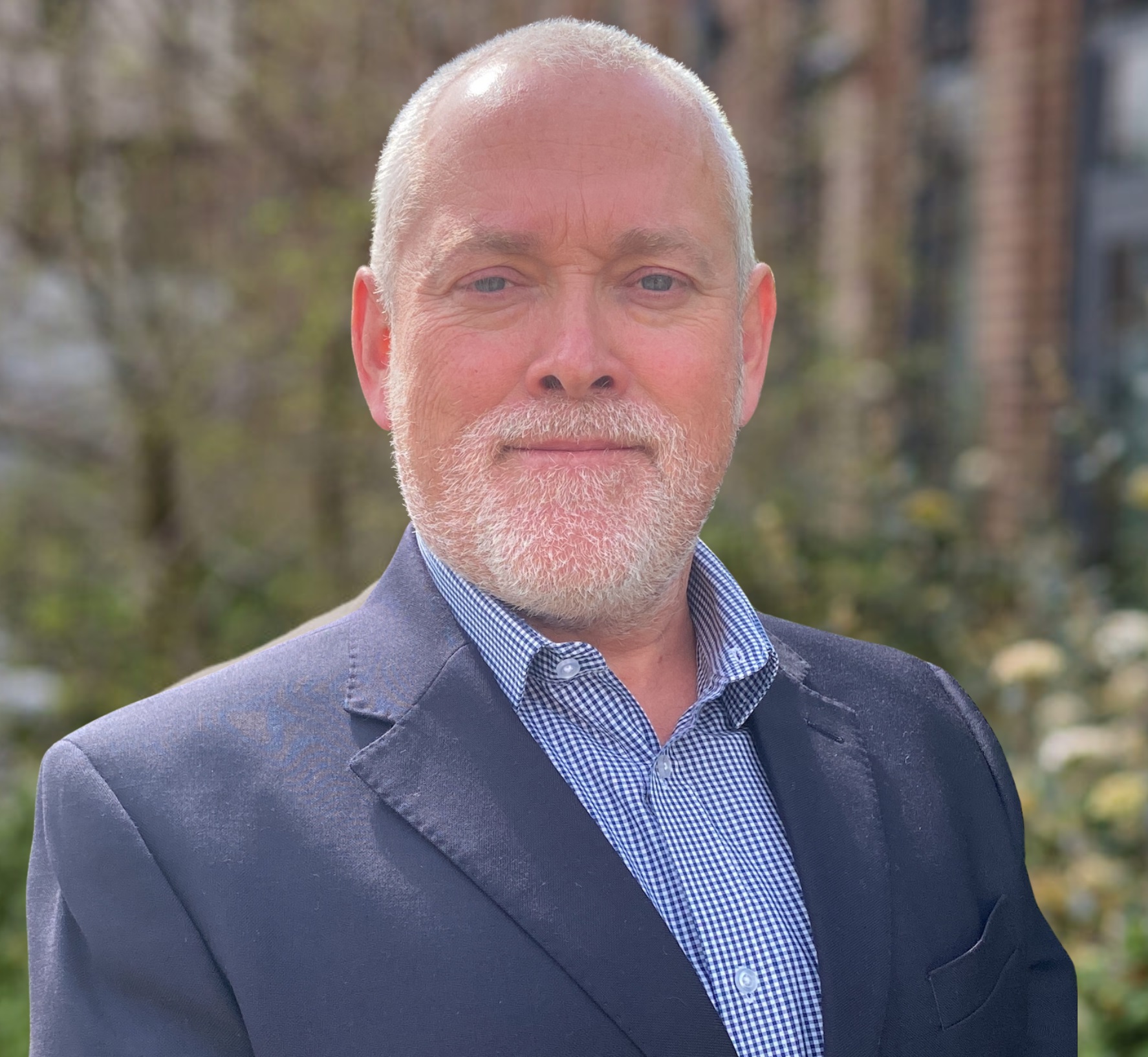
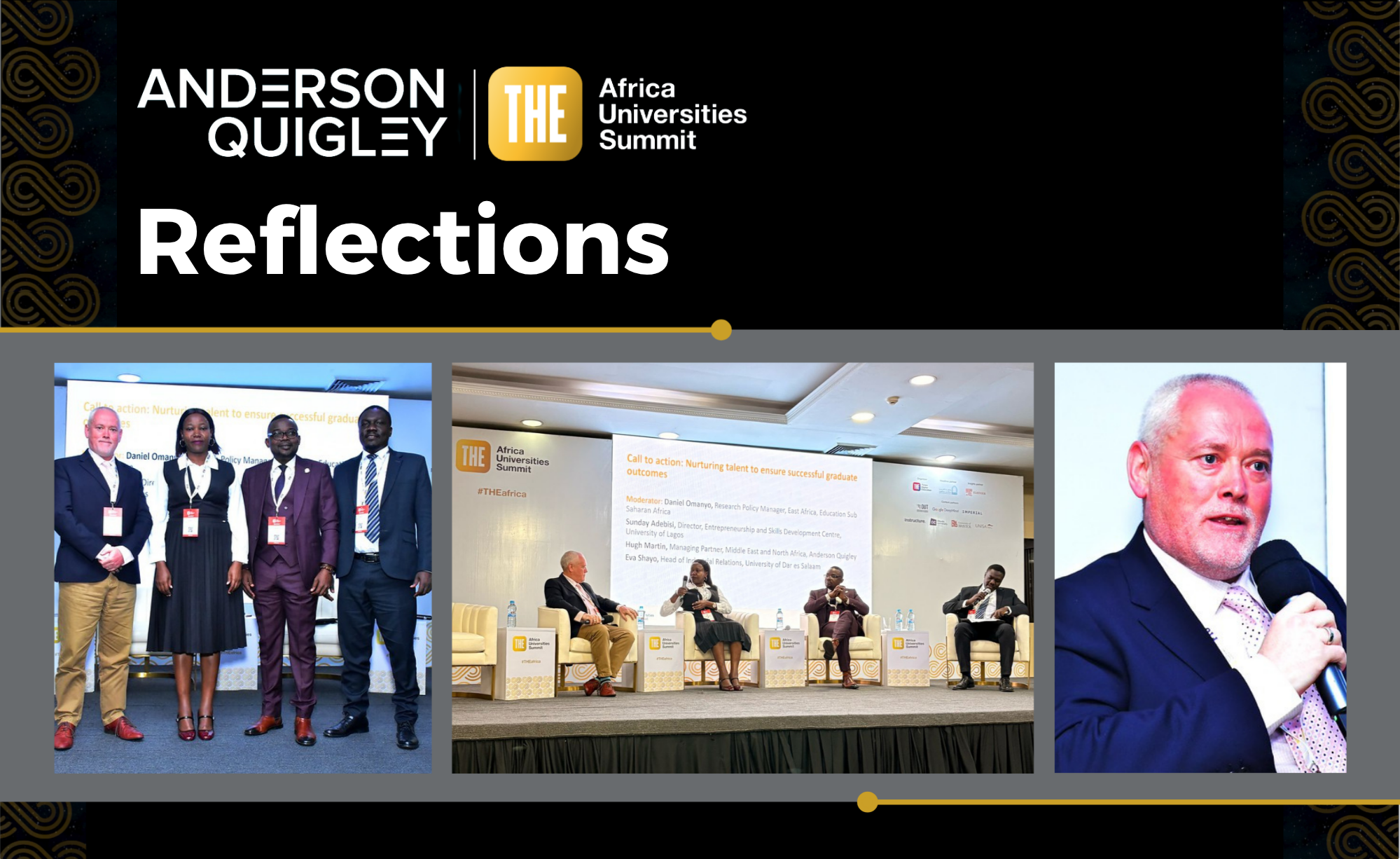
Hugh Martin recently had the privilege of speaking at the Times Higher Education Africa Universities Summit 2026 in the Kenyatta International Convention Centre, Nairobi. The theme of the summit was ‘Powering Africa’s future through talent development, innovation and inclusion’, and Hugh joined experts from Kenya, Tanzania, and Nigeria to discuss ‘Nurturing talent to ensure successful graduate outcomes’. Below he reflects on his time at the conference.
I’ve been lucky to participate in many THE events across the world, but the summit in Nairobi was not to be missed: over 350 attendees; more than 150 universities and organisations; and at least 80 speakers. I was energised, engaged, enthused, inspired, irritated, frustrated, even angered by some of the debate. Surely that’s what you want from a lively, tuned-in conference.
The three weeks that have passed since the summit have given me time, with the Easter break, to look back not just at what we heard, engaged with and learned from, but also on the period which those of us based in the Middle East are – we hope – soon to emerge from.
I am proud to say I am from the UK; I’m also proud to call both the UAE and Kenya home.
I was able – just – to make it to Nairobi the day before the summit, after all my booked flights had been cancelled. I left a country being (by most reasonable people’s accounts) unjustifiably targeted by missiles and drones because of someone else’s war, to arrive in a continent whose education sector (also by most reasonable people’s accounts) has been variously overlooked, pigeonholed, denigrated, patronised, condescended to, stigmatised, and shoehorned into the narrowest of definitions because of someone else’s world politic and/or commercial viewpoint.
For ‘someone else’ in my latter point, read the Global North. I’ve written before in the THE and for AHUA about the WEIRD* hegemony and how it applies to countries in the Middle East and South Asia where I’ve been working. Now perhaps I can share my admittedly westernised upbringing from an African perspective: the imperative, moral and real, for those in the western or Global North education sector to widen their viewpoints, take in different perspectives, and, bluntly, pull their heads out of the sand.
*Western, educated, industrial, rich and democratic, from Henrich J, Heine SJ, and Norenzayan A
At this point, I want to acknowledge my good friend, Professor Abdullah Elias, Director of Rankings, Strategy and Institutional Advancement at Prince Sattam Bin Abdulaziz University, which sponsored the recent summit. In his welcome remarks opening the agenda, Abdul hit upon a vital point when it comes to how we need to reassess and readdress our ongoing dialogues, relationships, and partnerships with the education sector in Africa:
“Let me be candid: the Global South does not need more ‘help’. It needs more trust, more fairness, and more spaces where knowledge is co‑produced rather than extracted. Too often, the world treats some regions as laboratories and others as publishers; some as data sources and others as data owners. That is not partnership; that is supply‑chain thinking.”
I don’t think many of us could have put it better, or focused our attention more keenly on the motivation, decisions and actions we must take from conferences like these, rather than just the usual platitudes and promises that too often are today’s LinkedIn posts and tomorrow’s fish & chip papers.
Of course, we must acknowledge and accept in any of our discussions that abbreviating such a massive and diverse continent into the shorthand of ‘Africa’ is unhelpful, but we work with what we have (and others far more erudite and informed than I have expounded more clearly and helpfully on this problem of definitions).
But nevertheless, in our world of education Africa presents so many opportunities for genuine conversations, real hand-in-hand partnerships, and robust growth and expansion on a truly equal basis. As long as we come to the table with that recognition of equality, with no preconceptions, grudges and baggage, and with an openness to wait before speaking.
For executive search firms like Anderson Quigley, the key word to accompany ‘trust’ and ‘fairness’ is ‘support’. We don’t have all the answers, and we can’t possibly – as no one can realistically – “know” Africa, but we can sit down with school, college and university leaders across the continent to listen, question, share insights and challenge ideas; recruiters are at their best when they listen first and act after. It seems to me that across the piece there’s not been anywhere near enough listening to educators in Africa. (And personally I would add: to African educators in Africa.)
The most effective search firms bring the widest choices irrespective of nationality, and the best candidates who weren’t necessarily even looking for their next role. So now it’s about time those of us in education recruitment stepped up and supported: by broadcasting far and wide the real and exciting opportunities across Africa, in its many, many education institutions from every angle, colour, creed, culture, language, specialism, campus, curriculum, and everything else in the panoply that is this amazing continent.
Hugh Martin is Managing Partner MENA for Anderson Quigley. He can be contacted on hugh.martin@andersonquigley.com and at https://www.linkedin.com/in/hugh-martin/.

13 October 2026

8 October 2026


6 October 2026