

27 February 2026
Originally featured in School Management Plus
Independent sector upheaval is not a passing storm but a structural reset
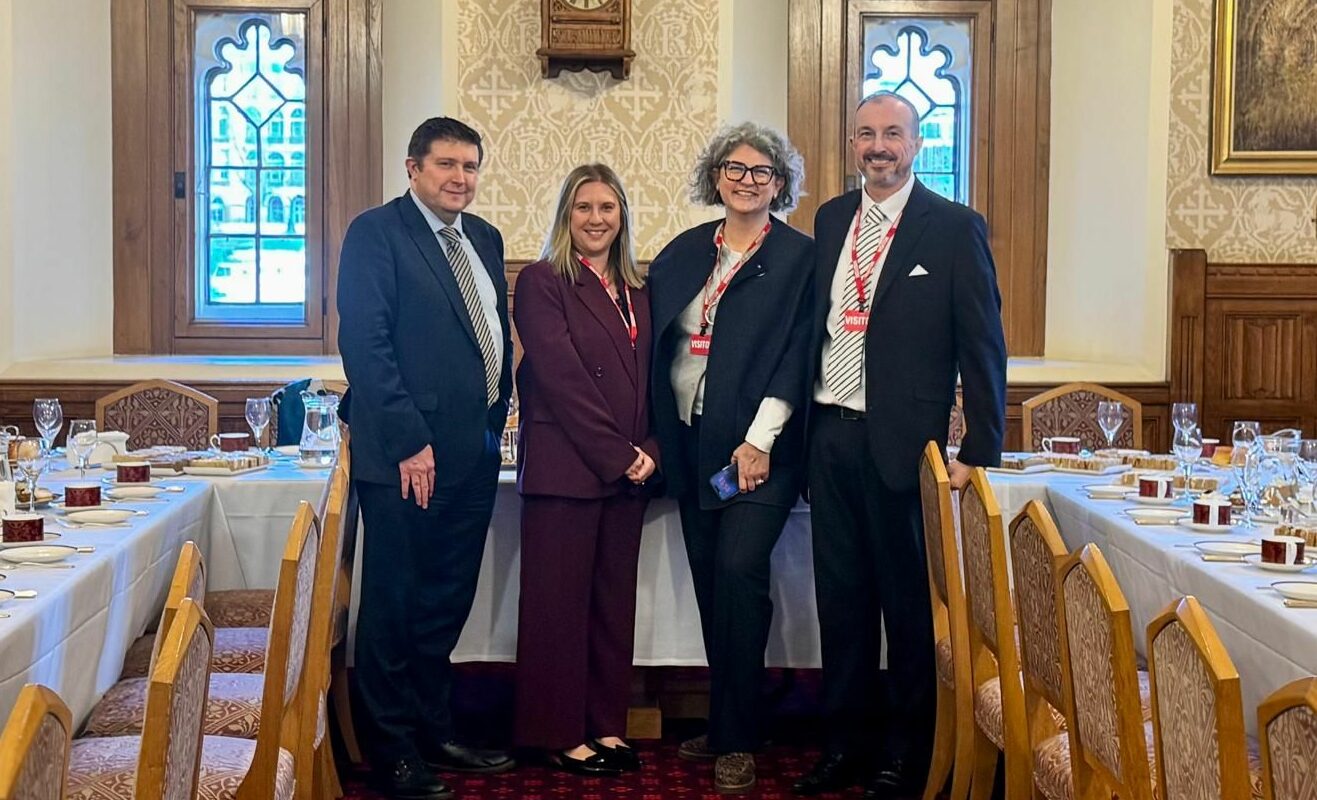
I was lucky enough recently to co-host a fascinating event at the House of Lords on the future of the independent schools sector.
A range of key figures in the world of independent education, management and governance had gathered to debate where the sector currently stands and where it will go next.
Brilliantly hosted by former MP Andrew Lewer and my colleague Helene Usherwood, and sponsored by Baroness Amanda Spielman, the Anderson Quigley event combined strategic insights with open contributions from heads and governors.
I found the tone in the room clear-eyed. And the message sharper still: This is not a passing storm. It is a structural reset and not a waiting game.
A sector under structural pressure
Not only have schools been hit by taxation and policy change but the deeper forces reshaping independent education are demographic and economic.
This is not a short-term dip in demand. It is a new operating environment.
The deeper forces reshaping independent education are demographic and economic.
Schools that assume a return to previous enrolment patterns may be planning against a reality that no longer exists. Reputation alone is not insulation. History is not a strategy.
The environment now demands sharper modelling, stronger positioning and braver leadership.
Why the sector still matters
In her opening remarks, Baroness Spielman set out a robust case for independent education’s continued relevance.
First, plurality matters. In a predominantly state-funded system, independent schools preserve diversity of provision and create space for innovation.
Second, quality requires discipline. Sustained excellence in teaching and learning depends on intentional leadership and rigorous governance. Independence does not guarantee standards; leadership does.
Third, the long-term health of the UK’s education system depends on a confident and high-performing independent sector; one that contributes locally, nationally and internationally.
Independent schools preserve diversity of provision and create space for innovation.
The sector’s future legitimacy will rest on performance and public value, not precedent.
Consolidation is coming – but on whose terms?
Duncan Murphy, sector advisor, drew a critical distinction between two types of consolidation:
The prep market has already seen significant restructuring. More change is likely, including increased collaboration at senior level, federated models and group structures.
The question is not whether consolidation will continue. The question is whether schools explore partnership proactively or wait until financial pressure narrows their options. Acting early preserves choice. Acting late reduces it.
Governance: The ultimate risk lever
One theme dominated the afternoon: governance.
Schools rarely struggle because of one external shock alone. More often, challenges escalate when governance structures have not evolved alongside market conditions.
Boards now require:
Regular governance reviews should be a norm, not a response to crisis. Executive and non-executive appointments are strategic levers, not procedural tasks. If governance is static, risk is compounding.
Collaboration and public value
The discussion also highlighted growing collaboration between independent and state schools from multi-academy trust involvement to SEND partnerships and expanded bursary provision.
The sector must articulate its value with greater clarity.
These developments are not cosmetic. They reflect a shifting landscape in which boundaries are softening and contribution to local ecosystems matters more than ever.
At the same time, the sector must articulate its value with greater clarity. Data, transparency and collective voice are no longer optional. They are essential to maintaining trust and relevance.
The leadership moment
Independent education is not in decline. But it is at a decision point.
This is a moment that calls for:
Waiting is not neutral. It is a choice and increasingly a risky one. The discussion at the House of Lords made one thing unmistakably clear: the sector still has agency.
Independent education is not in decline. But it is at a decision point.
Independent education can retreat into defensiveness, or it can lead modernising governance, strengthening collaboration, articulating value confidently and shaping its own evolution.
The crossroads is here. The schools that act decisively now will not simply weather change, they will define what independent education becomes next.
The “British approach” to sustainable leadership recruitment | AQ
Hayley has supported the education sector for the last ten years, providing executive search and interim and consultancy solutions to Independent Schools, Academy Trusts, FE Colleges, and Universities. Her specialty is understanding the education sector and connecting talent that is passionate about providing high quality inclusive education. Hayley has built a track record with education leaders and helped many organisations identifying top talent.
Hayley has a passion for education, she is a governor for MAT working closely with the head and trust leaders to ensure excellent levels of education. She previously worked closely with England Rugby Schools to deliver inclusive sport in schools and has strong understanding of the curriculum.
You can email her at hayley.mintern@andersonquigley.com or connect with her on LinkedIn.