16 October 2026
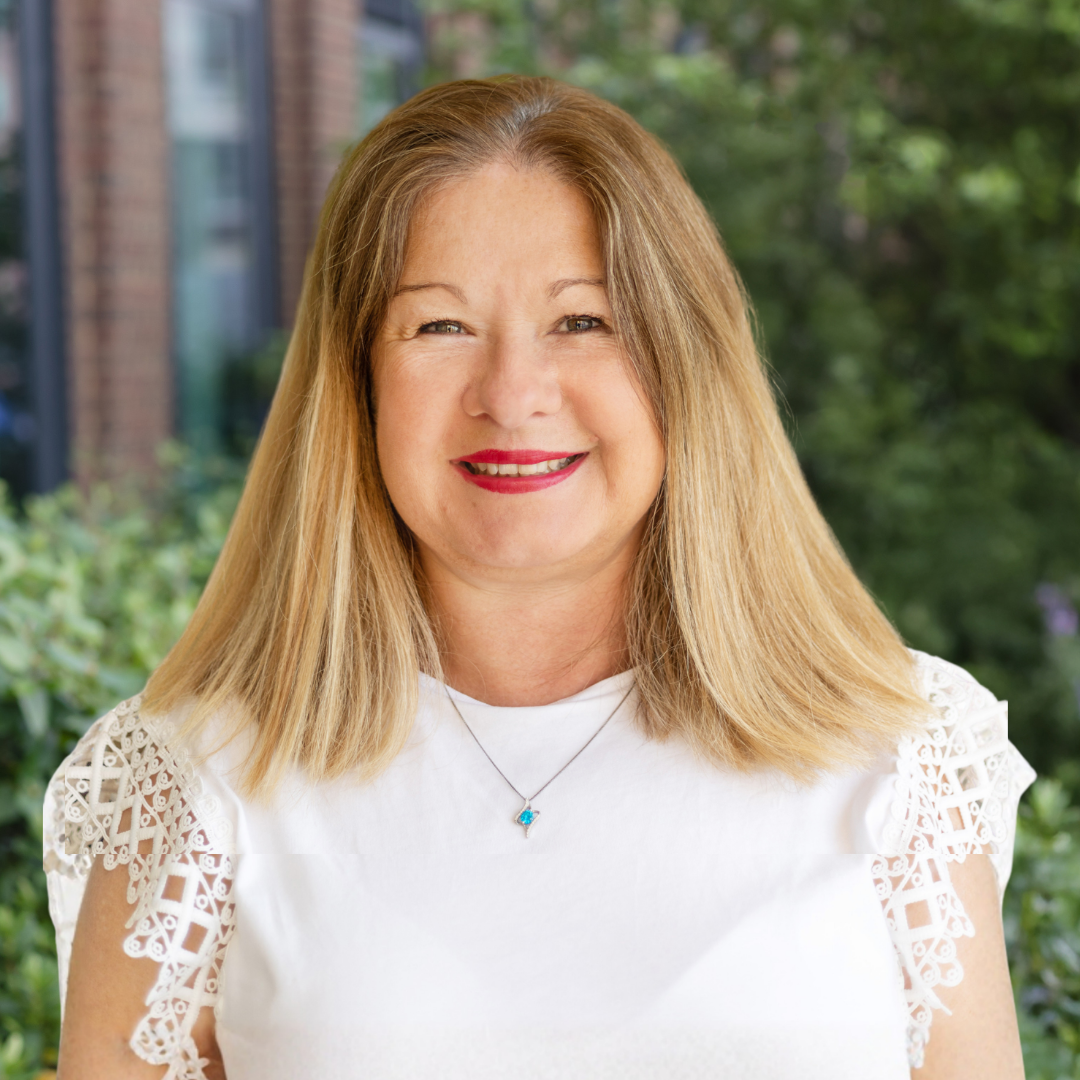
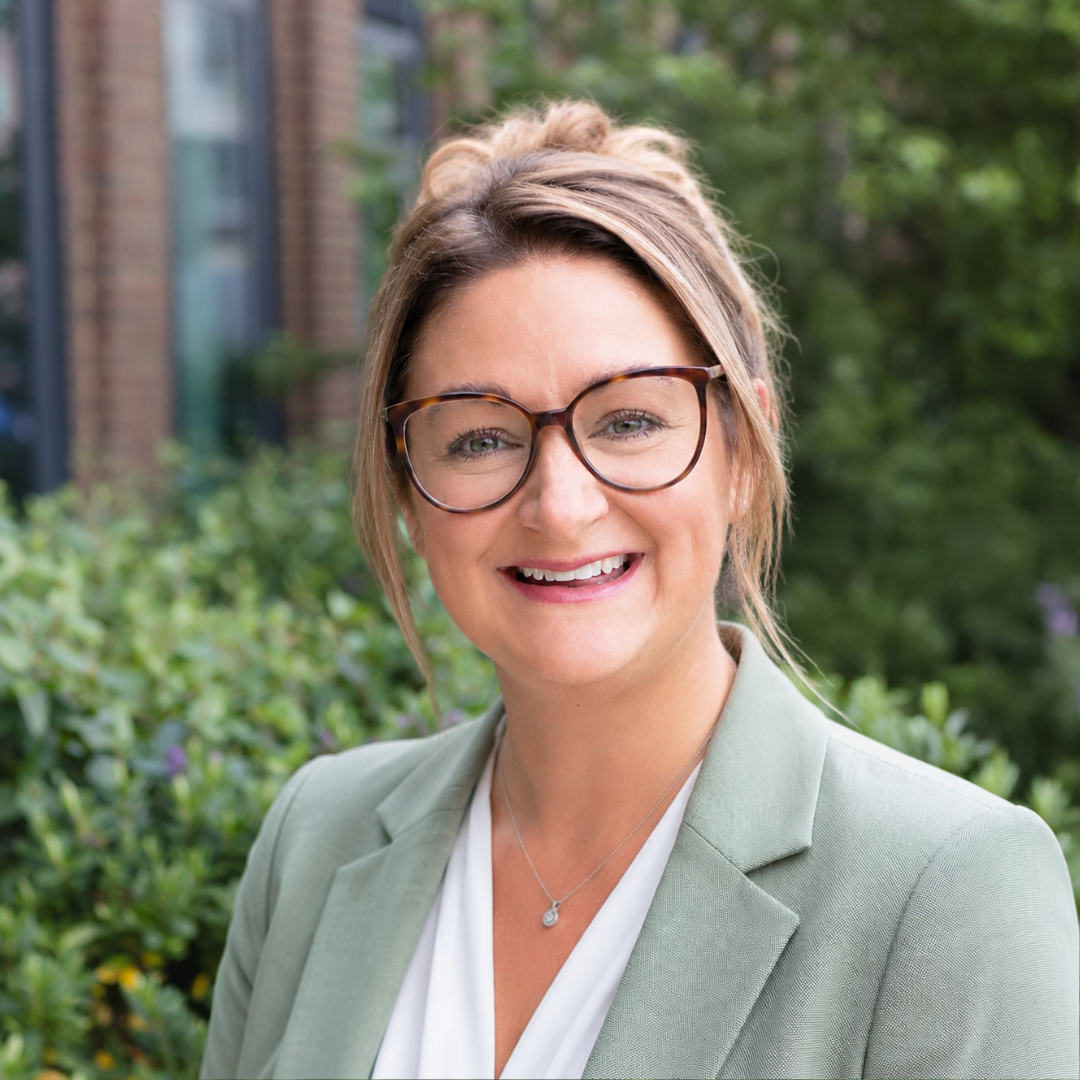
Ahead of the THE Awards on 26 November, our Partners have been speaking with those shortlisted for the AQ-sponsored awards, hearing the stories behind their submissions and learning more about the people, ideas and achievements making a real difference across higher education. It’s been a great opportunity to hear directly about their work and share the impact they’re having across the sector.
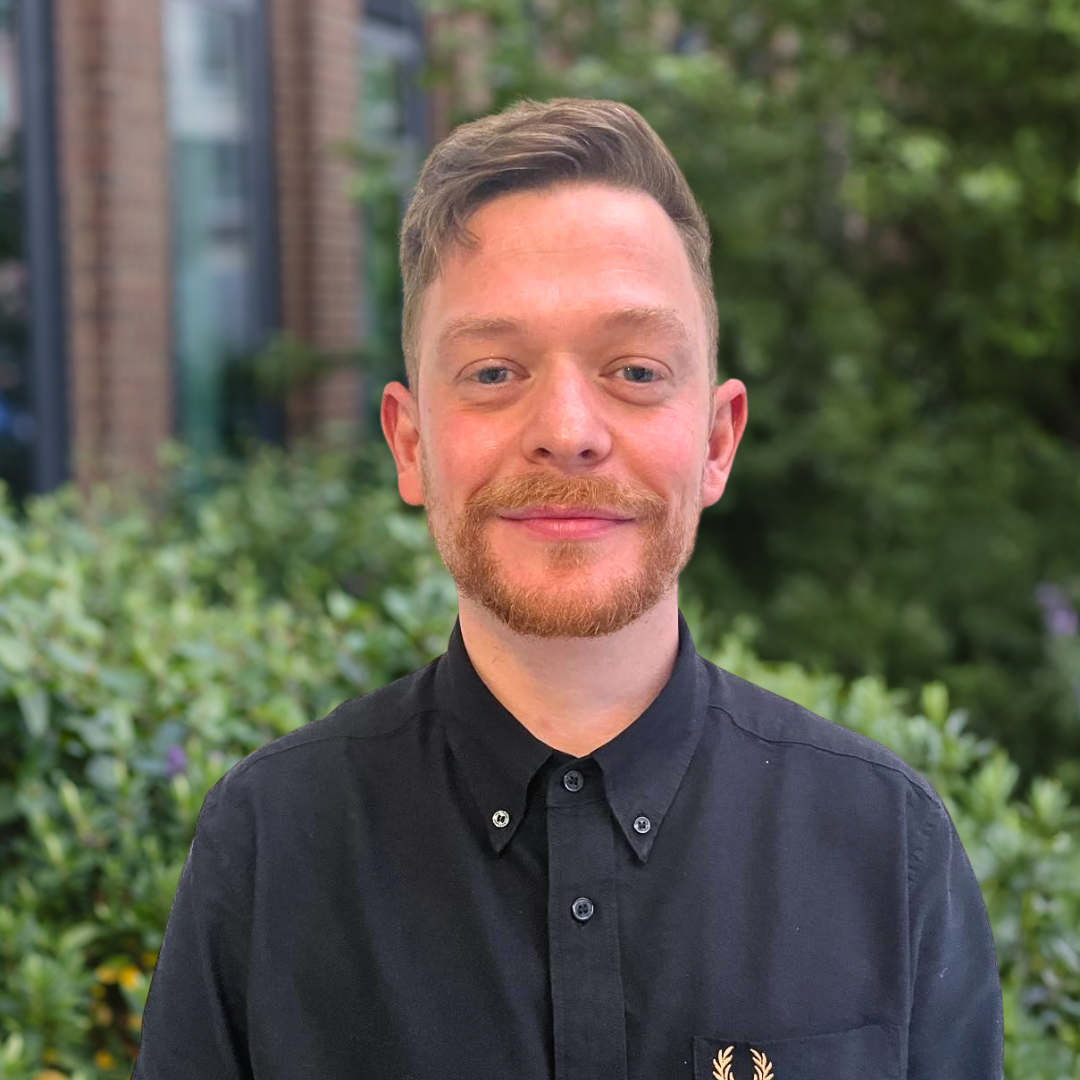
In this interview, Claire Lauder spoke to Dr Mark Price, Associate Professor and Professional Doctorate in Education at St Mary’s University, Twickenham, about their shortlisted submission for International Collaboration of the Year.
International partnerships in higher education can sometimes be viewed through a fairly straightforward lens: student recruitment, programme delivery, income and international growth. But the partnership between St Mary’s University, Twickenham and the Mauritius Institute of Education (MIE) offers a different model.
What began as a relationship around postgraduate education has developed into a much broader collaboration spanning research, doctoral education, academic development and institutional learning. At the heart of it is a simple idea: both institutions should benefit.
It started with a relationship
Mark has worked in higher education for more than 20 years and has always been interested in partnerships, particularly those that cross institutional, cultural and professional boundaries.
His relationship with MIE began during his time at another university, when he became involved in developing postgraduate opportunities in Mauritius. When the opportunity arose to establish a new relationship with St Mary’s, there was already something important in place: trust.
“The new partnership has come out of an existing contact. It wasn’t a cold call.”
That starting point helped create the conditions for something different. Rather than simply transferring a UK programme to another country, the two institutions wanted to develop something more collaborative.
For Mark, that distinction is crucial: “We could almost start from a clean slate, but we were working collaboratively very much as equal partners.”
The partnership has subsequently developed from a traditional model of delivery towards one where academics from both institutions contribute to programme design, supervision, research and professional development.
As Mark puts it: “It’s not a transactional partnership anymore. It’s much more transformative.”
Moving beyond the traditional international partnership
One of the most interesting aspects of the relationship is that St Mary’s is not simply asking what it can deliver to MIE. The question is also what St Mary’s can learn. Mark is conscious that international partnerships can become overly focused on market growth, particularly when universities are looking to increase international student numbers.
For him, the more interesting question is what happens when the relationship becomes genuinely reciprocal: “What does St Mary’s get from it? Not just financially, but more importantly, how does it affect our home students? How does working with an African country affect our sensibility? How do we learn together?”
That two-way learning has become one of the defining features of the partnership.
The relationship now involves a network of staff at both institutions who identify opportunities to work together. Some develop into formal projects, while others emerge from conversations between academics who discover a shared interest.
One example is work around teachers as readers and writers. An existing project in the UK led to conversations with colleagues in Mauritius about how teachers’ own reading and writing practices influence their teaching.
Other collaborations have emerged in areas including artificial intelligence in higher education, family ethics and educational practice. For Mark, this is where the partnership becomes particularly interesting: “My job now is trying to put people in touch with each other.”
Rather than beginning with a predetermined five-year plan, the partnership creates the relationships and space for new ideas to emerge.
The value of seeing your own institution differently
The benefits of that approach are not confined to Mauritius. Mark describes the partnership as a continual challenge to assumptions and established ways of thinking: “There’s something about how, if you go and stay in somebody else’s house for a bit, you go, ‘Blimey, I wouldn’t do it like that in my house.’ But then you think, ‘Well, that’s really good, the way they’re doing it.’ And you come back, and it makes you see your own place afresh.”
That is perhaps one of the most powerful aspects of the collaboration. The educational contexts in the UK and Mauritius are different, but that difference creates an opportunity to question practices that might otherwise be taken for granted. Mark describes the relationship as one where both partners challenge each other, sometimes quite directly: “It makes both of us think all the time. That thing about the collaborative nature is it challenges our taken-for-grantedness.”
From individual students to institutional change
The impact can also be seen at an individual level. Mark talks about one current doctoral student from Mauritius whose research is exploring the different roles people play in supporting children in schools, including teachers, teaching assistants, learning support staff and mentors. The research is helping to explore how those different roles interact and how schools can work more holistically to support children.
Importantly, the learning moves in both directions. The changing education system in Mauritius provides a different perspective on questions that are also being considered in the UK. The resulting conversations encourage both institutions to think differently about how education is organised and delivered.
For Mark, these individual relationships are central to the wider transformation: “There are so many examples of the individual people that I’ve worked with in a way that I see make a difference. And it is very humbling.”
Letting the partnership evolve
Perhaps surprisingly, one of the things Mark is most positive about is that not every idea works. The partnership generates plenty of possibilities, but only some develop into substantial projects: “We often come out with lots of really brilliant ideas. And out of 10 brilliant ideas, three of them take. That’s all right.”
That willingness to experiment without forcing every idea to succeed has allowed the relationship to remain agile. The partnership is now extending beyond MIE to involve other universities in Mauritius, creating new connections and opportunities for collaboration. Mark describes this as a kind of ripple effect: “The unexpected bit is the way that it leads to a kind of an extension of partnership. It’s like the ripple starts spreading out.”
There is, however, a balance to be struck. The more possibilities emerge, the greater the risk of chasing every opportunity. For Mark, the strength of the partnership comes from allowing it to grow organically while remaining conscious of what is genuinely possible.
So, what makes the partnership sustainable?
For Mark, the answer comes back to relationships: “What makes it sustainable is the levels of trust and understanding of each other’s situation.”
That trust has been built through spending time together, visiting each other’s institutions and developing a deeper understanding of the context in which each partner operates. It has also meant resisting the pressure to make the partnership grow as quickly as possible: “I’ve been able to argue for the case of slow growth, but also the one that’s based on where work best fits.”
Slower growth can create something more valuable in the long term: work that is more meaningful, more creative and more likely to last. Mark’s advice to other universities considering international partnerships is therefore relatively simple: “Look for where you’ve got those connections. And it might be through individual staff.”
Rather than starting with a market and asking how to enter it, he suggests starting with the relationships and expertise that already exist within the university: “Allow partnerships to grow out of that rather than looking at it from, ‘Here’s the market. We’ve now got to explore the market.’” It may not deliver massive growth in student numbers. But Mark believes it can deliver something deeper: “This kind of partnership is never going to lead to massive growth, but it leads to deeper learning and deeper transformation.”
And that, ultimately, is what makes the St Mary’s and MIE relationship distinctive: it is not simply about what one institution can provide to another. It is about what two institutions can learn, create and change together.
We’re looking forward to celebrating the achievements and successes of higher education institutions across all the awards next month, and recognising the fantastic work taking place across the sector. To see the full shortlist of the THE Awards, visit their website at https://the-awards.co.uk/2026/en/page/shortlist.