26 October 2026
Ahead of the THE Awards on 26 November, our Partners have been speaking with those shortlisted for the AQ-sponsored awards, hearing the stories behind their submissions and learning more about the people, ideas and achievements making a real difference across higher education. It’s been a great opportunity to hear directly about their work and share the impact they’re having across the sector.
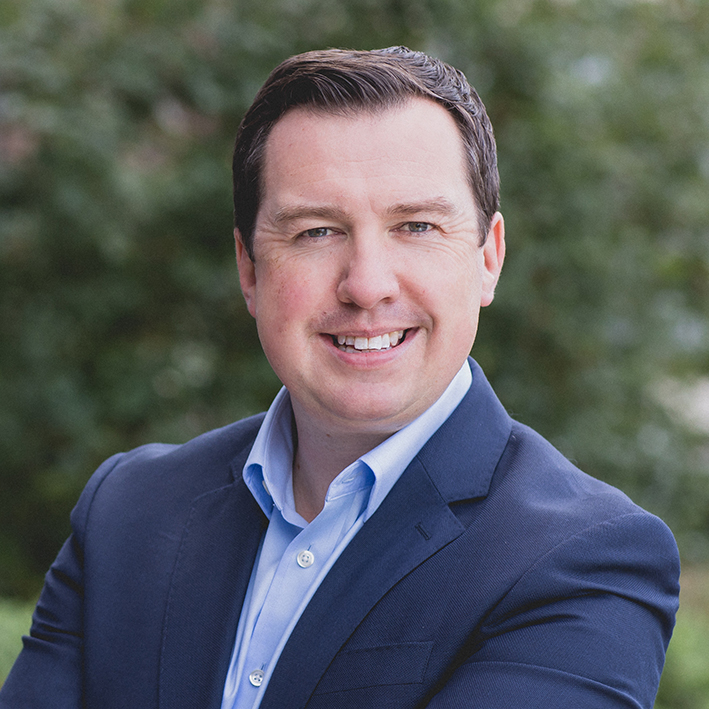
In this interview, Ed Pritchard spoke to Tom Gorman, Assistant Professor in Acting/Theatre at Coventry University, about their shortlisted submission for International Collaboration of the Year.
In a rehearsal room at Coventry University, students are throwing imaginary balls to fellow performers in Mallorca. They’re learning where to look, when to respond and how to work with the slight delay between the two spaces. Soon they’ll be rehearsing Shakespeare together, switching between English and Catalan, before meeting in person to put on a public performance. This is Shakespeare Remote, Coventry’s collaboration with L’Escola Superior d’Art Dramàtic de les Illes Balears (ESADIB).
For Tom Gorman, the rehearsal process quickly becomes familiar to the students. As he puts it, “It’s just that the other side of the room is another country.”
An experiment that kept developing
The project’s roots go back to a visit to Finland in 2015. Gorman had travelled to arrange an online lecture about acting in a foreign language. Over conversations with his hosts, a different idea emerged: they wanted to collaborate on Shakespeare.
Working out how took a year. Early plans involving laptops proved unsuitable for physical performance. The team eventually found themselves experimenting in a wind tunnel at Coventry, contending with echoes and a significant delay in the connection. Then a carefully positioned camera created the illusion of eye contact. Despite the difficulties, there was enough promise to keep going.
Successive collaborations helped the team refine both the technology and the experience. Gorman is candid that some worked better than others. The lesson he brought to the partnership with ESADIB was to agree from the outset what both institutions wanted students to gain.
“It’s really important that both partners agree to the same recipe, whatever that recipe is,” he says.
A shared rehearsal room
The current model combines two weeks of remote rehearsal with an intensive week together in person. Large-scale projection, carefully aligned cameras and sound create the sense of a continuous room. Screens sit directly on the floor, and the team works to match the lighting in both spaces.
Relationships begin before rehearsals do. Students receive scripts and casting information early, join introductory online sessions and use a shared WhatsApp group to exchange voice notes. Scene partners help each other with pronunciation. By the time they enter the rehearsal rooms, they’ve already started getting to know one another.
The language choices are central to the partnership. English and Catalan share the stage, and students on both sides perform in a second language. Gorman stresses that the desire to work on Shakespeare came from the Mallorcan partners. The resulting productions ask everyone to take a risk, including Coventry students performing Catalan to an audience that speaks it.
The project is unassessed, giving students room to experiment. Tutors deliberately set challenges without arriving with every answer. How do you rehearse the balcony scene when Romeo and Juliet are in different countries? Students explore what the camera makes possible, combining the intimacy of a close-up with the demands of stage performance.
From first flights to lasting friendships
For some Coventry students, the project involves their first flight or first experience abroad. Gorman describes the early questions about whether familiar food outlets will be available. Once students arrive and spend time with their new friends, those concerns tend to fall away as they discover local food and daily life.
The partnership now includes visits to Coventry, so both groups experience being hosts and visitors. Students have also travelled independently to help one another with final projects, staying with friends they’ve made through the collaboration. A graduate organising committee gives former participants a way to remain involved while making space for new students.
Affordability matters. Completing much of the rehearsal process remotely reduces the time students and staff need to spend overseas. Gorman says that, with support, the cost to participating students works out at around £250. It makes an intensive international experience more accessible than spending several weeks away.
A model others can adapt
Gorman is already preparing The Tempest for the next production. Each version takes substantial planning, including separate English and Catalan script edits followed by a combined version. His ambition is for others to adapt what the partnership has learnt, rather than simply increase its size.
The project shares practical guidance openly, including the small adjustments that make a rehearsal space work. Gorman is careful about claiming that the same technology will suit every discipline. It was designed for active rehearsal, and other subjects will have different needs.
That willingness to share the limits as well as the successes is part of the project’s value. For Coventry and ESADIB, the experience has developed through trial, reflection and a clear commitment to making something together.
“I don’t think we would be where we are if we hadn’t stumbled,” Gorman says.
We’re looking forward to celebrating the achievements and successes of higher education institutions across all the awards next month, and recognising the fantastic work taking place across the sector. To see the full shortlist of the THE Awards, visit their website at https://the-awards.co.uk/2026/en/page/shortlist