
18 February 2026
If I learned one thing from attending last week’s CIO UK&I event, it is that tomorrow’s tech leader is so much more than a technologist. They’re a communicator, a strategist, an ethical guardian (especially with AI) — and everything in between.
In the public sector, this complexity is amplified. Tech leaders are expected to deliver modern, secure, citizen‑centric digital services, often while working within tight budgets, increased scrutiny, and legacy environments. And despite this high expectation, the sector continues to face significant challenges in attracting and retaining top digital talent — from compensation gaps, to limited progression routes, to the relentless pace of technological change.
Against this backdrop, the skills required of today’s public sector tech leaders are broad — but which capabilities matter most will depend entirely on your organisation’s digital maturity and long‑term strategy.
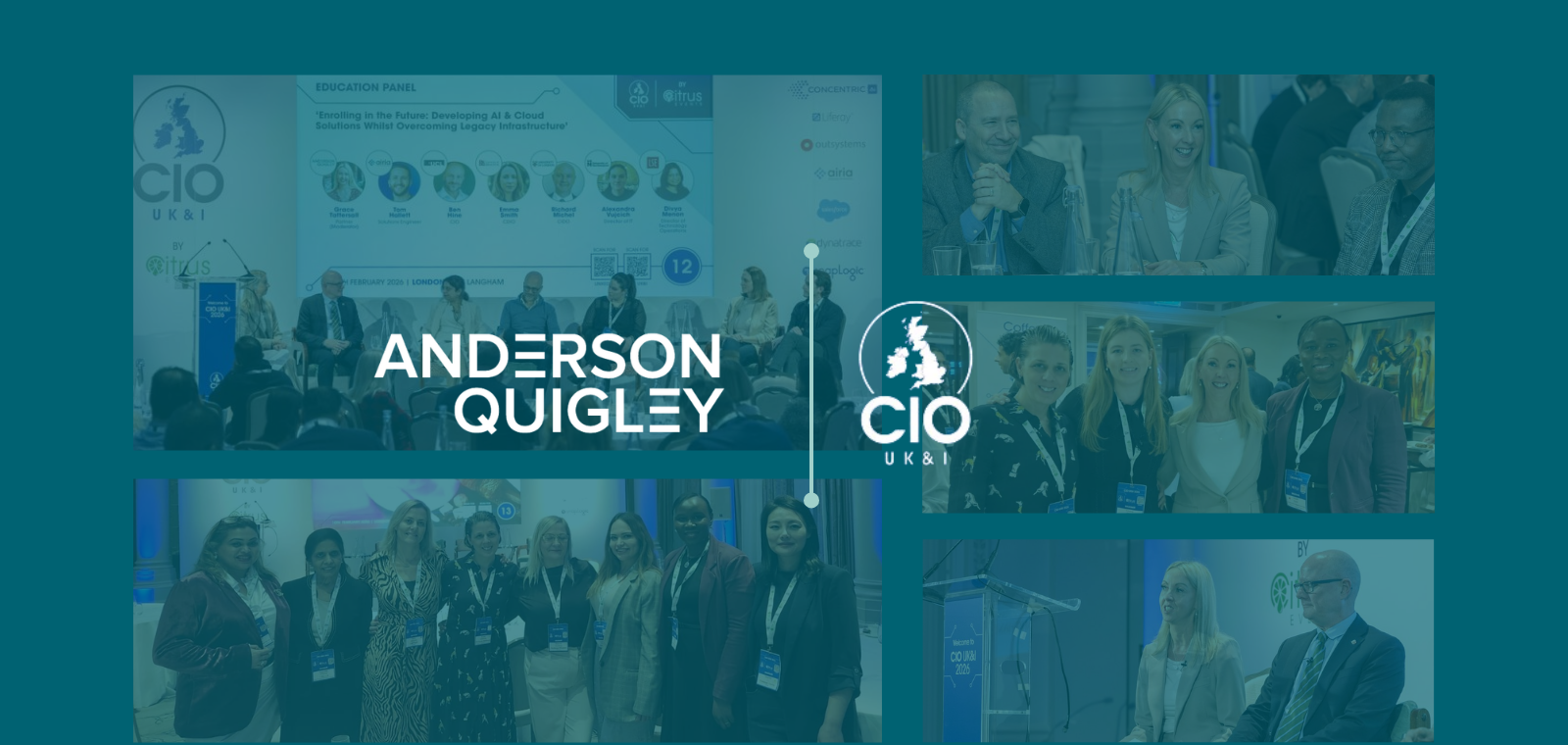
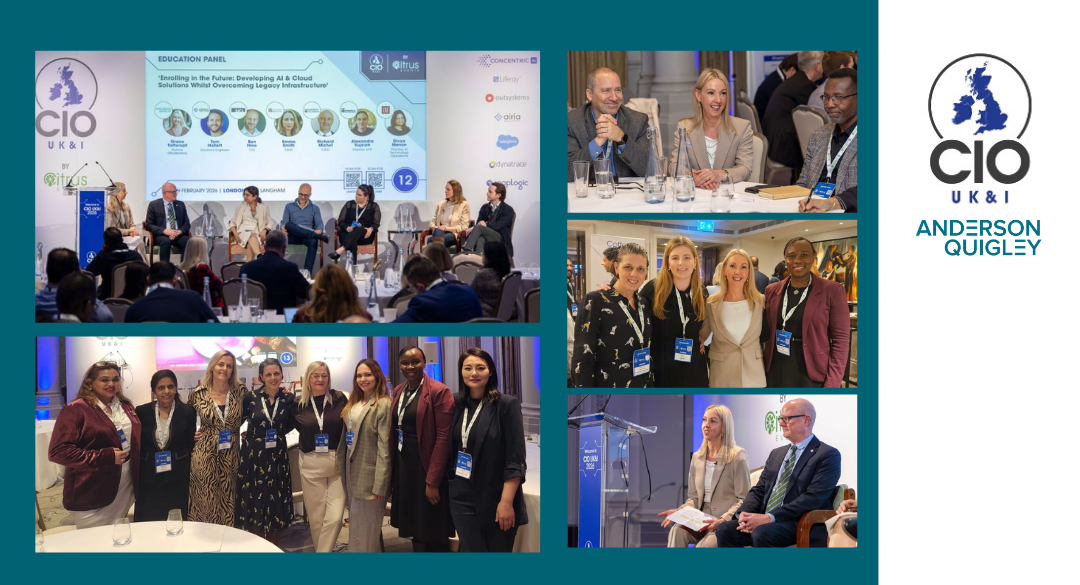
I was fortunate enough to moderate the Higher Education Panel, and our topic was “Enrolling in the Future: Developing AI & Cloud Solutions Whilst Overcoming Legacy Infrastructure” and we discussed how, given financial pressures, skills shortages, and significant technical debt across the sector — particularly around student record systems and legacy platforms — CIOs are prioritising modernisation, and the ways in which this is being achieved. We also discussed the fact that in exploring data strategies, AI, automation, and cloud solutions, we need to learn how to separate hype from real value, and how vendors can support and deliver for HE.
As part of the event, and new for this year, Citrus introduced a mid-day Circuit Breaker round table series, and I attended the roundtable “Zest for Retention: Keeping Your IT Teams Energised and Engaged,” it was expertly moderated by Naginder Dhanoa, and I took away some really interesting insights.
Here’s what stood out to me:
Other topics included “Don’t Let Legacy Leave a Sour Taste: CIO Approaches to Tech Debt” with one of our own Women in Tech moderating, Malvina Gooding. These topics were discussed in detail: Where’s the bottleneck? Which legacy accommodations are slowing innovation the most? Cost vs value — how do CIOs clearly demonstrate the ROI of addressing technical debt? And how do we future‑proof IT — what strategies keep estates flexible, resilient, and ready for what’s next?
The great thing about this event is its multi-sector, I enjoyed listening to the Retail Panel about Faster, Smarter, Cheaper: Navigating ROI and Digital Transformation which definitely rang a lot of bells in the audience regardless of the industry.
The challenges we face are sector agnostic and are not going to be resolved in the short term so we all need to explore the options we have and collaborate where possible.
We also had a keynote speaker from the British Film Institute, Jia Fu, their Head of Cyber Security, and she delivered an insightful talk called “Inside the Executive’s Mind: What They Care About and Where the Disconnect Happens”, about engaging with the board on cyber and delivering a cyber security strategy in an ever‑changing environment.
Finally we talked about the fact that as universities look outward more and more, to international partnerships, digital campuses, lifelong learning and new delivery models, and ultimately, how can CIOs lead transformation in highly hierarchical, risk-averse institutions, and bring both senior leadership and staff with them on that journey?
CIO Tech Leadership in the Age of Transformation | AQ
If you’re thinking about developing your own leadership capability, strengthening your digital teams in a competitive public sector market
and understanding which skills your next tech leader must bring, drop me a line at grace.tattersall@andersonquigley.com or connect with me on LinkedIn for a conversation about what great tech leadership looks like in today’s public sector environment.