5 February 2026
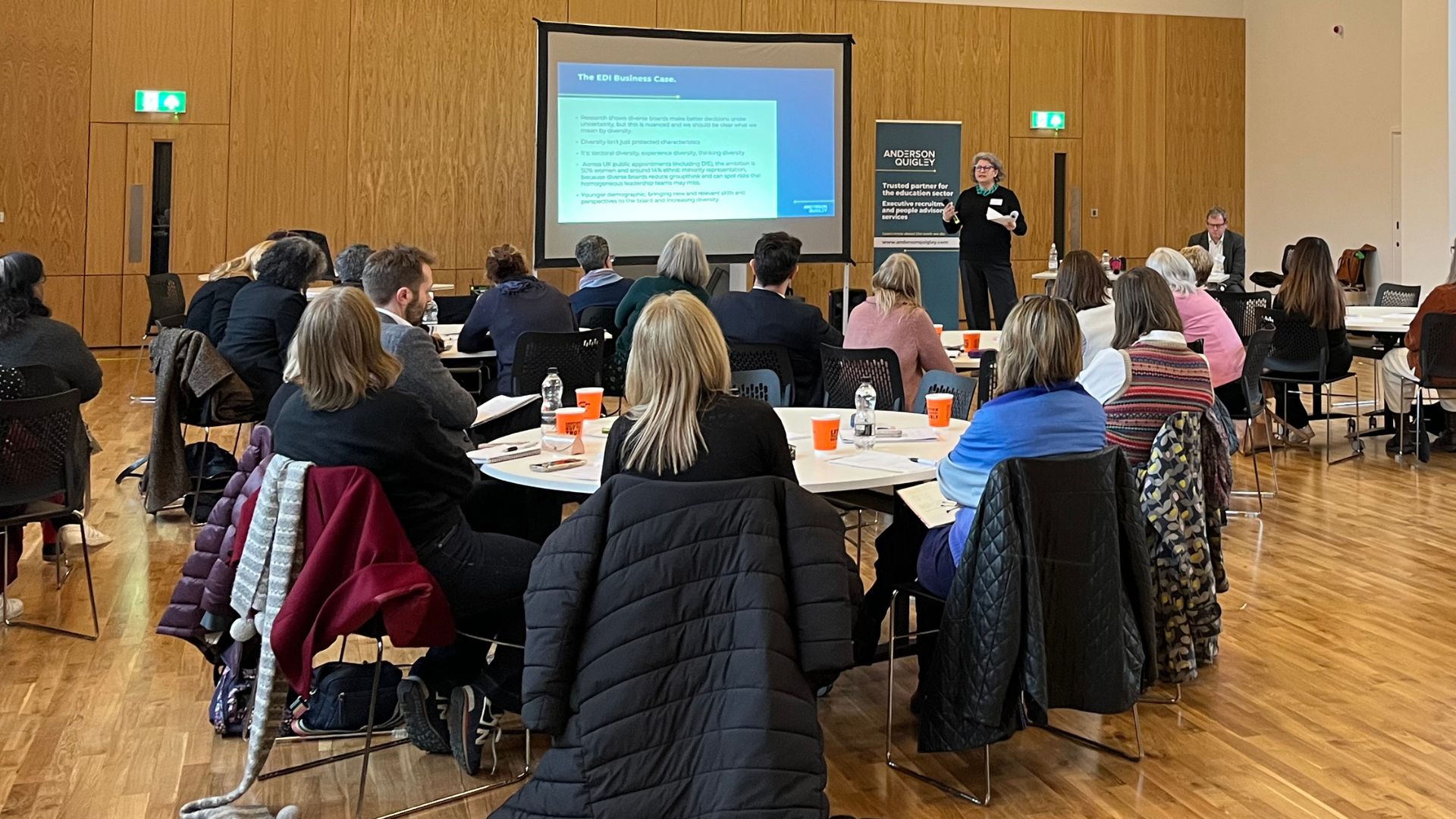
This week we held an interactive day at Morley College bringing together governance professionals from across the further education sector for focused discussions aimed at sharpening judgement, strengthening Boards, and widening professional networks.
The format was simple but effective: three key speaker slots, real case studies from inside and outside FE, structured discussion, and plenty of time for genuine connection and networking – a big thank you to Morley College for partnering and hosting the event with us!
The first speaker was Michael Davis, Chair of Capital City College Group and CEO of the National Centre for Social Research. He kicked off our morning session with a clear message that effective chairing starts with absolute clarity about what you want from your Board. Across every organisation, three fundamentals apply; ensuring the bases are covered, recognising that much of the hard work happens in committees, and building enough trust in those committees to avoid repetition at full Board level. That trust depends heavily on the quality of sub-committee chairs: playing to their strengths, bringing attention to detail, and driving the agenda forward.
He reinforced that strategy belongs to the executives, not the governors, but the Board’s role is to test it, challenge it, and apply a governance lens to delivery. Creating a safe space for open discussion, through workshops and purposeful time together, helps strengthen relationships and shape plans like the corporate strategy.
He also stressed the importance of being intentional in every interaction with governors: visits, informal conversations before and after meetings, and consistent communication all help sustain engagement. Chairs must guide discussions back on track when needed, staying mindful of Board diversity as a strength, and constantly asking, “What is the purpose, the outcome, and the ask?” With governors often volunteering their time, the chair must be deliberate, supportive, and crystal clear, making it easier for people to contribute meaningfully and ensuring every engagement respects the fact that their time and attention are being competed for.
Next, Giles Peel, Governance & Risk Specialist; Former Head of Governance Advisory Practice, DAC Beachcroft, took to the floor, a vastly experienced non-executive and governance adviser across financial services, insurance and health and with a senior leadership career in the NHS, Professional Services sector and Royal Navy.
He drew on his extensive experience across these sectors and roles to underline a simple but vital truth – good governance is never accidental. He explored the real challenges chairs face in balancing oversight with support, stressing the need for a clear separation between the chair’s role and executive leadership. Transparency, he argued, is essential; Boards function best when problems and risks are surfaced early, not hidden until they become crises.
He highlighted the importance of understanding and actively managing principal risks, supported by consistent management information rather than fragmented reporting. Culture and incentivisation were recurring themes, with powerful examples; from whistleblowing failures in charities to corporate disasters such as Boeing and Carillion, showing how poor governance and misaligned incentives can lead to catastrophic outcomes regardless of your sector.
Giles’ message was ultimately about responsibility; Board members must remain informed, proactive, and willing to challenge when necessary, keeping an audit trail of decisions and objections to preserve accountability. Above all, governance depends on integrity, courage, and the willingness to speak up before it is too late.
Our final speaking slot was delivered by our own Helene Usherwood and Paul Aristides, who discussed Board recruitment, the importance of carefully considering the skills required by Board members, what diversity actually means, and what it can bring to your Board, and the importance of conducting Board reviews and succession planning.
This session introduced a series of breakout discussion groups, looking at co-optees & external advisers, succession planning, and retention of Board members, where each group then presented back their thought and insights for wider discussion. Key points shared from these sessions included:
Co-optees & External Advisers
Succession Planning
Retention of Board Members
We thank everyone who attended and contributed to the day, and we look forward to developing the next session based on the insights and feedback shared during the day.
If you’d like to discuss your Board recruitment, succession planning, governance reviews, or be informed about the next session, please contact Paul Aristides, FE lead at paul.aristides@andersonquigley.com or connect with him on LinkedIn, or Helene Usherwood, Governance lead, at helene.usherwood@andersonquigley.com or connect with her on LinkedIn.