19 October 2026
Ahead of the THE Arab Awards on 3 November, Hugh Martin has been speaking with those shortlisted for the AQ-sponsored Leadership and Management Team of the Year Award, hearing the stories behind their submissions and learning more about the people, ideas and achievements making a real difference across higher education. It’s been a great opportunity to hear directly about their work and share the impact they’re having across the sector.
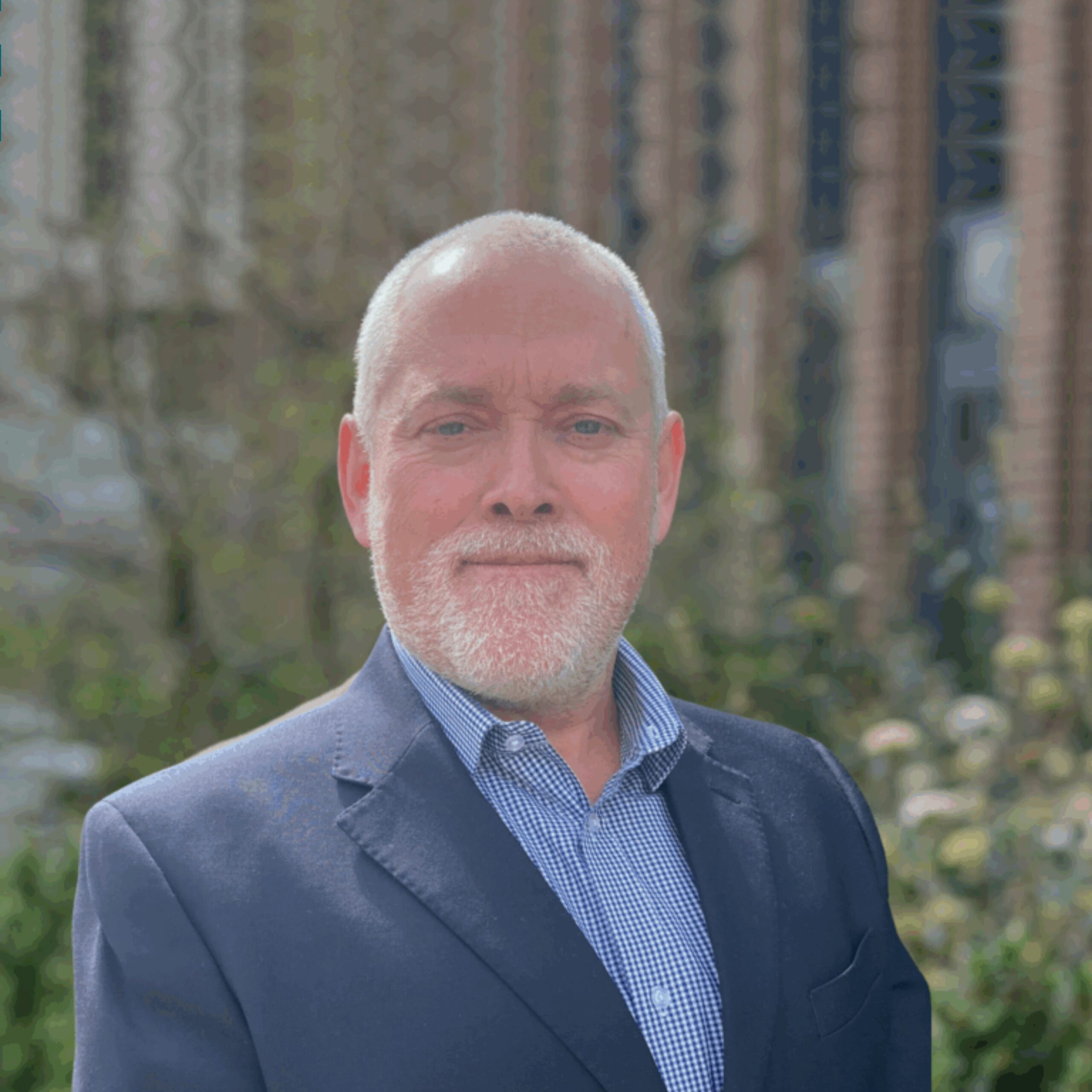
In this interview, Hugh spoke to Professor Ghassan Aouad, Chancellor of Abu Dhabi University, about their shortlisted submission.
For many university leaders, social media remains an optional extra, something to delegate to communications teams or fit around the demands of running an institution. For Professor Ghassan Aouad, Chancellor of Abu Dhabi University (ADU), it has become an important part of leadership itself.
Through regular LinkedIn posts, Aouad celebrates the achievements of colleagues and students, shares personal reflections and offers advice drawn from his own experiences. His approach is deliberately personal. He writes his own posts, often from the heart, and believes university leaders have a responsibility to make the work of their institutions visible.
It is an approach that has helped raise the profile of ADU while encouraging a wider culture of engagement across its community. But for Aouad, the motivation goes beyond visibility or reputation. It is about recognising people, sharing knowledge and demonstrating what leadership can look like in a changing world.
Leadership that celebrates others
Aouad’s commitment to thought leadership has developed alongside his engagement with Times Higher Education and its awards. Having followed THE’s work during his career in the UK, he recognised the value of its international reputation and its role in celebrating success across higher education.
For ADU, awards provide an opportunity to document achievements and share good practice, regardless of the outcome. The university has enjoyed success in recent years, including recognition for its leadership and management team.
Yet Aouad believes the real value lies in the process itself: creating a record of institutional progress that can be revisited and learned from in years to come.
This philosophy is reflected in his own use of LinkedIn. Rather than focusing primarily on his personal achievements, he regularly celebrates the work of colleagues, including those whose contributions might otherwise go unnoticed.
He points to the university’s growing number of Advance HE fellows, including principal fellows, as an example. As a fellow himself, he could have chosen to focus on his own professional standing. Instead, he makes a point of congratulating colleagues individually and sharing their achievements publicly.
For Aouad, this is a fundamental responsibility of leadership: recognising the achievements of others and taking genuine pride in their success.
He also believes senior leaders should be willing to show their human side. His posts sometimes reflect on his village in Lebanon, family life and lessons from everyday experiences. These personal stories sit alongside his reflections on leadership and higher education, creating a more authentic picture of the person behind the title.
This, he argues, is what distinguishes genuine thought leadership from institutional promotion. It needs to come from personal conviction and lived experience, rather than simply being produced on behalf of a leader.
From individual voice to institutional culture
Aouad’s LinkedIn journey began almost by accident. When he moved from Bahrain to Abu Dhabi in January 2023, he posted a brief message to let his professional network know about his new role and how to contact him.
The response was far greater than he expected, prompting him to recognise the platform’s potential to connect people and share information. He began posting more regularly about ADU, its people and its achievements.
What started as an individual activity has since become part of a broader institutional culture. Aouad points to the growing visibility of ADU colleagues, including academic leaders and staff, who are increasingly active on LinkedIn. He takes particular pleasure when their engagement surpasses his own.
This is important for the university’s long-term future. An institution’s public voice should not depend on one individual, however prominent. By encouraging others to share their work and perspectives, ADU is building a wider community of advocates whose contributions can continue beyond any one leader’s tenure.
Students are part of that picture, too. The university encourages them to engage with professional networks, share their achievements and learn from the experiences of others. Aouad believes LinkedIn can help students develop their professional identities, make connections and demonstrate their capabilities to potential employers.
He also sees opportunities for universities to share knowledge more openly with audiences beyond their own campuses. ADU has delivered free online sessions on subjects including leadership and succeeding in a PhD, attracting hundreds of participants from around the world.
The response to these sessions reinforced an important principle: universities can create meaningful impact by making their expertise accessible, rather than keeping it within their own institutions.
Staying connected to people
Despite his growing online presence, Aouad is clear that leadership cannot be conducted through social media alone.
His approach at ADU includes an open-door policy, regular visits to colleagues’ offices and town hall meetings with faculty, staff and students across its Abu Dhabi and Al Ain campuses. He also makes time for alumni activities and events, believing that leaders need to remain connected to the people and communities they serve.
He describes his approach as “peasant leadership”, a philosophy shaped by his rural upbringing and the simplicity of life in his Lebanese village. Away from the formality of university leadership, he returns to familiar surroundings, spending time with people who know him for who he is rather than for his professional title.
The same philosophy informs his leadership at ADU. He recalls advice from Professor Peter Barrett when he became a head of school: be soft on people, but tough on values, principles and performance.
For Aouad, this means treating colleagues with respect, dignity and empathy, while maintaining clear expectations and supporting people to improve when performance falls short.
It is a deliberately human approach to leadership in a sector where the demands of rankings, accreditation, regulation and performance indicators can sometimes overshadow the purpose of the institution itself.
That purpose, he argues, must remain the student experience. Universities exist to provide the best possible education and support to students whose families have entrusted them to the institution’s care. Research and academic reputation matter, but they should not displace that fundamental responsibility.
Finding the balance in a changing profession
Aouad recognises that not every academic or university leader has the time or inclination to maintain an active public profile. Career stage, research commitments, teaching and personal responsibilities all influence what is possible.
Early-career academics, he advises, should focus on establishing themselves through research, publications, teaching and other professional activities. As careers develop, leadership and wider institutional responsibilities may become more prominent. Later, some individuals may have greater freedom to share their experiences and contribute to the wider academic community.
The important point is not that everyone should follow the same path, but that leaders should recognise the value of sharing what they know.
Authenticity is central to this. Aouad does not claim to have a formula for thought leadership, nor does he suggest every post needs to be carefully planned. Many of his ideas come from observing everyday life and reflecting on what those experiences can teach others.
However, he acknowledges that public communication requires judgement, particularly in an international environment. Universities need to create cultures that encourage creativity and open discussion while ensuring that colleagues understand the responsibilities that come with representing themselves and their institutions publicly.
The challenge is to encourage participation without making it feel manufactured or removing the personal voice that makes it valuable.
Preparing universities for the next generation
For Aouad, the need for authentic, visible leadership is becoming more pressing as higher education faces profound changes.
Students entering universities today have experienced the pandemic, geopolitical instability, climate concerns and the rapid development of artificial intelligence. Their expectations of education, work and institutional life are evolving, and universities cannot assume that traditional models will continue to meet their needs.
ADU’s strategic vision to 2032 reflects this changing landscape, with an emphasis on flexibility, adaptability and understanding the needs of a new generation of learners.
Aouad believes universities will need to rethink how programmes are delivered, how students accumulate qualifications and how institutions support their mental health and wellbeing. He also expects the relationship between universities, employers and society to become increasingly important.
Success, in his view, should not be measured only through publications, citations and rankings. Universities should also seek to understand their wider social and economic impact: the jobs they help create, the businesses that emerge from their work and the opportunities they generate for their communities.
This future also makes the humanities increasingly important. While recognising the significance of science, technology, engineering and mathematics, Aouad argues that education must develop the human qualities that complement technological progress.
Critical thinking, creativity, cultural and social intelligence, judgement and wisdom will all matter in a world increasingly shaped by AI. Universities must ensure that technological capability is balanced by the human understanding needed to use it responsibly.
For Aouad, this is another reason why universities should share knowledge, encourage discussion and make their leaders more accessible. Thought leadership is not simply about promoting an institution; it is about contributing to the conversations that will shape its future.
Building a legacy beyond one leader
Aouad’s experience at ADU demonstrates how an individual leader’s commitment to communication can help encourage wider engagement across a university. But the more significant achievement may be the culture that develops around it.
By celebrating colleagues, encouraging students to share their experiences and making expertise available to wider audiences, ADU is creating opportunities for more people to contribute to the institution’s public voice.
The objective is not to create another generation of leaders who simply post more frequently. It is to build a culture in which people feel their achievements are valued, their ideas are worth sharing and their knowledge can benefit others.
As higher education continues to change, that culture may prove as important as any individual communication strategy. Universities need leaders who can set direction, but they also need leaders who can connect with people, recognise talent and create the conditions in which others can succeed.
For Aouad, that is the essence of leadership: remaining grounded in people and purpose, while helping the institution and its community look confidently towards the future.
We’re looking forward to celebrating the achievements and successes of higher education institutions across all the awards next month, and recognising the fantastic work taking place across the sector. To see the full shortlist of the THE Arab Awards, visit their website at https://theawardsarabworld.com/2026/en/page/shortlist