

York St John University
Welcome and thank you for your interest in the roles of Head of School of Education, Language and Psychology and Head of School of Science, Technology and Health at York St John University.
These posts provide an opportunity to lead thriving and research active Schools that makes a real impact at a time of challenge and opportunity for our University, our sector and indeed the whole world.
For over 180 years, our institution has responded positively and proactively to the emerging needs of the communities we serve. Since our founding in 1841, our social justice mission has ensured students from every background are supported and inspired to reach their full potential.
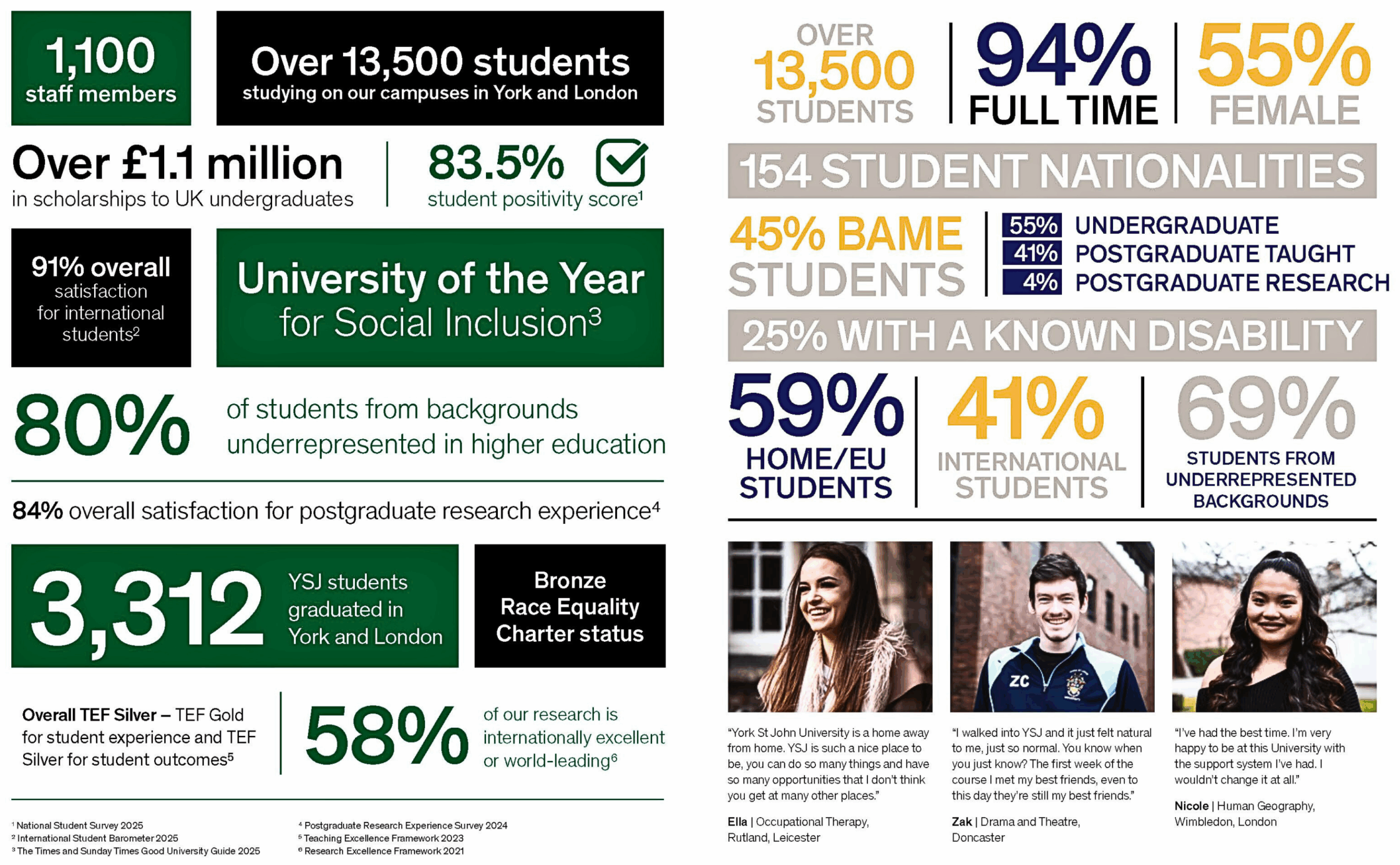
Originally a teacher training college for young people from local working families, today we welcome over 13,500 students and 1,100 staff from all over the world to our award-winning campuses in York and London.
Our Head of School of Education, Language and Psychology and Head of School of Science, Technology and Health will make their marks on shaping a new chapter in our story. Several years of growth, diversification and partnership development underpin a financially stable institution with people still firmly at its heart. Students and their outcomes are at the centre of everything we do – a commitment recognised by our The Times and Sunday Times accolade of University of the Year for Social Inclusion for 2025.
The efforts of the whole team have placed us on a positive trajectory– we achieved an overall positivity score of 83.5% in the latest National Student Survey (NSS). We are exceptionally proud to be TEF Gold for student experience, and Silver overall. Our focus on excellence has supported our upward trajectory on key quality parameters, including entry standards, continuation, outcomes, and progression. Applications to study at York St John from undergraduate and international students have grown year-on-year and we are building our research capacity after our best-ever REF outcome in 2022.
Underpinning these achievements, this is a place with an incredible sense of community, where people really do work together. This helps students, staff and visitors alike feel they are welcomed, valued and belong.
Our University for Social Impact Strategy guides our future journey. It articulates who we are and what we do as an institution, reflecting our long history of creating positive social change. Most importantly, it is inspired by the work of our staff community to create positive social impact.
Underpinned by a series of strategic frameworks, School Roadmaps and Enabling Plans, the Strategy guides the work we do and sets out the type of University we want to be in a rapidly changing world. We hope you will join us to achieve the aims and direction that hold true to all the things we care about and can be proud of at York St John.
Working alongside me and the Executive Board, our Senior Leaders across the Schools and Directorates ensure our Strategy remains relevant and fit for purpose as we respond to the challenges of an ever-changing higher education landscape. You will bring our Strategy to life, making it real and relevant for our staff and student community. Your drive, insight and ideas will maintain the momentum we have established.
We have a London campus and five academic Schools at our York site, reflecting a diverse breadth of undergraduate and postgraduate courses. A huge amount has been achieved by the University in recent years, particularly against the backdrop of the complex political and regulatory environment. There is great strength here and a real passion to do work that makes a difference and promotes social justice. We continue to build a team that shares that passion.
I look forward to welcoming a new Head of School of Education, Language and Psychology and Head of School of Science, Technology and Health who, through their experience, leadership and academic credibility, will support the University to drive forward our ambitions, champion our community spirit, and ensure York St John University moves to the next stage of its development.
I hope the information provided in the following pages gives you a greater understanding of who we are, what we have achieved, and our aspirations for the future.






























Our history
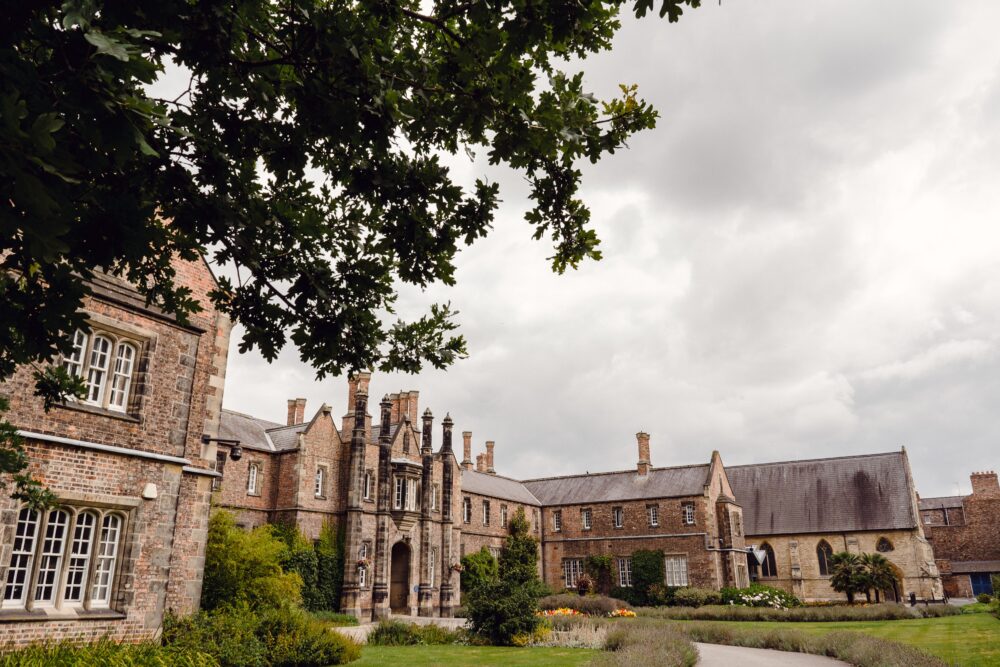
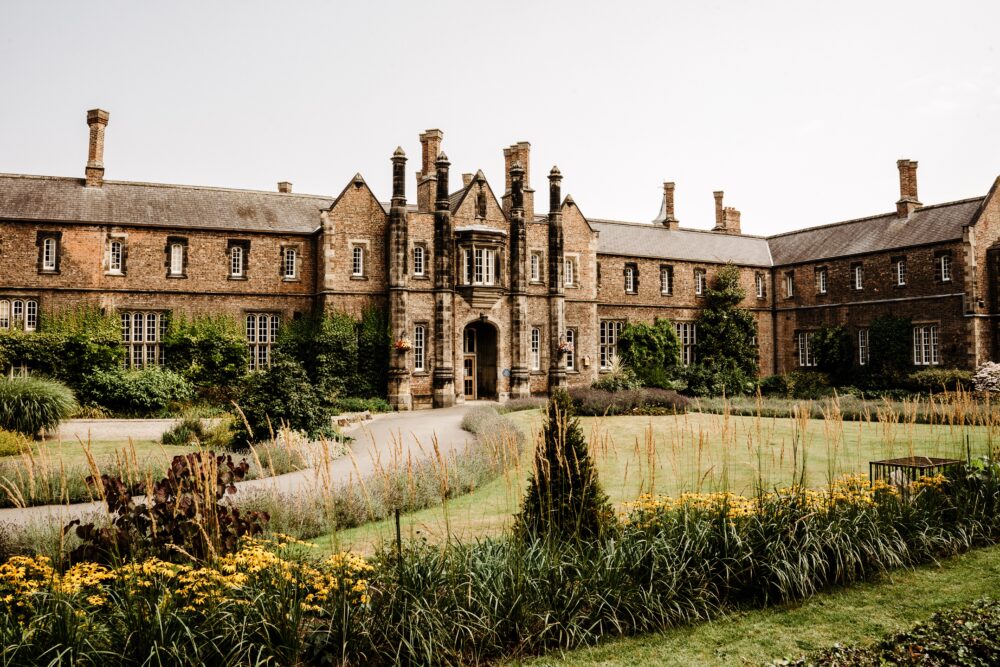
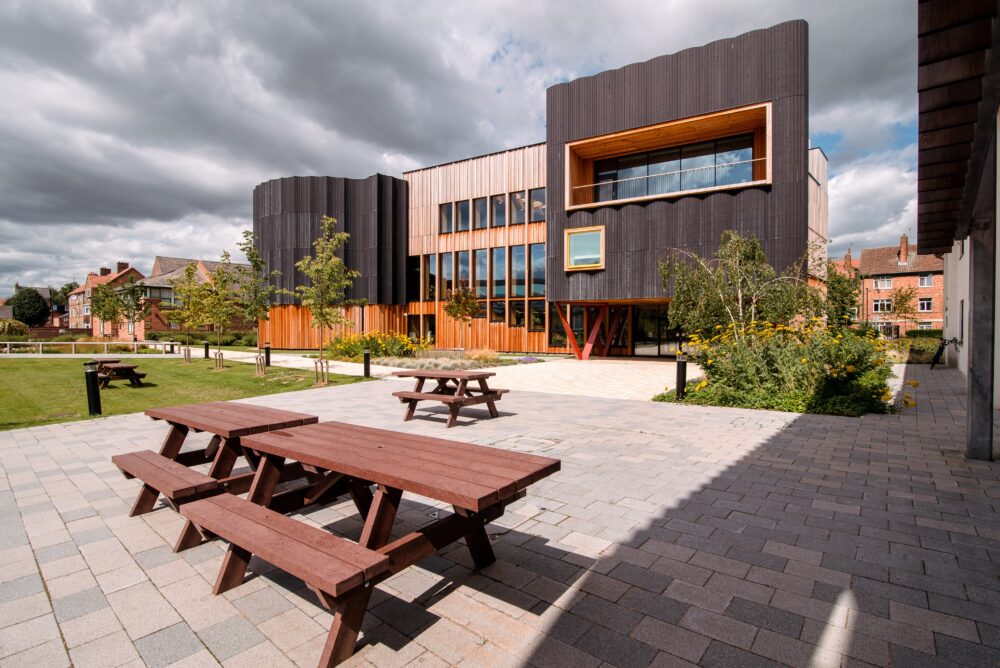
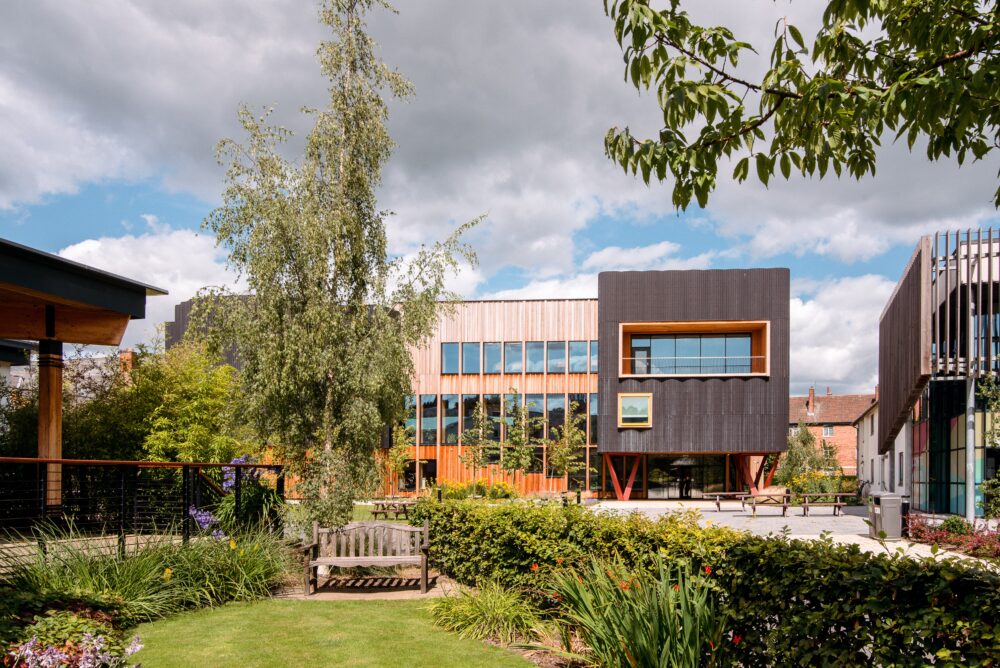
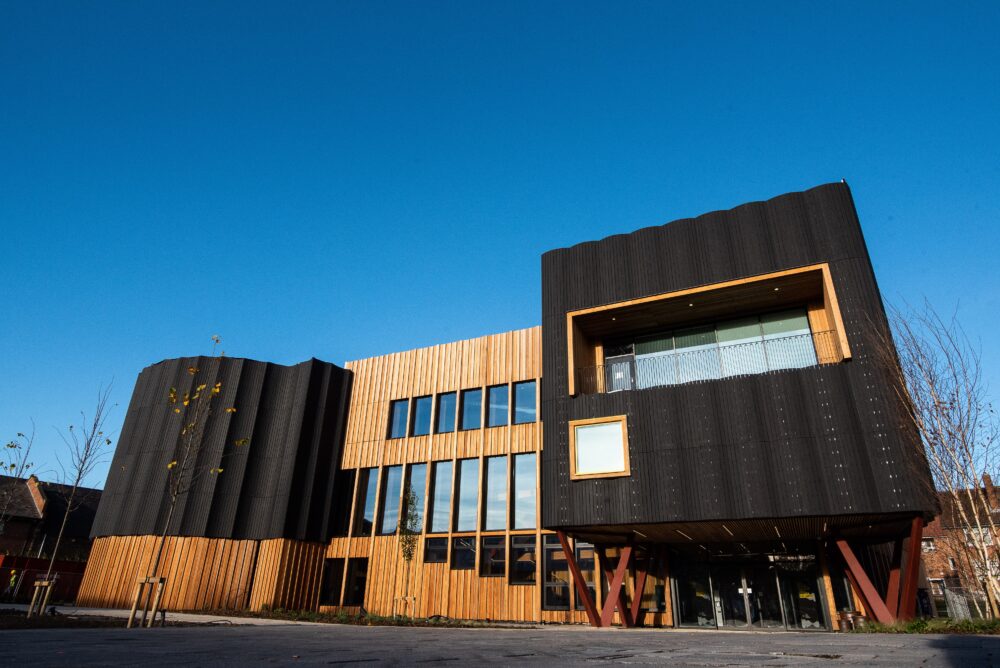
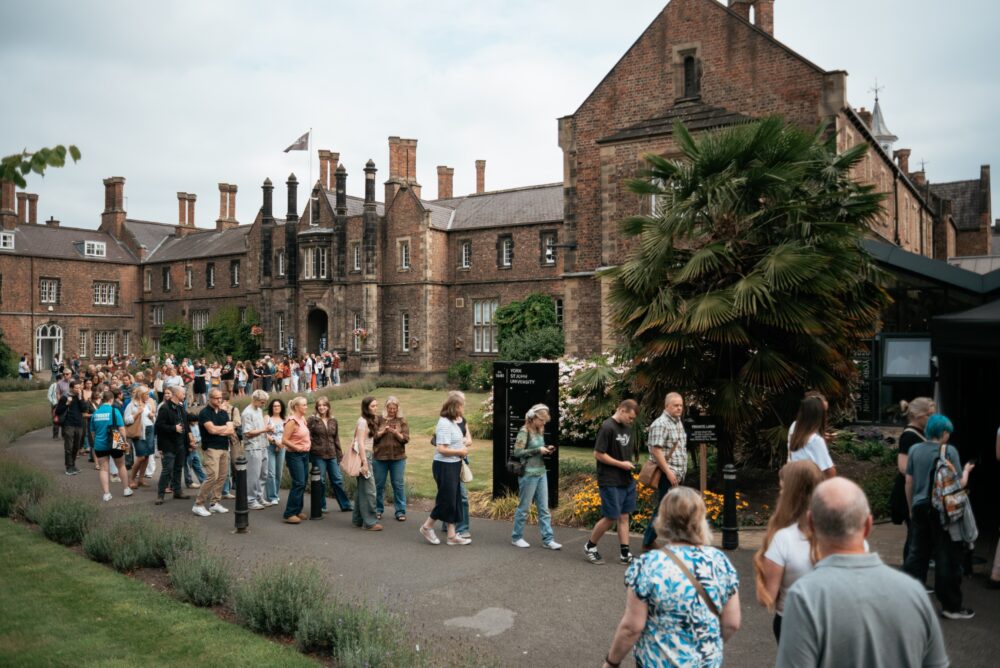
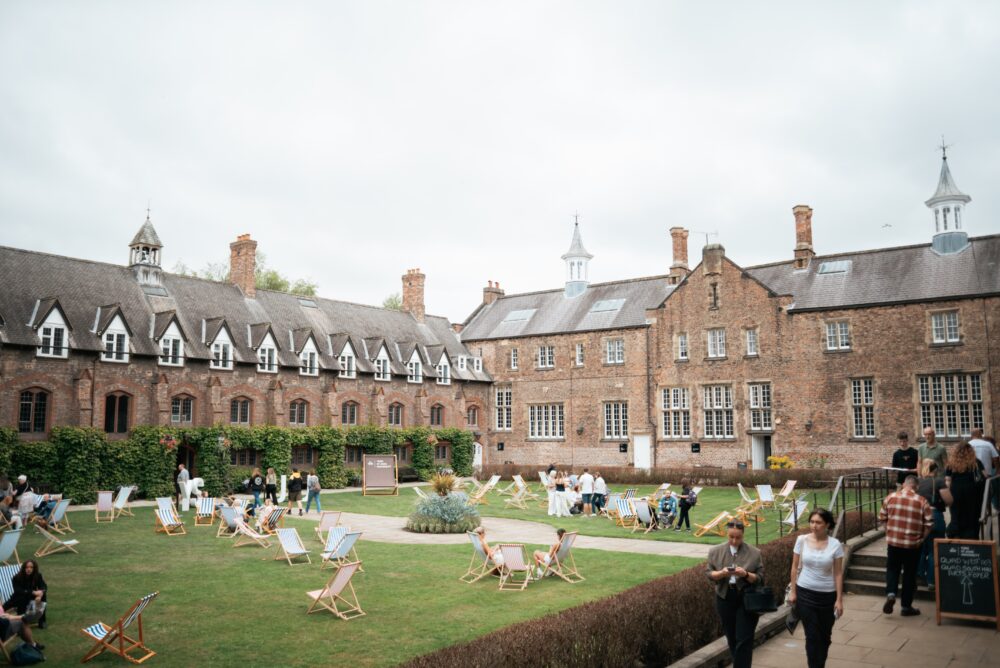
York St John University can draw on a proud history of innovating and modernising to meet contemporary needs and challenges. As the oldest higher education institution in the City, our roots go back to 1841. Originally the York Diocesan Training School for teacher education, we opened the door to the children of local working families. In 1846 the female Teacher Training School was also founded and ever since then, our mission to widen access to education has been at the heart of everything we do.
Our community
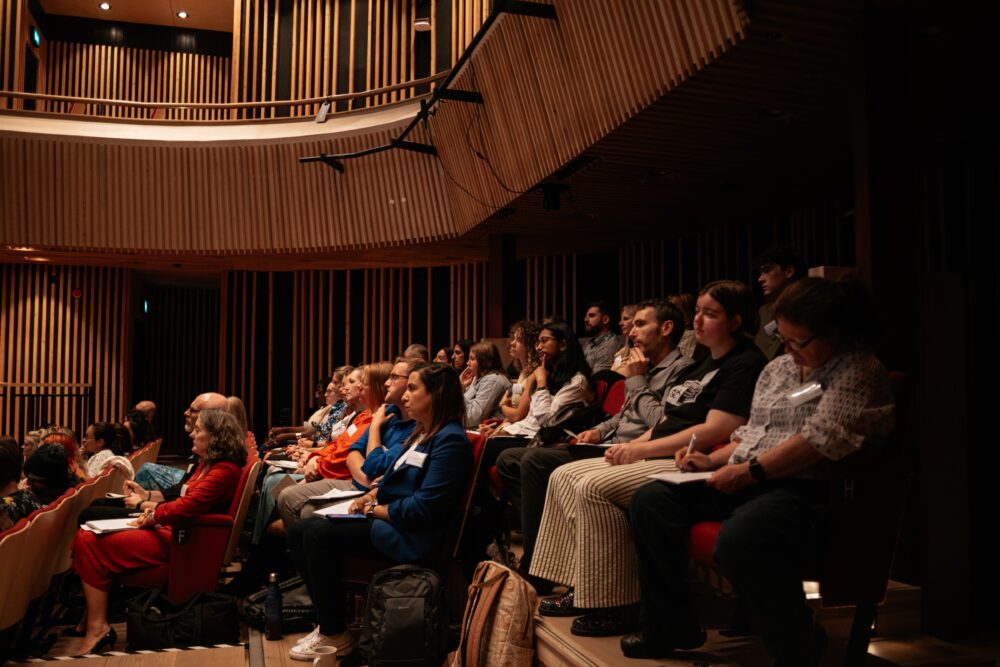
Our role in the city of York is one we take seriously. We are accredited to the Good Business Charter for our responsible business practices and are proud to work with individuals, charities, groups and schools to serve our local community. Our staff and students engage directly with the community through a range of research projects and initiatives. From prison partnerships to allotments for refugees, military rehabilitation to free creative courses for mental health service users – we fight to remove the hurdles that prevent participation in education. Our London campus is based in the Export Building at East India Dock, ideally placed for access to east London’s rich and diverse amenities. Close to Canary Wharf, the campus is an integral part of London’s creative, technology and business ecosystem. Many of our students and academics are also activists, taking on the challenges of the modern world head on. Our community takes an active stand against climate change, prejudice and inequality and we will only ever increase our efforts.
A place for everyone
We work proactively to create an environment that feels friendly, inclusive and supportive for all our staff, as well as our students. As a Stonewall Diversity Champion, we were proud to have been one of the very few UK universities in its Top 20 Trans Employers list for 2020, and in their Top 100 Employers list five times. The University is committed to continually improving diversity among the student body and staff workforce and has been awarded both the Race Equality Charter and Athena SWAN Charter bronze award status. We have strong staff network groups that ensure colleagues from different backgrounds can benefit from mutual support and effect change.
A place for you
We know the importance of work-life balance and understand that the best working arrangements suit individual needs as well as the job. Our staff benefit from generous holiday allowances and flexible working. Staff wellbeing is a consistent priority at York St John. In addition to a new Wellbeing Strategy, our ‘Your YSJ’ staff benefits package includes policies and paid leave to support work- life balance; financial wellbeing and reward; learning and development and an inclusive and diverse workplace.
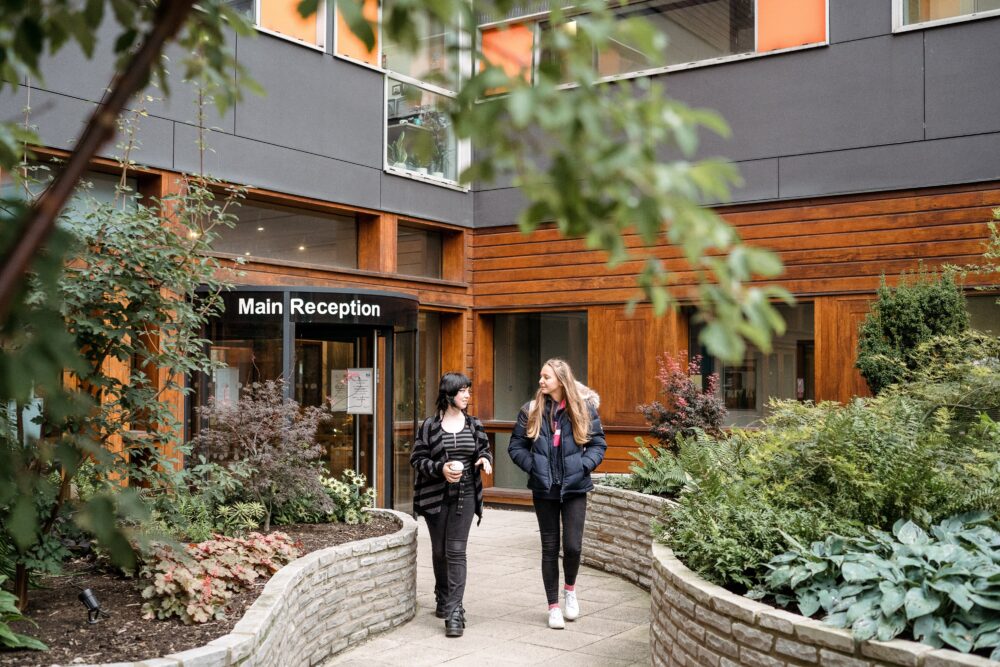
In York, employees have access to YSJActive fitness facilities and support for a healthy lifestyle. Colleagues working at our Lord Mayor’s Walk or Haxby Road campuses will see the benefits of our biodiversity projects to expand our green spaces and create wildlife habitats.
Our presence in York and London
York St John University is located in the centre of the beautiful city of York. You will know York as a top tourist destination, thanks to its rich history, culture and year- round entertainment. What you may not know is that it is also regularly highlighted as one of the best places to live in the UK, with excellent schools, a safe environment and community spirit.
The University is easy to access on foot, by bike or on public transport. There are regular bus routes around the city, including Park and Ride services. York Train station is less than a mile away. This makes longer commutes manageable, with over 70 trains per day during the week to London (journey just over 2 hours). Regular trains to Leeds (25 minutes), Leeds Bradford airport (1 hour), Manchester and Manchester Airport (80 and 105 minutes respectively) and Edinburgh are also available. For staff moving to the city, relocation support is available. Parking is also available near to our campus. York is the largest city in the UK’s largest county, North Yorkshire. The county boasts the picturesque towns and villages of the North York Moors National Park and Yorkshire coast.
The University has strong links and partnerships across the region, including a leading role in widening participation in higher education. Our regional footprint is expanding, establishing York St John as a major influence on North Yorkshire’s social, economic and cultural evolution. Achieving a positive work-life balance, alongside ease of travel and a fantastic environment in which to work and thrive, is an important aspect of belonging to the York St John community.
Our campus in London is a postgraduate learning community with a commitment to educate, motivate and inspire a new generation of innovators, entrepreneurs and business leaders. Our Master’s courses are shaped by our expert staff, directed by the latest research and informed by industry leaders. Set in the Export building at East India Dock, our campus is based in the rich and diverse East part of London. Close to Canary Wharf, we are part of a vibrant, dynamic and innovative hub of creative, technology, and startup businesses.
UNIVERSITY FOR SOCIAL IMPACT STRATEGY
At York St John, we strive for what we believe in. Our strong values remain unchanged and underpin everything we do.
We are:
Our vision is that through our excellent education and research, we will be a catalyst for change that creates a fair future. Our University for Social Impact Strategy will ensure we can meet future challenges by guiding the innovation and energy of our University community.
These ten strategic aims describe the difference we want to make.
In the years to come, we will:
To deliver against these aims, we have designed a series of University-wide Strategic Frameworks together with relevant colleagues. These will be underpinned by local School Roadmaps and Enabling Plans detailing the specific actions we will take to move us closer to meeting our aims.
Read our Strategy in full on our website: University for Social Impact Strategy | York St John University
Key links
Our executive team

Our academic community
Our academic community is the intellectual heartbeat of our University. This is a community deeply committed to students, regularly going the extra mile to support those who need additional assistance, and with a strong connection to the values of widening access and promoting social justice.
As at all universities, it is also a community experiencing a changing working environment – adapting to the external regulatory framework, balancing the competing demands of teaching, research, student support and personal development, and working across multiple internal and external networks to play a part in the activities where our voice and expertise can make the biggest impact.
To position us as effectively as possible to achieve our ambitions for both inspiring teaching and impactful research, the University has five academic Schools and a London campus. Each School has a Senior Leadership Team consisting of Head of School, Associate Heads, Learning and Teaching Lead, Research and Knowledge Transfer Lead, and an Operations Manager, who provide leadership, and cultivate multi-disciplinary collaboration, and enhance the support available to academics.
The Pro Vice Chancellor: Education line manages Heads of School to ensure that all Schools achieve their full potential and contribute to delivering the University for Social Impact Strategy.

JOB DESCRIPTION
POST: Head of School of Education Language and Psychology
SCHOOL: Education Language and Psychology
REPORTING TO: Pro Vice Chancellor Education
MANAGEMENT RESPONSIBILITY: Deputy Head of School
Associate Heads of School
Operations Manager
Research and Knowledge and Transfer Lead
Learning and Teaching Lead
PGR Lead
Other colleagues as determined by the current line management structure of the School (tbc)
ABOUT THE SCHOOL OF EDUCATION, LANGUAGE AND PSYCHOLOGY
Established in 2019, the School of Education, Language and Psychology comprises of an engaging and complementary range of academic disciplines: languages, linguistics, TESOL, counselling, psychology, primary and secondary teacher education, early years education, and children, young people and education. Colleagues work hard to connect across these disciplines and have built a strong culture of collaboration and collectiveness.
The School is organised into five broad areas: Languages and Linguistics; Initial Teacher Education; Psychology; Counselling; and Children, Young People and Education. Each disciplinary area is led by an Associate Head of School. At School level, working alongside the Associate Heads and Head of School, there is an Operations Manager, a Learning and Teaching Lead, Research and Knowledge Transfer Lead and EDI Lead, all of whom form the School’s Senior Leadership Team.
116 members of staff are employed within the School of which many are part-time. Qualified casual staff are also engaged, including many who support the Initial Teacher Education programmes as external General Mentors and Lead Mentors. The School offers a variety of undergraduate degrees and there is also a vibrant postgraduate community at MA and PhD levels. The School’s student numbers have seen steady growth and stand at 2,331 comprising of; 1,856 undergraduate students, 337 taught and research postgraduate students, and 95 Doctorate (PhD and Professional Doctorate) students. The student community reflects the University’s widening participation ethos and encompasses mature learners, first in family, those with a declared disability and international students amongst others. Despite its relatively large size, the School maintains a strong sense of togetherness. As an illustration of this, there are a number of cross-School groups, including the AI Working Group, the Student Engagement Group, and the QR Funding Group.
The School includes accredited professional courses which require strong collaborative work with our communities, including our teacher education programmes, which were the founding discipline of the University when it was established in 1841. Partnership is at the heart of these programmes and take account of PSRB criteria including the British Psychological Society, Ofsted, the DfE, and the British Association for Counselling and Psychotherapy. Our most recent full Ofsted inspection resulted in an overall grade of Good with Outstanding for primary leadership and management.
The School has a strong commitment to public engagement, evidenced by the work of the York St John Communities Centre, which offers high quality, accessible counselling, mental health and support services to the York community, the Community Language School which maintains heritage languages for multilingual children, and a Creative Literacies Hub which helps parents support children’s reading skills. The Communities Centre also offers student training placements for the PG dip Humanistic Counselling and the Doctorate in Counselling Psychology.
The School has six professorial staff and is actively engaged in delivering the University Research Plan with a series of research groups supporting staff. These groups cover a range of interests such as; ecological justice; inclusion, society and education; child development; counselling and therapy; and participatory enquiry. We have excellent national and international collaborators and have hosted a wide range of seminars, conferences and other events. Our growing PGR population includes a range of subjects at Masters and Doctoral level including researching the relationship between bilingualism and the theory of mind; researching the Black deaf community who use British Sign Language in the UK; critical mathematics education and the involvement of community and democratic accountability in multi- academy trusts in the UK. The School covers four REF Units of Assessment (3; 4; 23 and 26) all of which had several 4* outputs in the last REF cycle.
Staff and students in the School continually create new knowledge about the development, education and life experiences of people in a wide variety of settings. They are all invested, from diverse disciplinary perspectives, in how to help people to achieve their potential and, importantly, how to change society to make their potential more achievable
View the School of Education, Language and Psychology Strategic Roadmap 2025 here
LEADERSHIP OF YORK ST JOHN UNIVERSITY
As a member of the University’s Senior Strategic Leadership Team:
JOB PURPOSE:
The Head of School is accountable to the Pro Vice Chancellor Education for the performance outcomes of the School.
DUTIES AND RESPONSIBILITIES:
Strategic Leadership
Academic Leadership
People Leadership
Sustainability & Enterprise
Research & Innovation
External Engagement
HEALTH & SAFETY
Under the Health & Safety at Work Act 1974, whilst at work, members of staff must take reasonable care for their own health and safety and that of any other person who may be affected by their acts or omissions.
This is not a comprehensive definition of the post. Postholders are expected to undertake any work that comes with the remit of the post’s main objective. This job description will be kept under review and may be changed at any time subject to consultation with the postholder.
PERSON SPECIFICATION
POST TITLE: Head of School
SCHOOL / DEPARTMENT: Various
The Person Specification focuses on the knowledge, skills, experience and qualifications required to undertake the role effectively.
Education & Training
The post holder should be able to demonstrate:
Knowledge & Experience
The post holder should be able to demonstrate:
Skills/Attributes
The post holder should be able to demonstrate:
The Leading in York St John Framework
YSJ is my university, I choose to be here, and I show my commitment by contributing to its long-term success. This Framework is used in our Recruitment & Performance Development Reviews, please take these into consideration when making your application and in your role.
Self-Assured – I take personal responsibility. If not me, then who? If not now, then when?
Agile – I am proactive, creative and responsive in testing solutions. I continuously adapt my Approach.
Socially Aware – I contribute my knowledge, skills and time to the broader university community.
Tenacious – I confidently and passionately contribute my ideas and support others to do the same.
Open-Minded – I communicate with empathy and positivity, without prejudice.
JOB DESCRIPTION
POST: Head of School of Science, Technology and Health
SCHOOL/DEPARTMENT: Science, Technology and Health
REPORTING TO: Pro Vice Chancellor Education
SUPERVIOSRY RESPONSIBILITY: Deputy Head of School
Associate Heads of School
Operations Manager
Research and Knowledge and Transfer Lead
Learning and Teaching Lead
PGR Lead
Other colleagues as determined by the current line management structure of the School (tbc)
ABOUT THE SCHOOL OF SCIENCE, TECHNOLOGY & HEALTH
Established in 2019, the School of Science, Technology & Health is comprised of a number of scientific, health-related disciplines: Biomedical Science; Diagnostic Radiography; Health related CPD; Midwifery; Adult Nursing; Mental Health Nursing; Occupational Therapy; Operating Department Practice; Physiotherapy; Paramedic Science; Speech and Language Therapy; Sport and Exercise Science; Sport and Exercise Therapy; and PE and Sport Coaching.
The School is organised into three areas: Allied Health; Nursing and Medical Science; and Sport. Each area is led by an Associate Head of School. Additionally there is an Operations Manager, a Learning and Teaching Lead, a Research and Knowledge Transfer Lead, a Postgraduate Research Lead and an EDI Lead, all of whom form the School’s Academic Leadership Team.
72 members of staff are employed within the School, the majority of which are full-time and these core staff are supplemented by a number of casual staff. The School offers a variety of undergraduate degrees and there is also a vibrant postgraduate community engaging in taught MSc programmes, MRes and PhD research degrees. The School’s growing student numbers stand at 1332 undergraduates, 205 Postgraduate taught students and 63 postgraduate research students. The student community reflects the University’s widening participation ethos and encompasses a diverse student body.
Student feedback across all programmes is positive with Nursing, Occupational Therapy and Sport performing positively against the sector in terms of Times Higher NSS positivity scores, and is sector leading for all questions relating to health placements. Student survey responses for Level 4 and 5 students show Occupational Therapy, Biomedical Science and Physiotherapy in the top four performing programmes at York St John with satisfaction rates of 91% and above. Subjects perform well in terms of graduate outcomes with all above 80%, with the exception of Sport at 53%.
The accredited professional courses require strong collaborative work within the region and partnership is at the heart of many of the School’s programmes working with numerous PSRBs, and with a strong commitment to public engagement, as evidenced by partnerships with professional sports teams, and healthcare providers.
The School has three Professorial staff and three Associate Professors, and is actively engaged in delivering the University’s Research Plan with a series of well-established research groups which include; the Advanced Healthcare Practice group; the Disease Detection and Prevention (DDaP) group; the Health, Wellbeing and Participation group; the Interdisciplinary Sports Performance and Injury Research (InSPIRe) group; the Motivation, Performance and Wellbeing (MPaW) group; the Physical Activity and Cardiovascular Health (PAtCH) group; the Rehabilitation and Health Promotion Research group; and the Tackling Welfare in Sport Together (TWiST) group.
These groups are supported by regular seminars providing opportunities for staff and students to share and discuss their research. Staff additionally contribute to the two University-wide research institutes – the Institute of Social Justice, and the Institute of Health and Care Improvement.
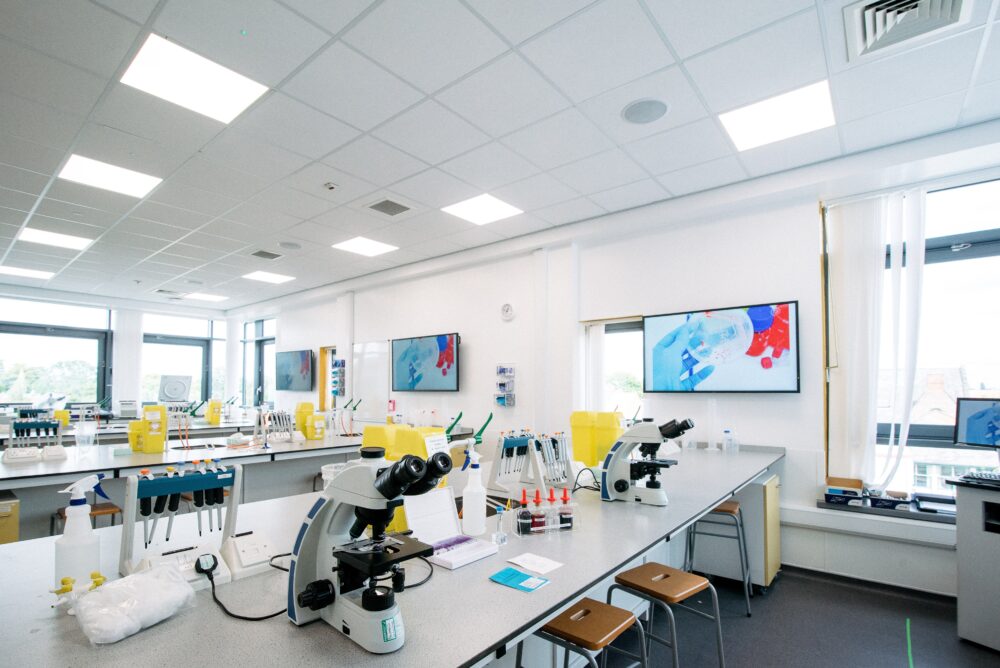
The School is home to a number of specialist teaching spaces linked to programme delivery and community engagement which includes a 57 acre sports facility, a suite of biomedical science laboratories, and an extensive simulated health suite. The Sports Park includes grass pitches, an indoor tennis centre, sprint track, sports barn, padel courts, a Strength and Conditioning suite, a Sports Therapy suite and a BASES accredited biomechanics laboratory. It is also used as a training facility by a number of professional sports teams providing opportunities for research and student learning.
The Health Simulation suite includes consultation rooms, a community flat, two eight-bed nursing wards, a maternity ward, an operating theatre, x-ray and a 1.5T MRI scanner which hosts an NHS clinic for two days a week.
The School is committed to growing and nurturing industry and PSRB partnerships for the benefit of students and staff, and is working to create and cultivate on-campus clinics to serve the local community and provide unique opportunities for learning and teaching, research and placement purposes.
View the School of Science Technology and Health Strategic Roadmap 2025 here
LEADERSHIP OF YORK ST JOHN UNIVERSITY
As a member of the University’s Senior Strategic Leadership Team:
JOB PURPOSE:
The Head of School is accountable to the Pro Vice Chancellor Education for the performance outcomes of the School.
DUTIES AND RESPONSIBILITIES:
Strategic Leadership
Academic Leadership
People Leadership
Sustainability & Enterprise
Research & Innovation
External Engagement
HEALTH & SAFETY
Under the Health & Safety at Work Act 1974, whilst at work, members of staff must take reasonable care for their own health and safety and that of any other person who may be affected by their acts or omissions.
This is not a comprehensive definition of the post. Postholders are expected to undertake any work that comes with the remit of the post’s main objective. This job description will be kept under review and may be changed at any time subject to consultation with the postholder.
PERSON SPECIFICATION
POST TITLE: Head of School
SCHOOL / DEPARTMENT: Various
The Person Specification focuses on the knowledge, skills, experience and qualifications required to undertake the role effectively. All of the following criteria are considered essential and assessed by application and interview unless otherwise noted.
Education & Training
The post holder should be able to demonstrate:
Knowledge & Experience
The post holder should be able to demonstrate:
Skills/Attributes
The post holder should be able to demonstrate:
The Leading in York St John Framework
YSJ is my university, I choose to be here, and I show my commitment by contributing to its long-term success. This Framework is used in our Recruitment & Performance Development Reviews, please take these into consideration when making your application and in your role.
Self-Assured – I take personal responsibility. If not me, then who? If not now, then when?
Agile – I am proactive, creative and responsive in testing solutions. I continuously adapt my Approach.
Socially Aware – I contribute my knowledge, skills and time to the broader university community.
Tenacious – I confidently and passionately contribute my ideas and support others to do the same.
Open-Minded – I communicate with empathy and positivity, without prejudice.
Work-life balance
Financial wellbeing and reward
The closing date for applications is noon on Friday 3 October, 2025
Applications should consist of:
Should you wish to discuss the roles in strict confidence, please contact Kiersten Avery at kiersten.avery@andersonquigley.com or +44 (0)7510 384 735 or Samantha Bryan-Ross at samantha.bryan-ross@andersonquigley.com or +44 (0)7510 384 713.
 www.yorksj.ac.uk