
Dear Candidate,
Thank you for your interest in the role of Head of Estate Planning at the University of Cambridge, a world-renowned institution whose estate is as remarkable and diverse as its academic reputation.
The Estates Division, part of the University’s Unified Administrative Service, is responsible for the development, delivery, and operation of the estate in UK higher education. With a portfolio comprising over 350 operational buildings used for teaching and research, as well as a significant non-operational estate generating commercial return, the Division plays an important role in enabling the University to deliver on its mission of excellence in education and research.
The Head of Estate Planning is a key leadership position within the Division, responsible for guiding a diverse range of development projects through the planning system. This includes both operational projects that support the University’s core academic mission and non-operational developments that form part of a commercial pipeline exceeding 10m sq ft. Working closely with senior colleagues across the University, and with government agencies and planning authorities, the role requires expert navigation of regulatory processes, strategic leadership in town planning and transport, and effective management of public and community relations.
You will lead a highly skilled in-house team of town planning and transport professionals, ensuring that the University’s development ambitions align with both internal priorities and the wider strategic context across Cambridge and beyond. The successful candidate will be an experienced planning professional and a member of the Royal Town Planning Institute, with strong leadership credentials, excellent stakeholder management skills, and a track record of delivering complex development strategies in challenging regulatory environments.
This is a unique opportunity to shape the future of a globally respected university through collaborative, sustainable, and forward-looking estate planning. If you believe you have the expertise, vision, and commitment to lead this critical function, we warmly encourage you to apply.
We look forward to hearing from you.
Yours sincerely,








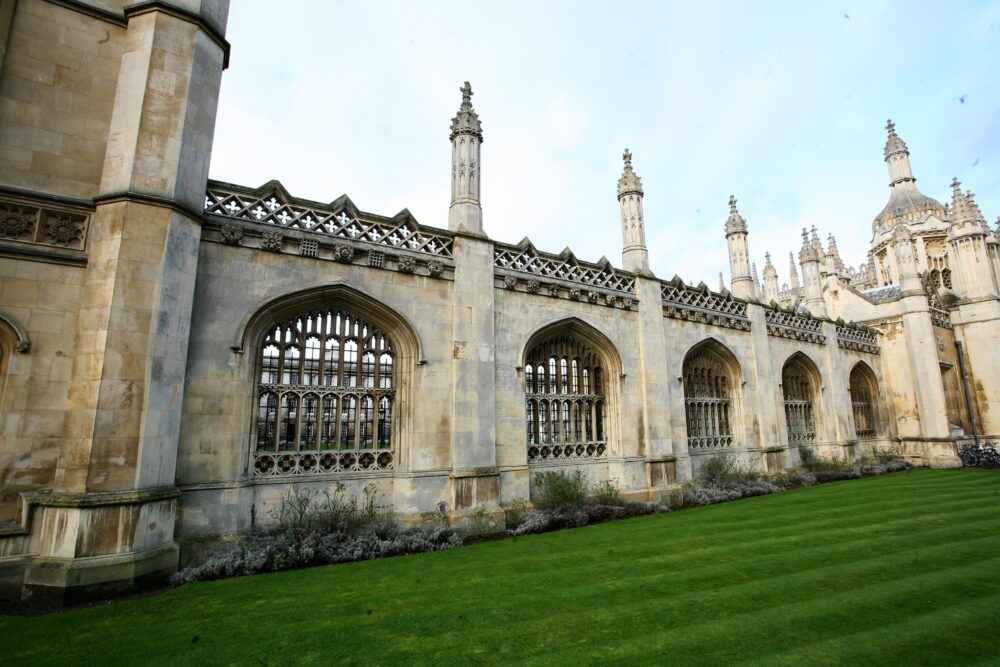


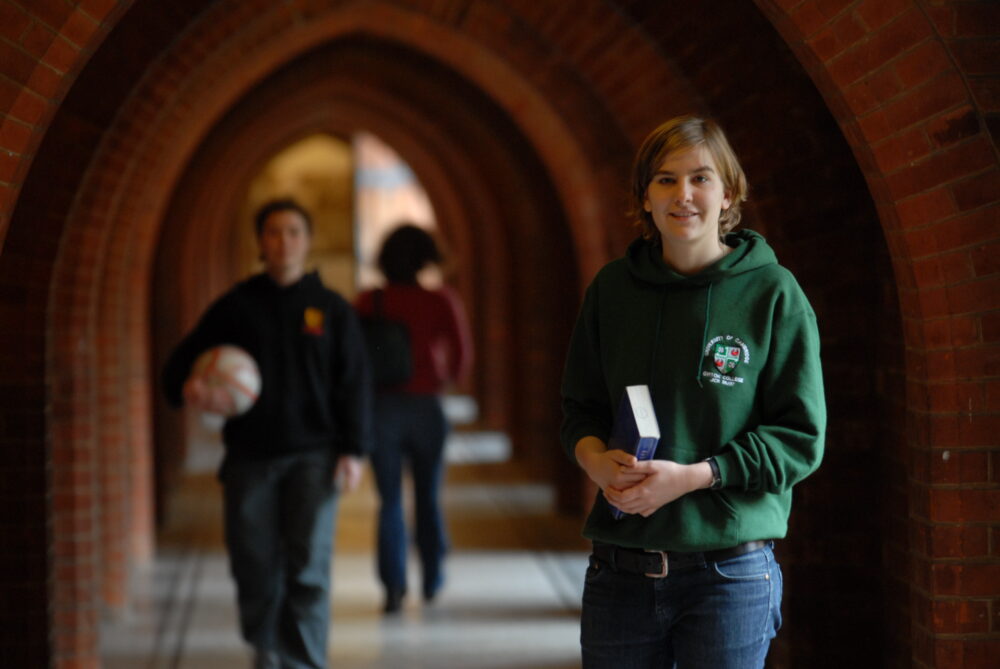







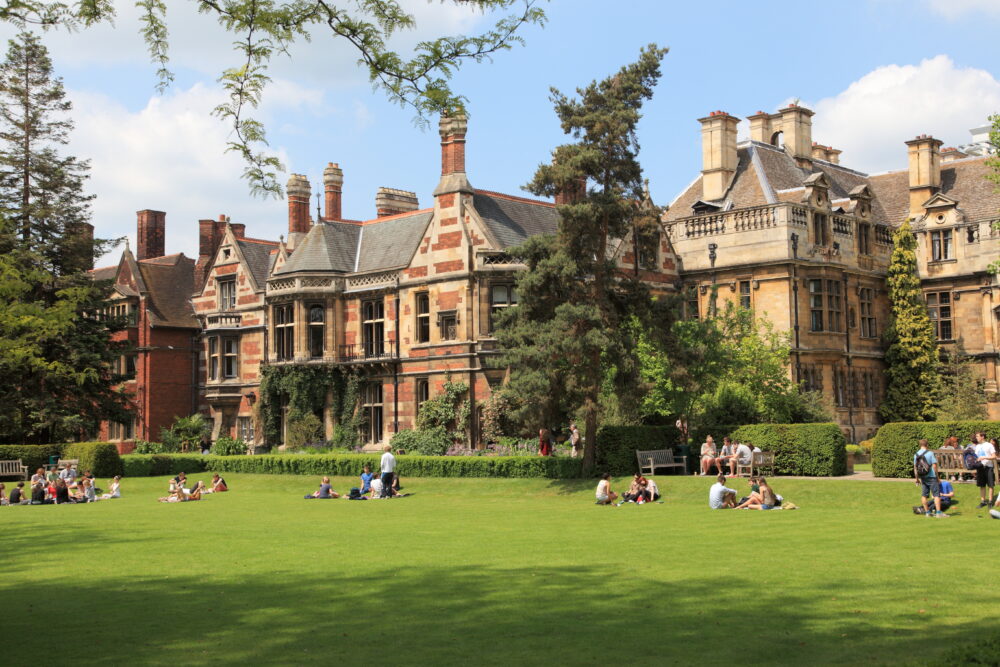






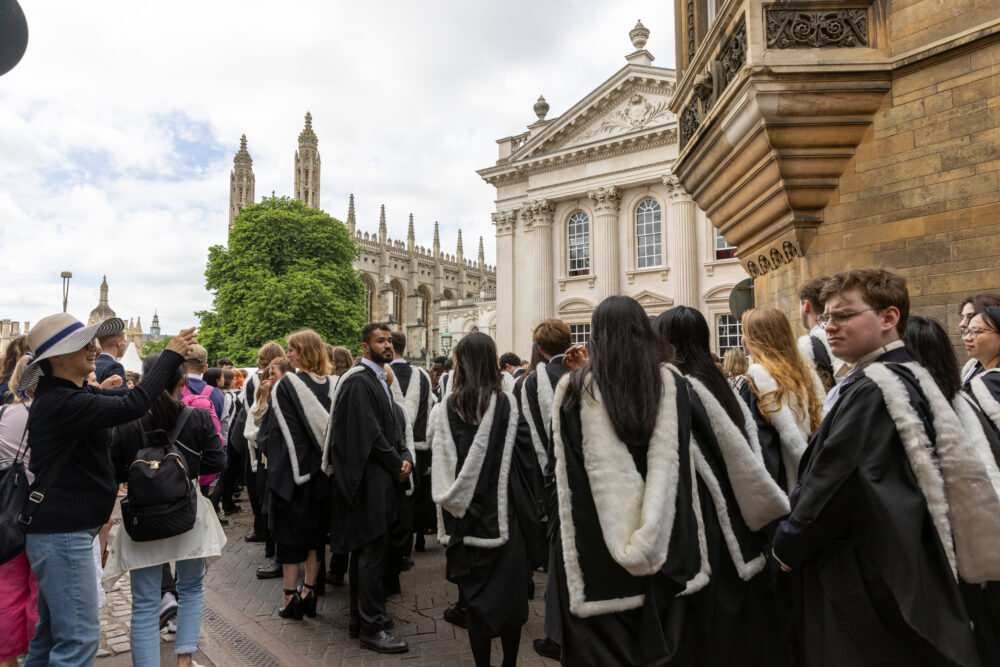
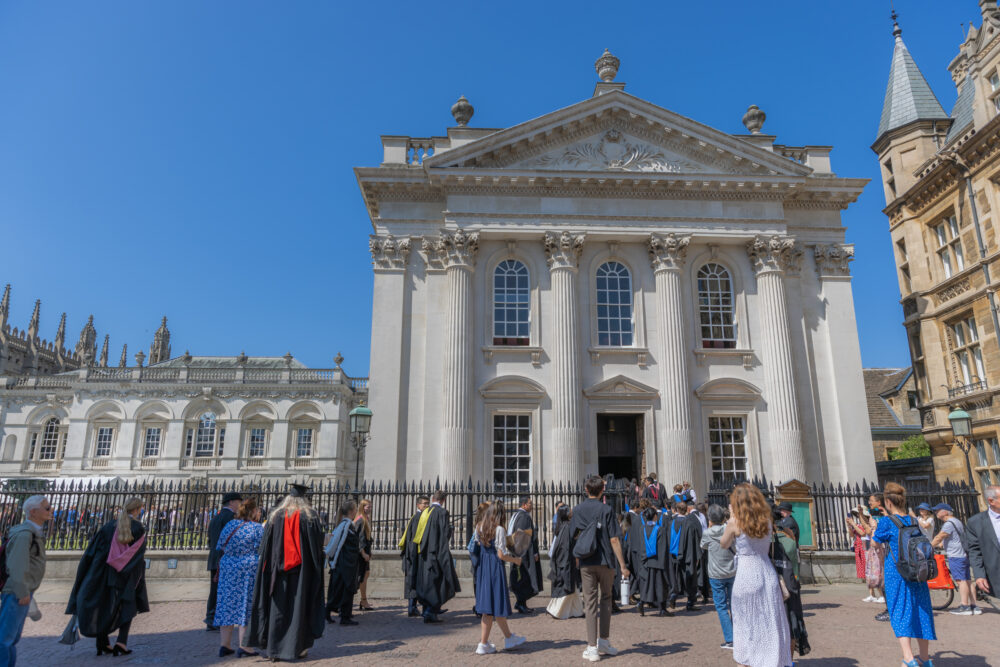
The University of Cambridge is consistently ranked one of the best universities in the world, achieving academic excellence through its Faculties, Departments, and other Institutions, together with the 31 Colleges.
The University is renowned for its record of discovery and innovation. It is one of the great institutions, with a regional, national, and global reach, attracting the very best and brightest minds. Our staff and students shape the world around us for the better: we attract and partner with like-minded people.
Whether contributing to the development of new anti-cancer drugs, adding to the understanding of how black holes are formed, revolutionising the study of ancient settlements, convening academic expertise to offer solutions to the climate crisis, or analysing public attitudes towards democracy around the world, the University’s research is remarkable in its breadth, quality, and impact. The University also sits at the heart of Europe’s largest technology cluster and has catalysed more than 1,500 high-tech companies. And yet what inspires our 24,000 students and 12,000 staff is not what has already been achieved, but what is possible in the future.
The education and experience of our students, based on a partnership between the University’s academic Departments and Faculties and the 31 Colleges, is second to none. Every student is a member of one of the Colleges, each a community of students, academics and staff drawn from across the University’s comprehensive range of subject areas.
The University is an academically-led democratic institution, its ultimate decision-making body being the Regent House, which comprises more than 7,000 members of academic and senior administrative staff. Each Department and Faculty is part of one of six academic Schools, but each of them, and each individual academic, has a great deal of autonomy. The Colleges are independent and self-governing, working in a symbiotic relationship with the University.
The University has a number of Institutions that are independent of any Faculty or Department and are not part of the academic Schools. These include the Professional and Continuing Education (which provides high-quality education to adults throughout their lives), the Fitzwilliam Museum, Kettle’s Yard (an historic house and gallery that holds important collections of modern art) and the University Library. In addition to their diverse contributions to University and public life, these non-School Institutions are also important centres of teaching and research.
Cambridge University Press & Assessment provides academic publishing, examinations and learning materials worldwide, supporting the dissemination of research, academic development at school and in higher education, and international student mobility. Legally, the Press & Assessment is a department of the University. It provides very important funds to invest in the academic purposes of the University.
The University has made truly remarkable contributions to the sum of human understanding, with breakthrough ideas and discoveries that have changed the way we understand ourselves, our planet, and the universe around us. Yet the global and national contexts in which it operates are fast-changing and increasingly filled with uncertainty. In a world that is becoming – politically, economically, socially, and technologically – ever more interconnected but even less equal, the University’s mission – “to contribute to society through the pursuit of education, learning and research at the highest international levels of excellence” – has never been more relevant.
The University is one of the world’s leading academic centres. It comprises 150 faculties and departments, together with a central administration and other institutions. Our institutions, museums and collections are a world-class resource for researchers, students and members of the public representing one of the country’s highest concentrations of internationally important collections.
The University has an annual income of £2 billion. Research income, won competitively from the UK Research Councils, the European Union (EU), major charities and industry, exceeds £500 million per annum and continues to grow.
The Colleges and the University remain committed to admitting the best students regardless of their background and to investing considerable resources both in widening access and financial support. The 31 Colleges are self-governing, separate legal entities which appoint their own staff. Many academic staff are invited to join a College as a Teaching Fellow, which provides a further social and intellectual dimension. The Colleges admit undergraduate students, provide student accommodation and pastoral support and deliver small group teaching for undergraduates.
The University awards degrees and its faculties and departments provide lectures and seminars for students and determine the syllabi for teaching.
Our instinct for seeking out excellence and setting up enduring and mutually beneficial collaborations has led us to establish strategic partnerships across the globe. Whether it is the successful Cambridge-Africa Programme involving universities in Ghana, Uganda and elsewhere on the African continent; or the close association with the government of India to pursue new research in crop science; or the creation, with Germany’s Max Planck Institutes, of a Cambridge-based centre for the study of ethics, human economy and social change – international partnerships are now an inextricable part of the University’s make-up.
“Through its outstanding education, research and innovation, the University of Cambridge has made – and continues to make – a lasting contribution to human knowledge and flourishing. By working at the University of Cambridge, you will be joining a vibrant community of students, scholars and professional services staff committed to supporting and enhancing the University’s mission to contribute to society.”
Professor Deborah Prentice, Vice-Chancellor
Working at Cambridge you will join a diverse, talented, and innovative community, with more than 24,000 students and 12,000 staff from all walks of life and corners of the world.
The University continually explores strategies to attract and retain the best people. It is committed to supporting its staff to achieve their best. They prioritise a fair, diverse and inclusive society and believe their staff are their greatest asset. There is strong commitment to developing institutional leadership and supporting and encouraging staff development at all levels.
The University offers a variety of roles including academic, research, professional, managerial and support roles. Along with extensive benefits and excellent learning opportunities within a stimulating working environment.
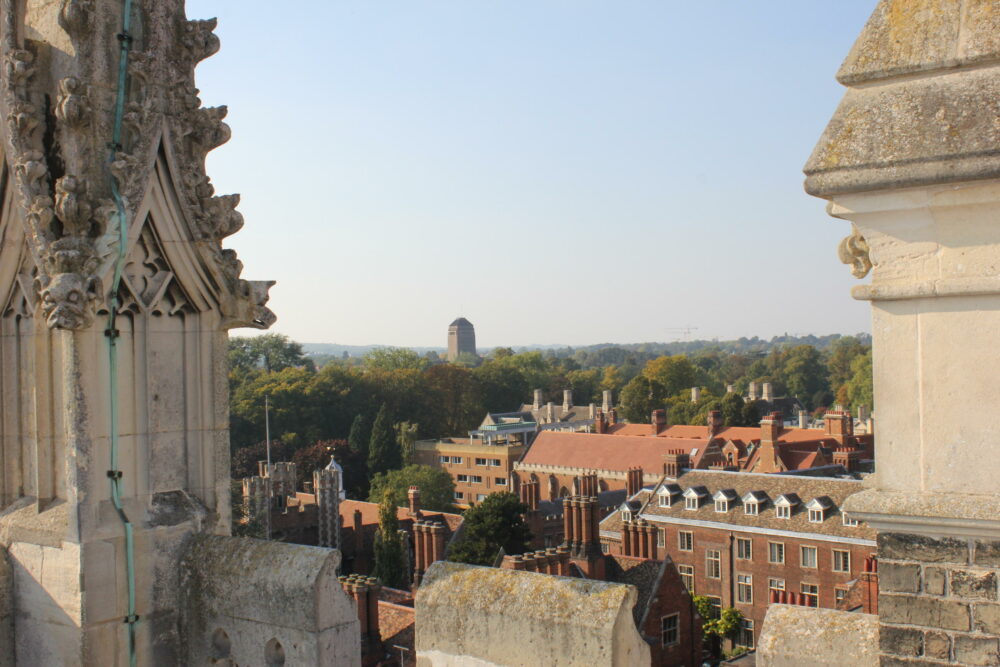
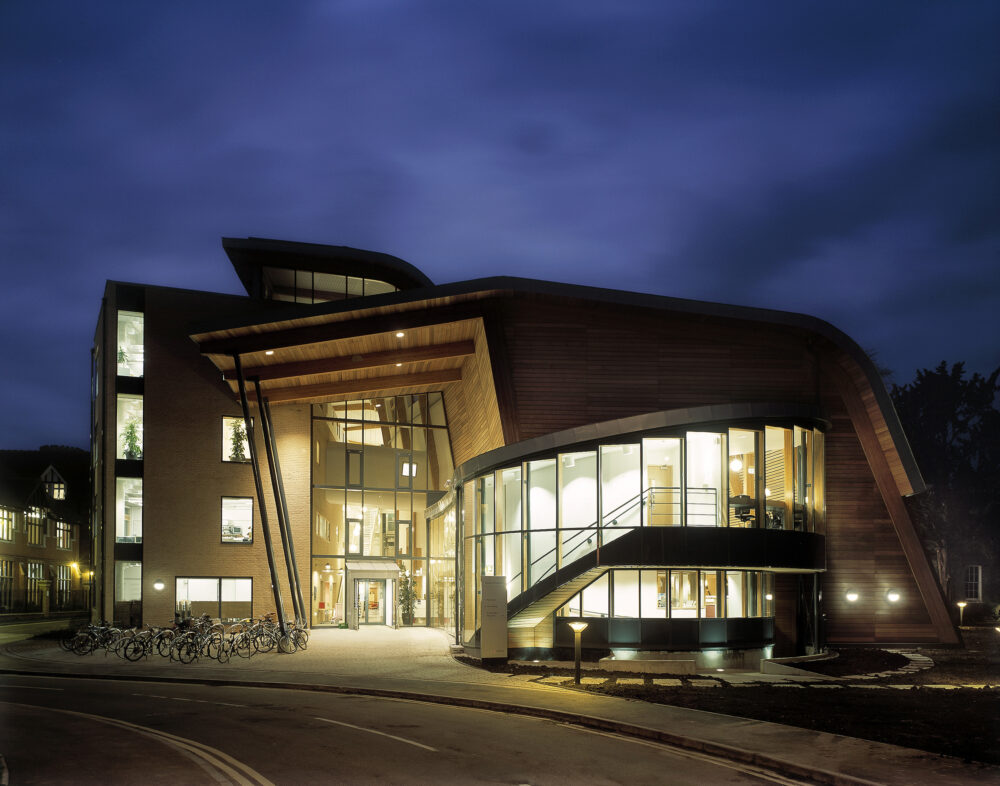
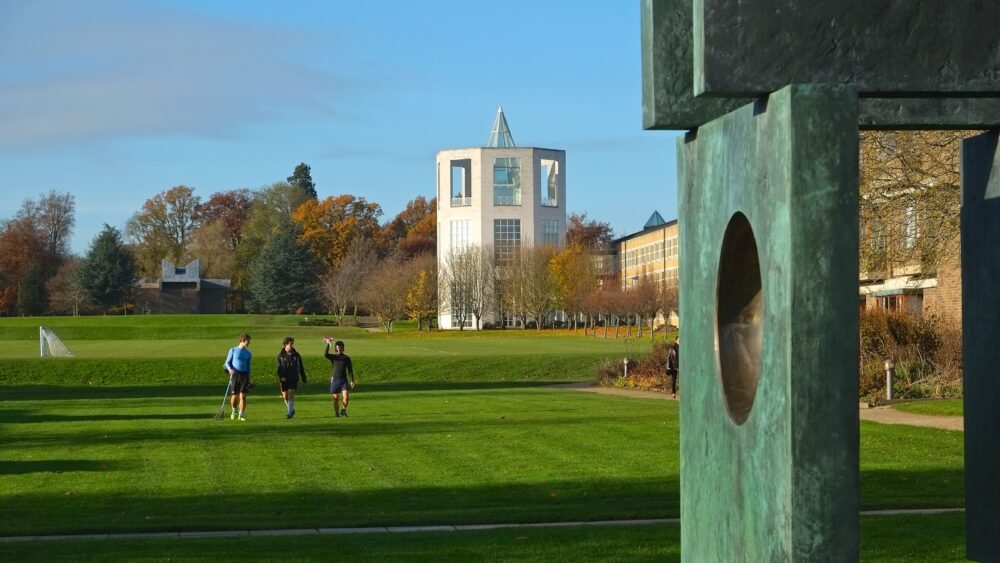
The University’s estate is undergoing the most significant transformation in its history. Cambridge has been able to create a science and technology campus to the west of the city centre, and is expanding further to the north west of Cambridge including investing in affordable homes for University key workers and community facilities. Even with their continued development, the University remains within walking or cycling distance across the campus. The University is a major partner on the Cambridge Biomedical Campus and continues to redevelop its historic city centre sites demonstrating a clear determination to provide the best facilities and opportunities for staff and students.
The University has built its excellence on the diversity of its staff and student community. We aim to be a leader in fostering inclusion and promoting respect and a sense of belonging for all. All appointments are made on the basis of merit, and applications are encouraged from all sections of society.
We have an Equal Opportunities Policy, and actively encourage and support a range of diversity groups, including the Women’s Staff Network, Race Equality Network and LGBT+ Staff Network. More details are available here.
The University of Cambridge is also fully committed to securing and promoting freedom of speech within the law for staff, students and visiting speakers in all activities related to academic life. Our Code of Practice on Freedom of Speech sets out the University’s values, approach and associated procedures in detail.
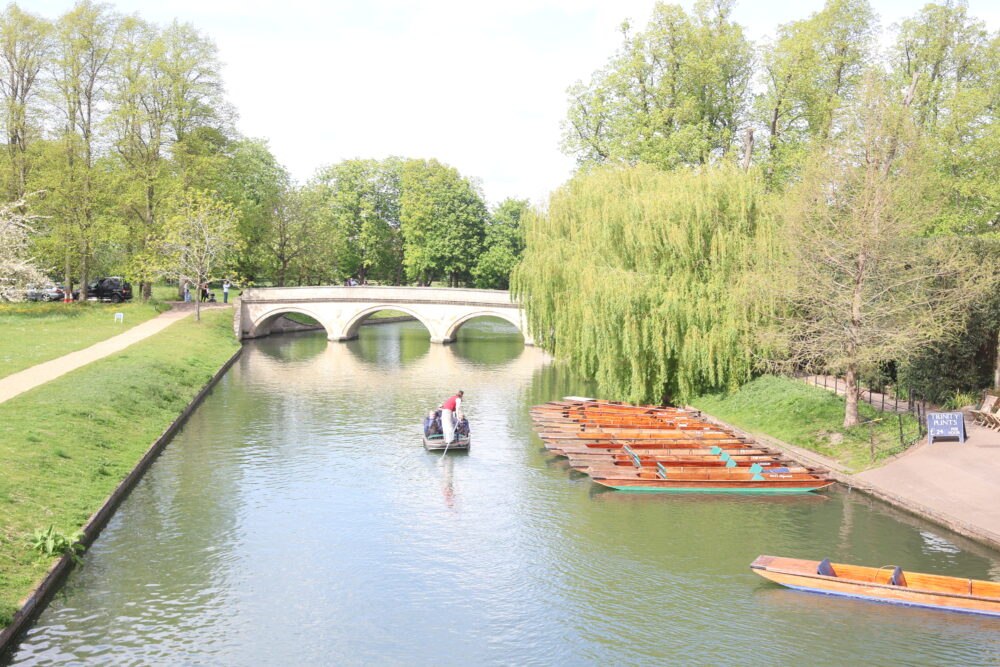
Cambridge is rich in cultural diversity. From beautiful University and College buildings, museums and art galleries, quaint gardens and punts on the River Cam, to a vibrant restaurant and café scene, our employees are surrounded by the wonderful features of this unique city.
You can find a wide-range of high street shops and 3 shopping centres, with independent alternatives at the historic market and nestled within the passageways in the city centre. You will find a cinema, bowling alley, a nightclub and various live performances at the Cambridge Leisure Park, with further entertainment options at the Corn Exchange, Arts Theatre and the ADC Theatre. Further information can be found on the Visit Cambridge website.
If you prefer the faster pace of life, London is a 45 minute train journey away. For those travelling from overseas, Stansted Airport is just 45 minutes away and Heathrow Airport under 2 hours away. The University is a short distance from a host of other attractions such as Ely Cathedral, Newmarket Races and various wildlife parks and stately homes. Cambridge is also within easy reach of the beautiful Broads and coastlines of Norfolk and Suffolk.
Relocation Support
The University recognises the importance of helping individuals to move and settle into a new area. We provide support and guidance to those relocating internationally or domestically to take up a post at the University of Cambridge, liaising with other University offices and selected partners to ensure comprehensive relocation support is available. This includes: accommodation, childcare, schools, banking, immigration and transport. If you would like further information, please click here. The Shared Equity Scheme and the Reimbursement of Relocation Expenses Scheme provide financial assistance to qualifying new members of staff with the costs of relocating to Cambridge.
Accommodation Service
The University Accommodation Service helps staff, students and visiting scholars who are affiliated to the University in their search for suitable accommodation in Cambridge. The dedicated accommodation team can provide access to a wide range of University-owned furnished and unfurnished properties, and has a database of private sector accommodation available for short and long-term lets. For further information and to register with this free service please click here.
Our long-term vision for the University’s estate is focused on connecting people.
We support the University’s academic mission by developing facilities and links that better connect people across our estate, within our sites, and inside our buildings.
By delivering higher quality and more welcoming places that encourage collaboration and promote an inter-connected community of scholars, we will improve academic outcomes in a way that also uses our estate more intensively.
This will create vibrant spaces that will improve both the staff and student experience and their wellbeing in a way that is more enjoyable and supportive for all our people, as well as being more biodiverse and sustainable, all at a lower cost, enabling reinvestment back into research and teaching.
We will achieve this by
Our team
The staff in the Estates Division are responsible for the development, management and maintenance of one of the largest higher education estates in the UK.
Find out more about what we do on the Developing our Estate and Estate Operations pages. Explore our work to improve the environmental sustainability of our operational estate.
Our estate
The University’s operational estate is used for teaching, research and supporting administrative functions. Our work on the operational estate is overseen by the University’s Estates Committee which directs the planning of the University’s operational estate and oversees its development, construction and performance management.
In addition, the University holds a significant non-operational property portfolio which includes residential buildings, commercial properties (such as leisure and retail spaces), sports facilities, infrastructure including roads and parking, as well as major development projects, such as the University’s strategic housing development at North West Development (Eddington) and the establishment of a world-class innovation district at Cambridge West. This is overseen by the Property Board.
Each year we submit information about our estate, including the total number of operational buildings and the total site area of our operational estate, to Higher Education Statistics Agency (HESA) which can be found here. The Colleges are independent of the University estate.
Planning
The Planning team provides an in-house town planning service for the University (excluding Colleges) on both operational and non-operational development. This includes the provision on planning advice at feasibility and design development stages, the preparation and submission of planning applications and engagement with the local planning authorities to secure planning policies and proposals that support the development of our estate. The team also collaborates with partners to promote strategic development opportunities. It also engages with transport authorities to shape transport strategies, and with transport service and infrastructure providers on transport projects.

Job title Head of Estate Planning
Reports to Director of Estates
Role Overview
The Estates Division sits with the University’s Unified Administrative Service. It has responsibility for the development, delivery and operation of the University’s estate which is the largest within the UK’s Higher Education sector.
Estates Division is organised into functional sections led by the Director of Estates comprising Estate Planning, Property Development, Programme Delivery, Operations, Finance and Sustainability. The Head of Estate Planning manages the in-house Estate Planning team – a group of expert town planning and transport professionals.
The physical estate and the services provided by Estates Division play critical roles in enabling the University to achieve its mission. The operational estate – used for teaching and research – comprises over 350 buildings across Cambridge. The non-operational estate – which generates a commercial return to the University – comprises a standing portfolio of housing, commercial, retail and rural assets plus a significant development pipeline in excess of 10m sqft. The University’s adopted “Reshaping our Estate” strategy will guide significant reinvestment in the operational estate over the next 20 years.
The Head of Estate Planning will play a key role in guiding the programme of development projects of varying sizes (across operational and non-operational estates) through the planning system and managing public and community relations. They are responsible for navigating complex regulations, ensuring projects align with the University’s operational and commercial objectives, and collaborating with government agencies and statutory authorities to enable the development pipeline to be realised.
Role purpose
The Head of Estate Planning will expertly lead a significant programme of development projects (operational and non-operational) through the planning system and manage the related public affairs and community relations. They are responsible for navigating complex regulations, ensuring projects align with the University’s operational and commercial objectives, and collaborating with government agencies and statutory authorities to enable the development pipeline to be realised.
Internally, they will engage and collaborate with senior levels of management in the University and provide leadership on town planning and transport strategies. They will manage and coordinate the town planning and transport service within the Estate Planning Team, including the delivery of planning and related permissions, professional planning advice to the University/Departments on opportunities/constraints/risk, pre-application engagement with the local authorities, town planning input into site masterplans.
Externally, they will work collaboratively to achieve alignment between the University’s Estate Strategy and the strategic plans of public sector organisations and will play a leadership role in managing the public affairs and community relations associated with the University’s development pipeline. They will lead on engagement with statutory planning-related authorities (including transport) on behalf of the University.
Main duties and responsibilities
Town Planning Strategy
The role holder will:
Town Planning Services
The role holder manages and coordinates the town planning service within the Estate Planning Team. The role has a strong focus on creating value for the University in securing land allocations and planning permissions for commercial development, in addition to securing permission and ensuring regulatory compliance for operational development. This includes:
External Engagement and Community Relations
The role holder will manage, in collaboration with Development Managers and communications teams, the public affairs, stakeholder engagement and community relations associated with the University’s development programmes, including:
Leadership
This job description is not exhaustive, and the post holder may be required to undertake additional duties which are broadly in line with the above key responsibilities as directed by the Director of Estate Strategy.
University of Cambridge is committed to equality of opportunity and to eliminating discrimination. All employees are expected to adhere to the principles set out in its Equal Opportunities in Employment Policies and all relevant guidance and good practice frameworks.
This role profile outlines the duties required at the current time to indicate the level of responsibility. It is not intended to be a comprehensive or exhaustive list and may be varied by University management to include other reasonable requests which are up to the same skill level, and of the same type, already undertaken and which do not change the general character of the job or the overall level of responsibility.
The University expects that you will:
PERSON SPECIFICATION
All of the following criteria are considered essential unless otherwise noted.
Experience
Skills
Qualifications
Additional requirements
We offer a comprehensive reward package to attract, motivate and retain high performing staff at all levels and in all areas of work.
The University offers a wide range of competitive benefits, from family leave entitlement, to shopping and travel discount schemes. Our generous annual leave package contributes to the positive wellbeing of our University employees. The University also has a career break scheme for academic and academic-related staff, with additional flexible working policies for all other staff.
Pay and benefits
The University salary structure includes automatic service-related pay progression in many of its grades and an annual cost of living increase. In addition to this, employees are rewarded for outstanding contribution through a number of regular pay progression schemes. The University offers attractive pensions schemes for employees, with an additional benefit of a salary exchange arrangement providing tax and national insurance savings.
CAMbens employee benefits
The University offers employees a wide range of competitive benefits, known as CAMbens. CAMbens offers something for everyone across a range of categories, including:
Family-friendly policies
The University recognises the importance of supporting its staff. We have a range of family-friendly policies to aid employees’ work-life balance including a generous maternity, adoption and shared parental leave entitlement of 18 weeks full pay, and paid emergency leave for parents and carers.
Other family-friendly support includes:
Our highly regarded workplace nurseries, a childcare salary exchange scheme and a high quality holiday Playscheme may be available to help support University employees with caring responsibilities (subject to demand and qualifying criteria). Further childcare information can be found here.
The Newcomers and Visiting Scholars Group is an organisation within the University run by volunteers whose aim is to help newly arrived wives, husbands, partners and families of Visiting Scholars and members of the University to settle in Cambridge and give them an opportunity to meet local people. The Postdoc Academy supports the postdoctoral community within Cambridge. Further details are available here.
Your wellbeing
The University’s Sport Centre, Counselling Services and Occupational Health are just some of the support services available to University employees to promote their physical and mental wellbeing. The University delivers The Festival of Wellbeing annually, which is a programme of stimulating talks and activities, which aim to promote wellbeing and good mental and physical health. The University also hosts the Cambridge Festival, which is a great opportunity to get your first taste of public engagement, through volunteering, supporting hands-on activities or proposing a talk.
Development opportunities
We support new employees to settle in through various activities as well as supporting their professional and career development on an ongoing basis. Our Learning and Organisational Development (LOD) team provide development opportunities for all University employees, including face-to-face sessions, online learning modules and webinars. All employees also have unlimited access to LinkedIn Learning to support their development. Both new and existing employees can undertake funded Apprenticeships, which lead to a range of vocational and professional qualifications. We offer reduced staff fees for University of Cambridge graduate courses and the opportunity to attend lectures and seminars held by University departments and institutions. A range of University training providers also offer specialist learning and development in their own areas e.g. teaching and learning, digital literacy, finance, health and wellbeing, safety.
Tenure and probation
The appointment will be made on a permanent basis and will be subject to satisfactory completion of a probationary period of nine months.
Hours of work and working pattern
This is a full-time position. Our approach to flexible working values both face-to-face engagement and personal freedom and reflects contemporary practices. You and your manager will be able to tailor an arrangement that best suits your preferences and our business needs.
Pension
You will automatically be enrolled to become a member of USS (Universities Superannuation Scheme) – a defined benefits pension scheme. For further information please click here.
Annual leave
Full time employees are entitled to annual paid leave of 41 days inclusive of public holidays. For new part-time employees, annual leave will be pro rata’d based on days worked.
Equality and Diversity
We particularly encourage candidates from a Black, Asian and Minority Ethnic background to apply for this vacancy as they are currently under- represented at this level within our University.
Information if you have a disability
The University welcomes applications from individuals with disabilities. We are committed to ensuring fair treatment throughout the recruitment process. We will make adjustments to enable applicants to compete to the best of their ability wherever it is reasonable to do so and, if successful, to assist them during their employment. Information for disabled applicants is available here.
General information
Pre-employment checks Right to work in the UK – we have a legal responsibility to ensure that you have the right to work in the UK before you can start working for us. If you do not have the right to work in the UK already, any offer of employment we make will be conditional upon you gaining it.
Screening checks
This role requires a basic disclosure and a security check. Any offer of employment we make to you will be conditional upon the satisfactory completion of these check(s); whether an outcome is satisfactory will be determined by the University.
Qualifications
The person specification for this position lists qualifications that are essential and/or desirable. Please note that if you are offered the post you will be asked to provide your relevant original certificates of these qualifications.
References
Offers of appointment will be subject to the receipt of satisfactory references.
We encourage you to declare any disability that you may have, and any reasonable adjustments that you may require, in your letter of application. This will enable us to accommodate your needs throughout the process as required. However, applicants and employees may declare a disability at any time.
Anderson Quigley is acting as an advisor to the University, an executive search process is being carried out by Anderson Quigley in addition to the public advertisement.
The closing date for applications is Friday, 28 November 2025.
Applications should consist of:
Should you wish to discuss the role in strict confidence, please contact Elliott Rae at elliott.rae@andersonquigley.com or +44 (0)7584 078 534 or Carolyn Coates at carolyn.coates@andersonquigley.com or +44 (0)7825 871 944.
 www.cam.ac.uk