I would like to welcome you to the School of Science, Engineering and Environment (SSEE) and thank you for your interest in joining our team.
Our purpose is to innovate to enrich lives. We do this through developing collaborative advantage externally with businesses, organisations and partners and internally across our four schools. We are investing in our research community and this role will play an important part in shaping that investment.
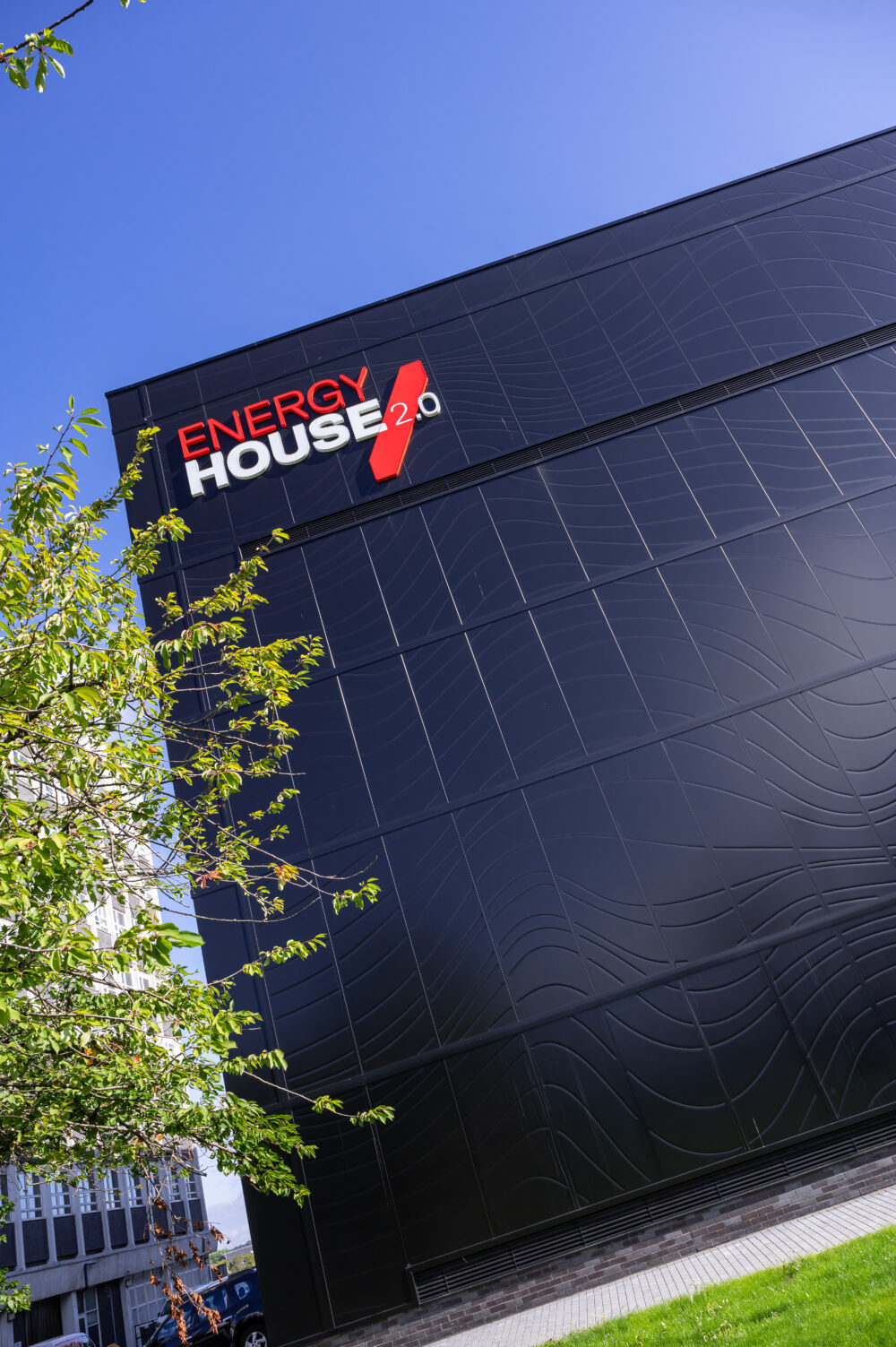
The school collaborates across the University to tackle some of the biggest issues facing society today. Building a sustainable future is the key priority. From Energy House 2.0 to our pioneering acoustics, sustainable aviation and our work on disaster risk reduction, we aim to improve lives and ensure a greener future for us all. We are a centre of discovery and innovation, with a broad portfolio across the span of computer sciences, engineering, built environment and science.
Our school community is diverse, with students and colleagues from all over the world. Equity, inclusivity and diversity is at the heart of everything we do. Our outreach teams work collaboratively with partners locally and globally to engage students from diverse backgrounds, with a particular focus on attracting more students from minoritised ethnic groups and deprived backgrounds, as well as more women into STEM.
Since our inception, we have worked with industry to offer courses driven by the real-world, now we’re supporting industry to tackle some of the major environmental challenges of our lifetime. By joining our school, you can be part of our exciting journey, with the future of people and the planet at the forefront.





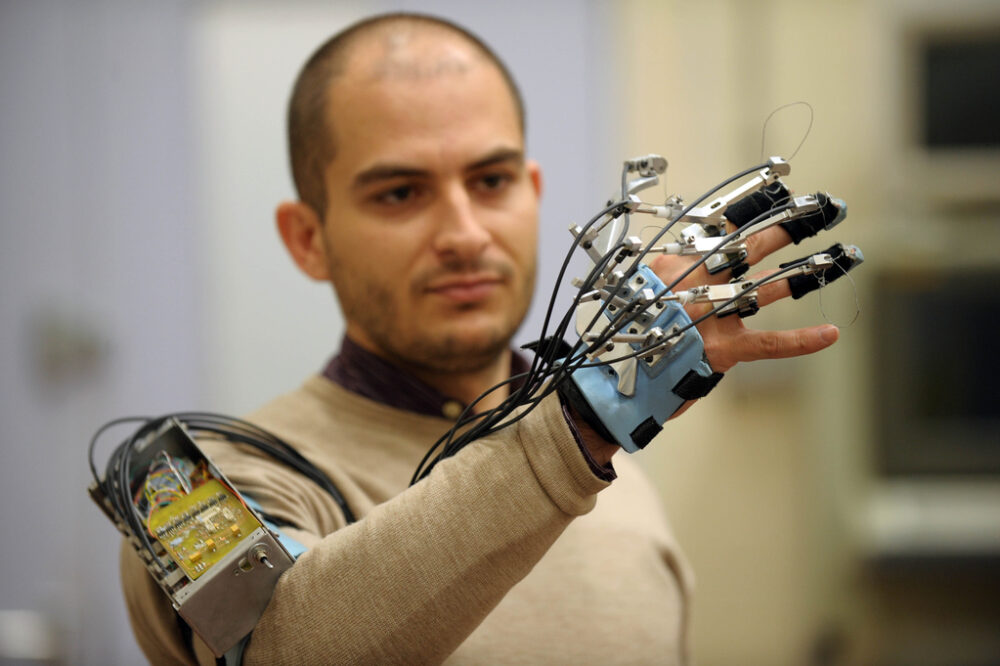
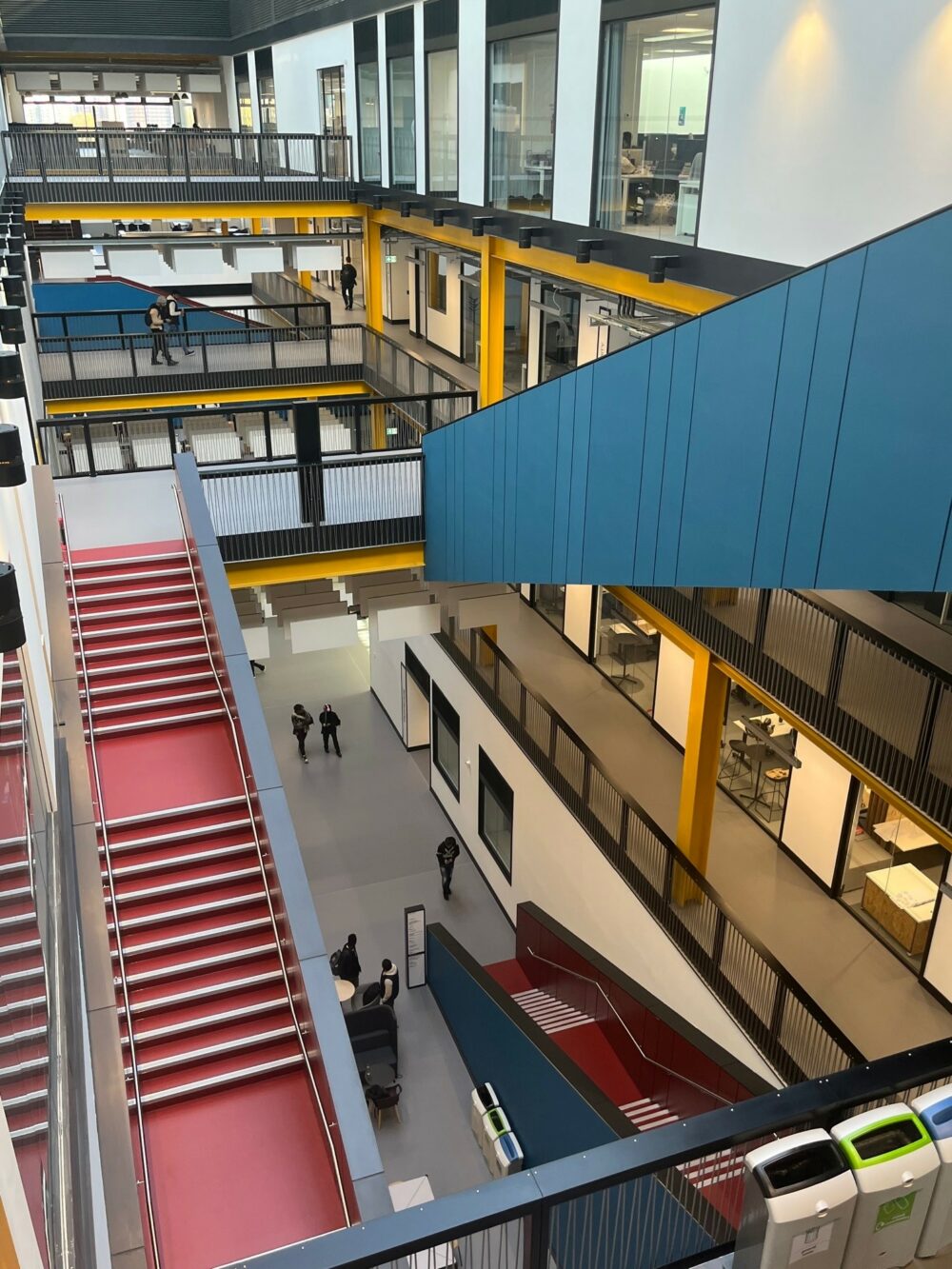
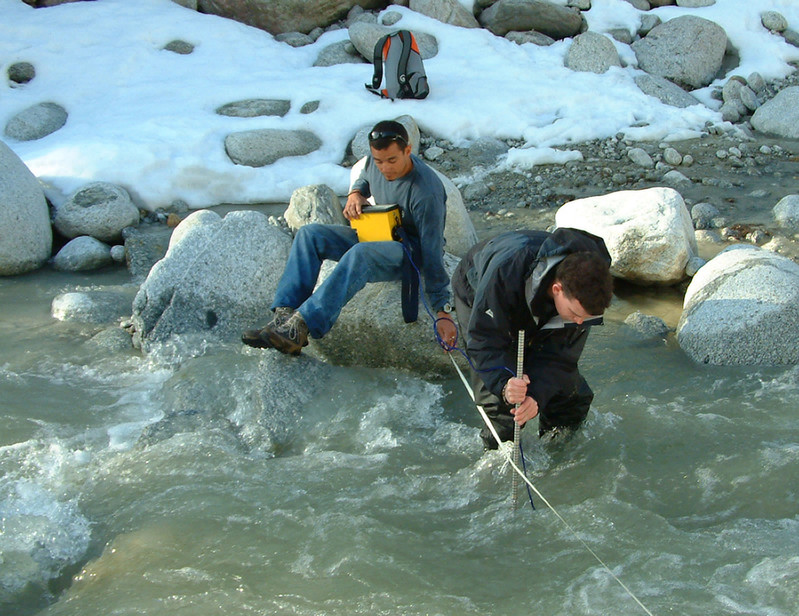
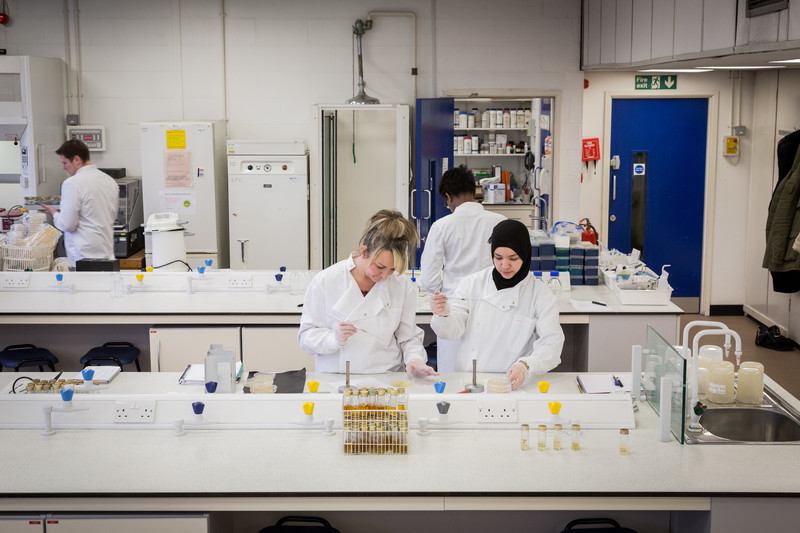


Our Purpose: Innovating to Enrich Lives
Building towards social justice to create a more just and equitable society.
Our aspiration: Outstanding quality and worldchanging outcomes that will enable:
Ultimately our goal is innovating towards a more sustainable, equitable, just, healthy, creative and prosperous society.
More information can be found here: University of Salford Strategy 2025-2030
We have a commitment to becoming NetZero Carbon by 2038 and are part of the carbon revolution which will transform Greater Manchester into a world-leading greener, cleaner, climate resilient city region.
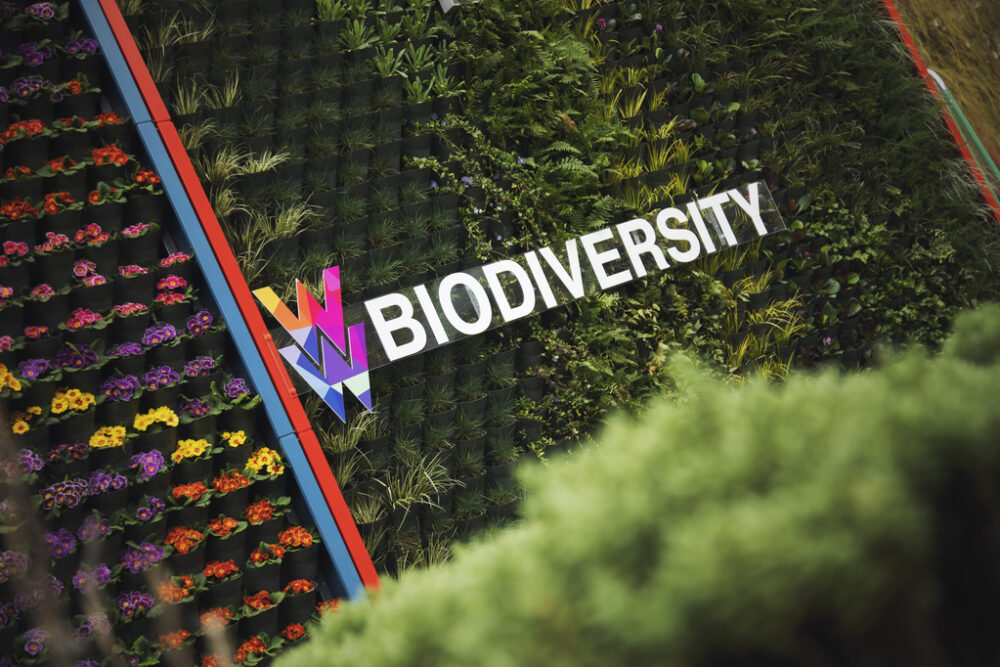
Sustainability is fundamental to everything we do from our research, teaching, projects and our campus. We’re working together with our partners to ensure a more sustainable future both locally, nationally and globally.
As a member of the COP26 Universities Network we work with our partners to ensure the academic sector had a strong voice for tackling the climate crisis prior to, and during, United Nations International COP26. Our Energy House Laboratories and the IGNITION Living Lab were recently featured as part of a Climate Innovation Showcase throughout COP26.

Professor Will Swan is the Director of Energy House Laboratories (EHL) and sustainability lead at Salford. Will is a member of a number of groups concerning retrofit and energy efficiency of buildings; he was one of the founder members of the UK Building Performance Network, is Chair for the Low Carbon Buildings Challenge Group in Greater Manchester, and a member of the Retrofit Task Force.
A focus on Living Lab
Ignition Project – Making our campus more environmentally friendly
Our location in Salford sets us apart. Just 2km from central Manchester, we are proud to be part of one of the most diverse city regions in the UK with over 200 languages spoken.
Our colleagues are fortunate to live and work in one of the most vibrant areas in the UK, a thriving centre of digital innovation, excellent schools and colleges, and with affordable city, suburban and rural living options to suit a wide range of lifestyle choices.
The city region has a proud history in science, politics, music, arts and sport and is a city of culture, diversity and opportunity. We are proud to partner with a wide range of organisations across the region and beyond.
There are great transport links both in and around Greater Manchester. Furthermore, we offer a packed calendar of world-class events and festivals to discover.
Our Peel Park Campus
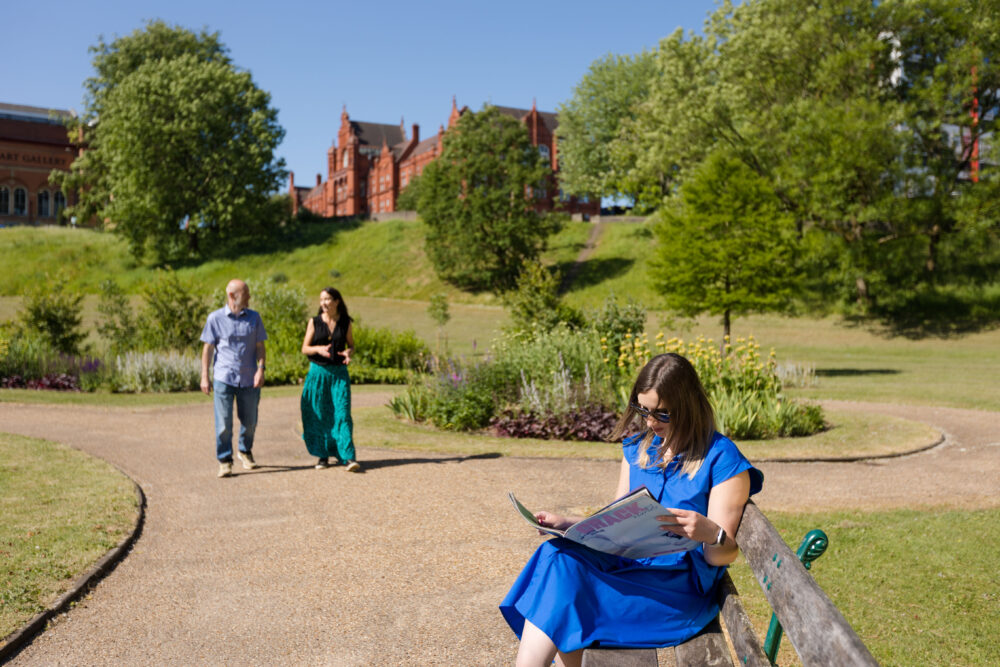
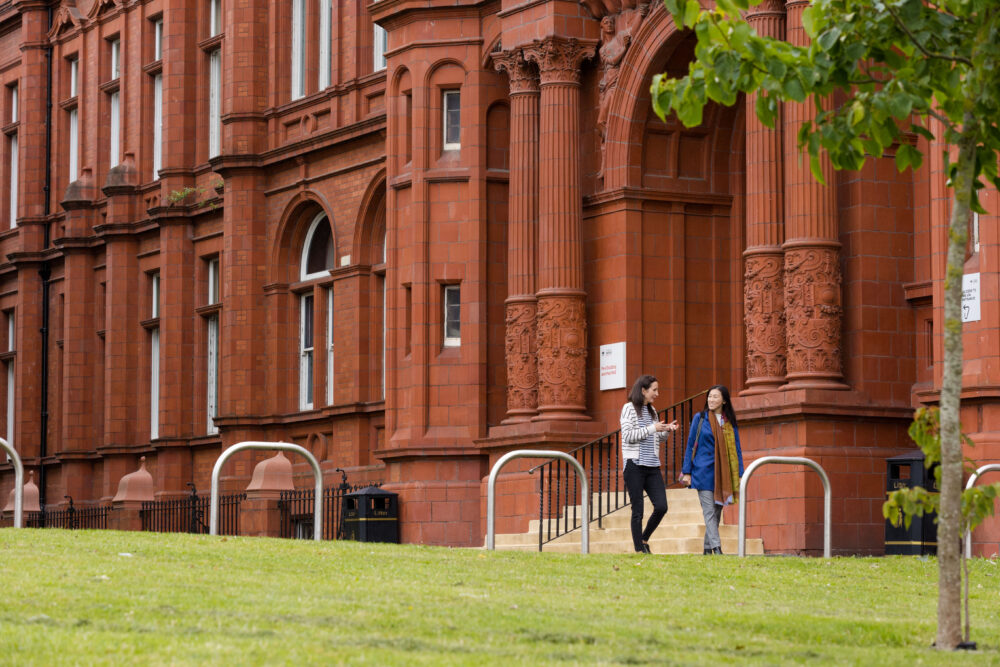
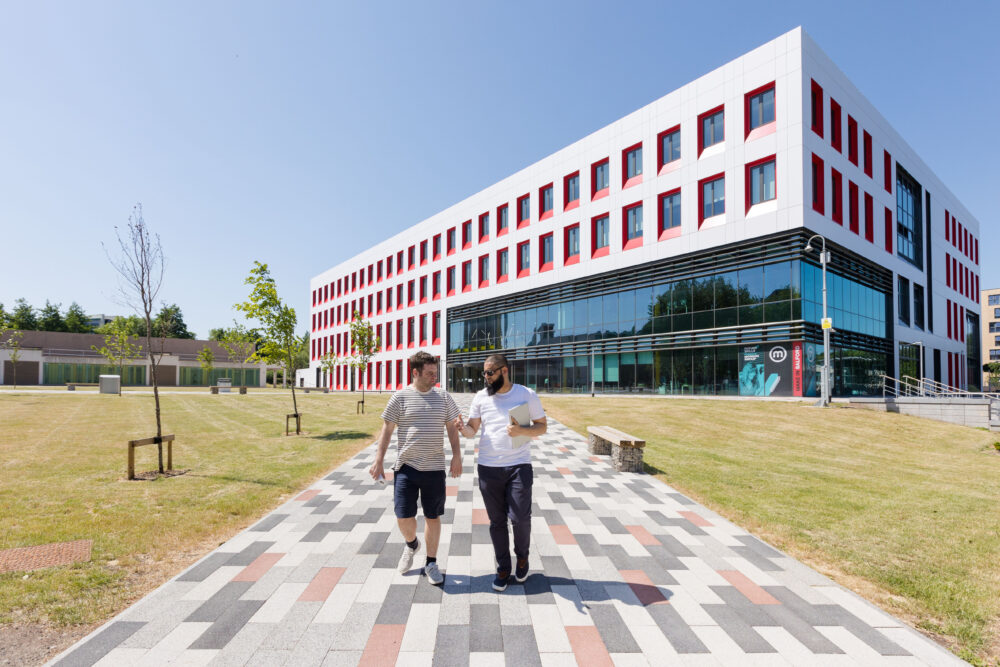
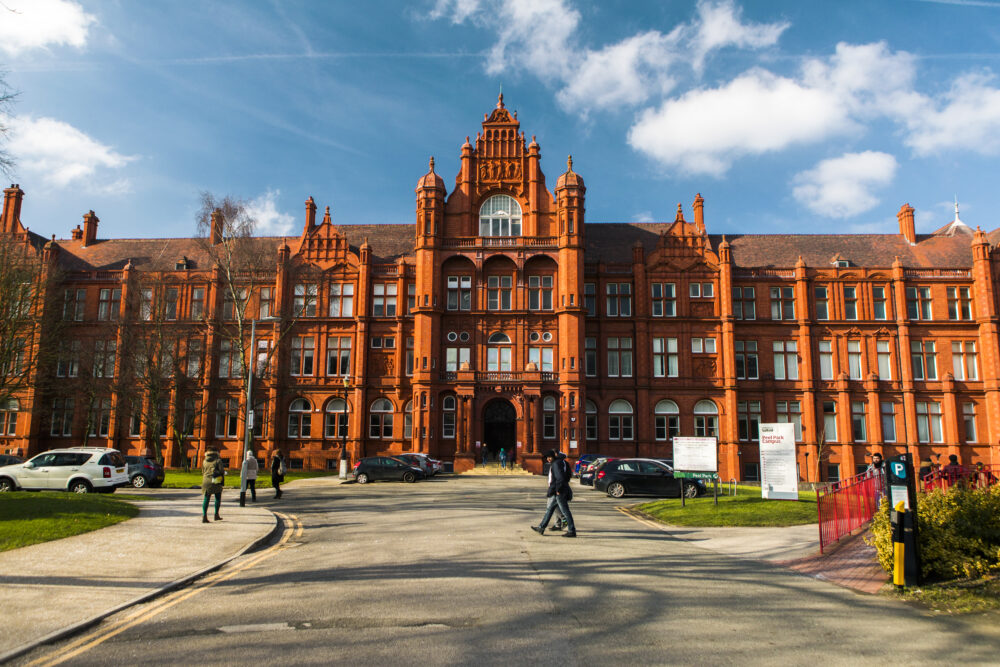
We are a campus university, and our Peel Park campus is unique, offering lots of green spaces to explore. There are an array of amenities on site, from eateries to our sports centre, museum and library.
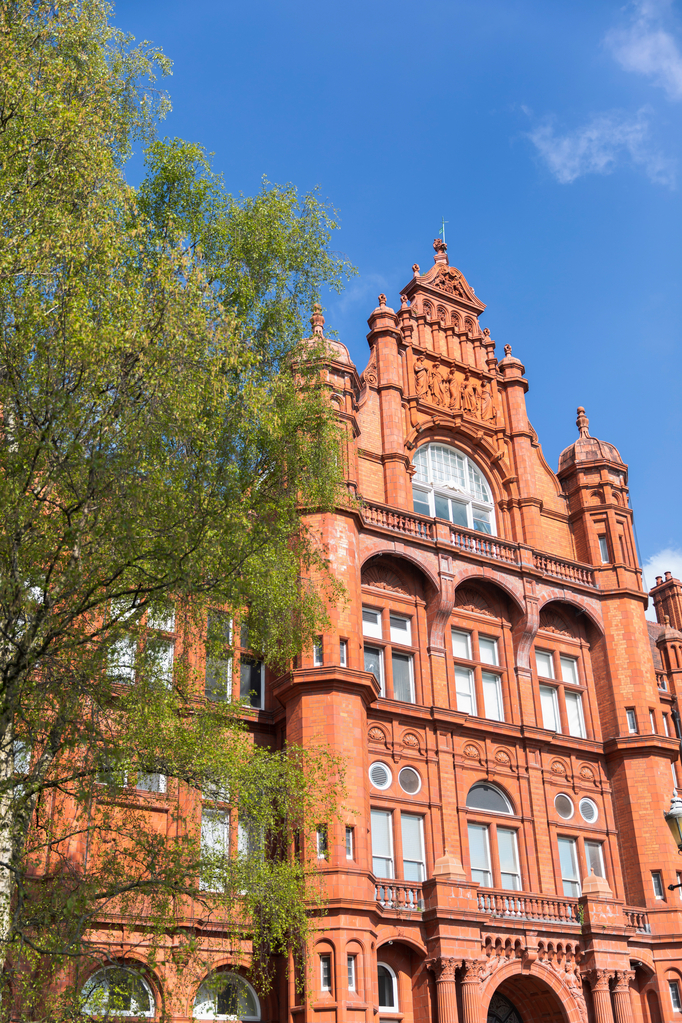
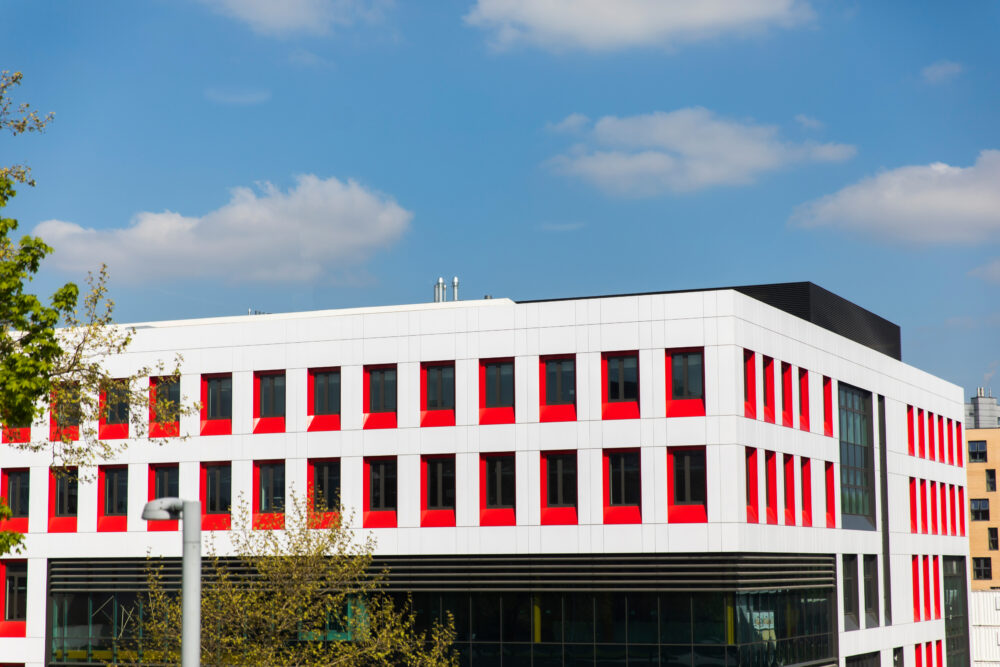
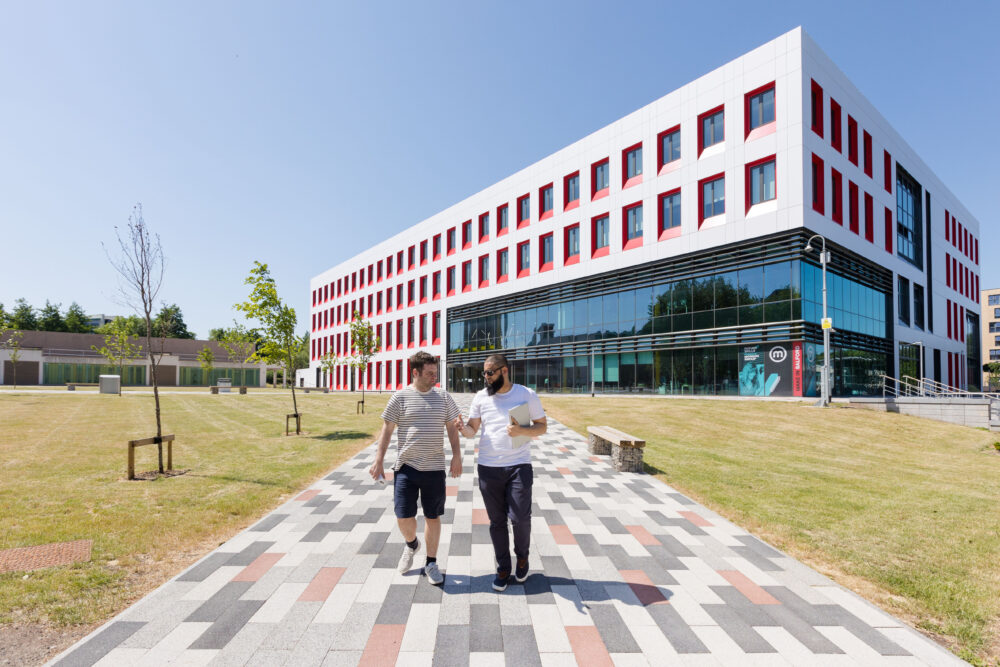
Our £55million New Adelphi building is a North West hub for talent, academia, and creativity and sits alongside the recently opened £65million new Science, Engineering and Environment building, which serves as a centre for discovery and innovation.
Our MediaCity Campus
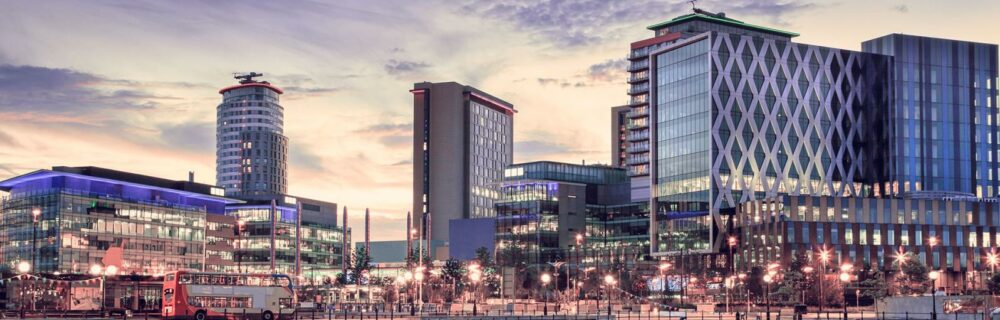
Our MediaCity campus is at the heart of one of the country’s leading digital and media cores – sitting right next to neighbours such as ITV and the BBC.
The campus is home to our renowned undergraduate and postgraduate Film, TV and Media, Creative Digital Media and Gaming, and Journalism degrees.
This high-tech, sustainable and accessible MediaCity building is a North West hot spot for talent, academia, and technology which is supported. by a thriving media industry in Greater Manchester.
Future Investment
To further enhance our Peel Park and MediaCity campuses, we are investing in our people and our infrastructure to ensure that we have the means to deliver on our ambitions.
We will transform our campus and the surrounding city district through our Campus Masterplan, creating a new city district that will bring together industry, education and innovation.
Together with Salford City Council and The English Cities Fund we have committed to a £2.5bn 20-year Crescent regeneration programme which will provide spaces for teaching, innovation, commercial, residential, green space and sustainable travel that will drive economic and social prosperity in the region and reduce carbon emissions.

The School of Science, Engineering and Environment (SSEE) is a centre of discovery and innovation. Real-world focus is integral to our learning approach. Alongside industry practitioners, we strive to create enriched and tailored opportunities for our students through live projects, collaborative events and work placements, to enhance their future employability and success.
Our courses attract students from all over the world and our alumni community is an active global network of innovators and pioneers, at the heart of change for a better future. Our Research and Knowledge Exchange Centres work together to collaborate around the world’s greatest challenges including Net Zero, Climate Change and Resilience, Healthy Living and Industry. Our focus is on translating our pioneering research into real-world impact for people and industry and our research is recognised as world leading. With an expansive and international portfolio of research, plus world-class test facilities such as Energy House 2.0, Northern Engineering and Robotics Innovation Centre (NERIC), and the Acoustics Research Centre, we are at the forefront of pioneering discovery, nurturing the next generation of industry leaders.
Read more: Careers at the School of Science, Engineering and Environment | University of Salford
Our subjects explore and determine solutions to fundamental societal challenges, including sustainability, climate resilience, renewable energy and materials, artificial intelligence and cyber security. All supported by advanced expertise in natural sciences, engineering, computing and mathematics, hosted in state-of-the-art facilities.
We have key partnerships with sector leading companies across our school. Working directly with industry goes to the heart of what we do, with our modern lab spaces and newly opened engineering and robotics facility atNERIC we are working to help businesses, in our region and beyond, refine their ways of working and improve efficiency, creating jobs and boosting the economy. Real-world focus is integral to our learning approach, we strive to create enriched and tailored opportunities for our students through live projects, collaborative events and work placements.
Alongside a diverse degree portfolio, we have a strong apprenticeship offer with our Siemens BEng Control and Automation Degree Apprenticeship programme recently reaching its 100th graduate. We also hold a key position in the Greater Manchester Institute of Technology (GMIoT), which offers specialist higher level technical qualifications in computing, construction and engineering.
Widening Participation runs through the DNA of the school. We are committed to breaking down barriers to HE, ensuring a diverse student body. We also have a strong presence internationally, attracting a large community of students from across the world to Salford and also offering our degrees through partnerships overseas, to include our partner campus, the British University of Bahrain. Students who study with us are at the heart of change for a better future.
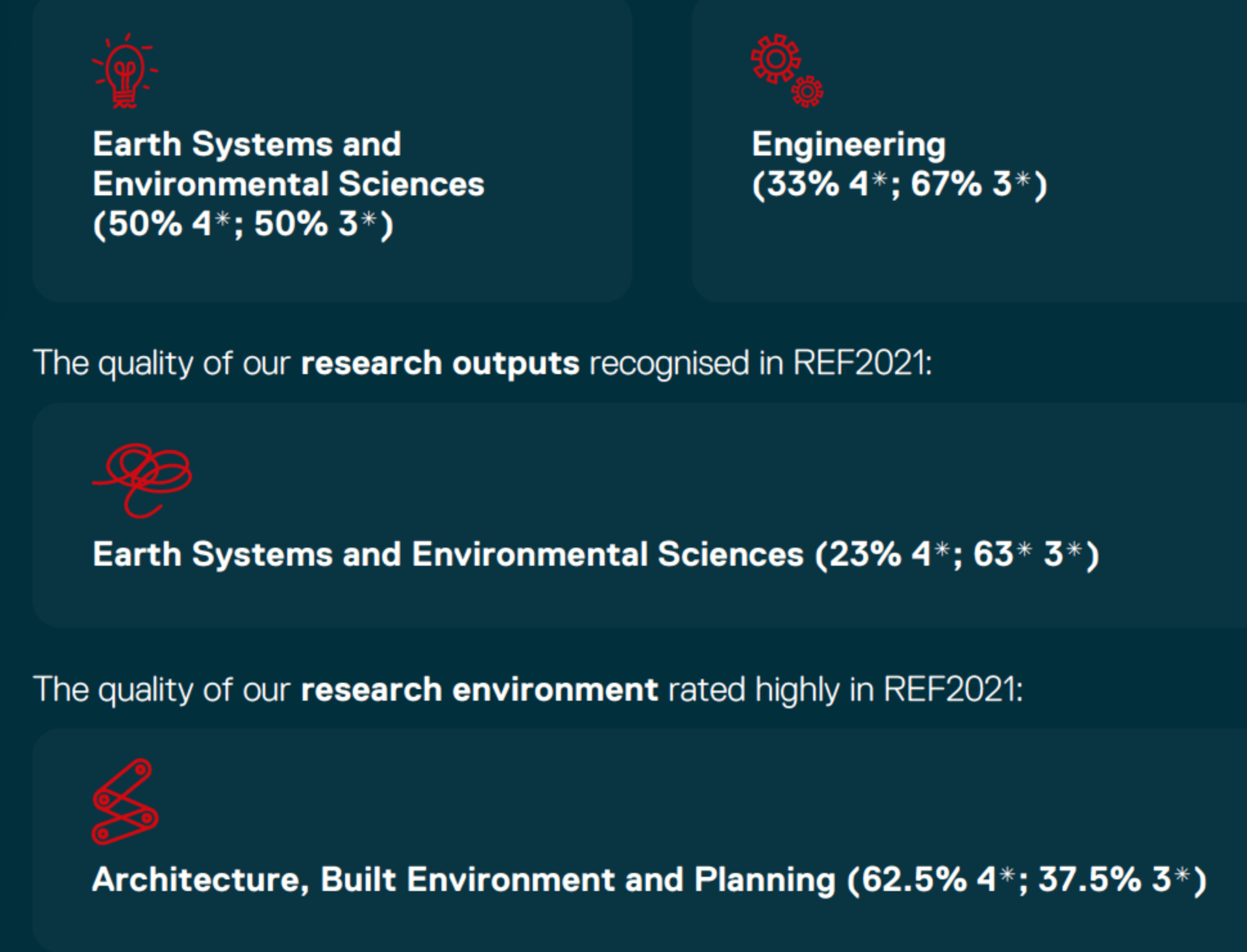
School Research Highlights REF2021
Impact submissions regarded as 100% outstanding or having very considerable impact:
Industry collaboration key to our research delivery and impact. Our partnerships help us to deliver innovative research, share expert knowledge and develop specialist facilities to enrich our students’ learning.
Spanning advanced robotics and the development of smart built environments, our research exemplifies how our industry-focused collaborative approach can tackle many of the global challenges we face.
A focus on Acoustics
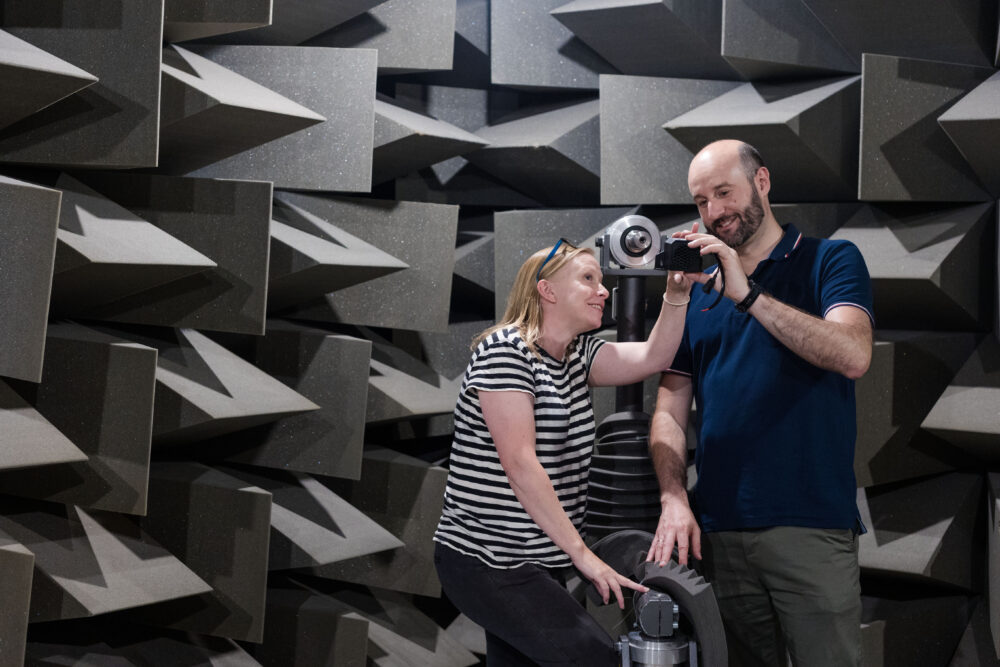
Our school is home to one of the largest acoustics research groups in the world. Over the past 60 years the world-leading commercial and grant funded research carried out by our team at Salford has helped children to focus at school by reducing the amount of noise legally permitted in learning environments. It’s created ingenious spin out companies like Carbon Air, has enhanced the acoustics of national concert venues such as the Royal Albert Hall and has sought to improve accessibility issues for people with hearing impairments.
Our world-class acoustics laboratories allow us to address research problems regarding poor acoustics, environmental noise and building acoustics leading to an extensive set of industry partners and collaborations. Our research feeds into products manufactured and sold worldwide, as well as regulations and standards used in the UK, Europe and internationally. The research centre is also one the founding partners of the BBC Audio Research Partnership and part of the National Institute for Airborne Acoustic Metrology (NIAAM).
As part of our campus masterplan, there are also ambitious plans for a new acoustics centre to house and expand our world leading research. Find out more
A focus on Energy House
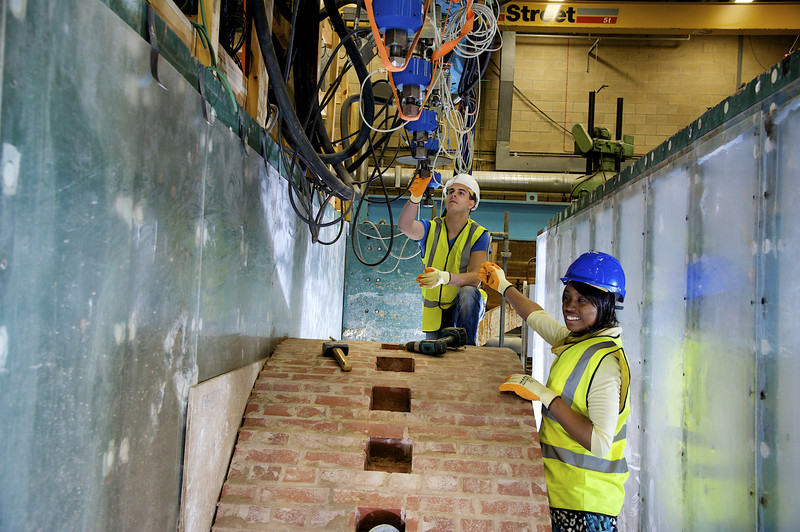
With the built environment accounting for 40% of the UK’s carbon footprint, our Energy House Laboratories support the development of. innovative products that can make homes more eco-friendly, energy efficient and well insulated. The research and testing facilities enable the assessment of both retrofit technologies and new build solutions for the future, including low carbon and net zero housing design.
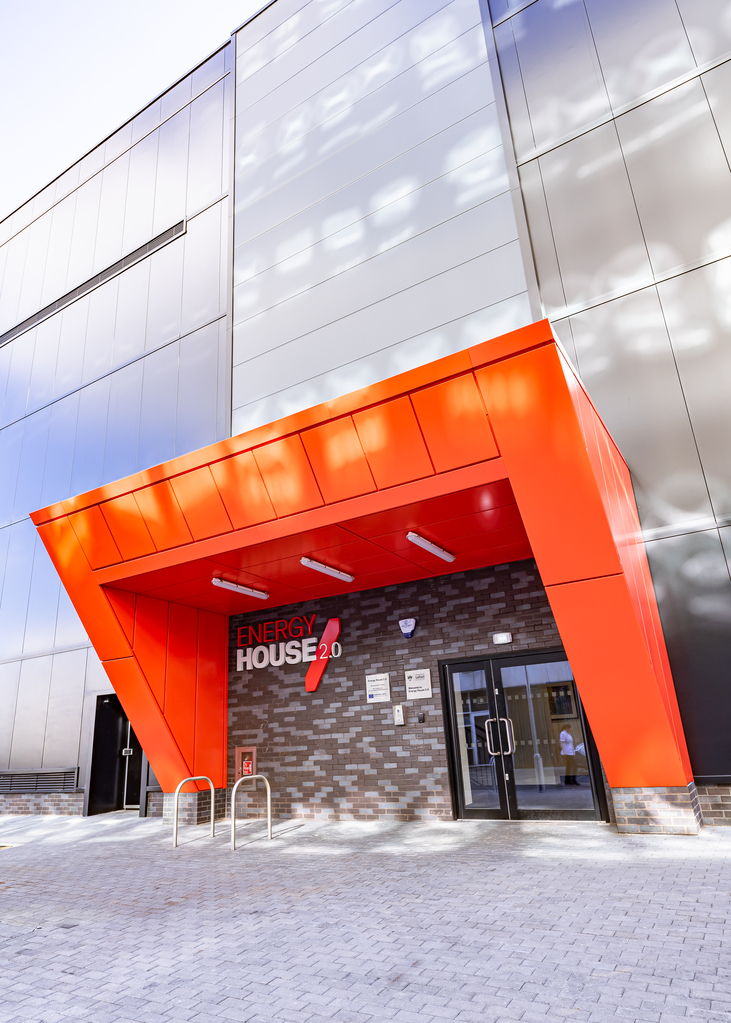
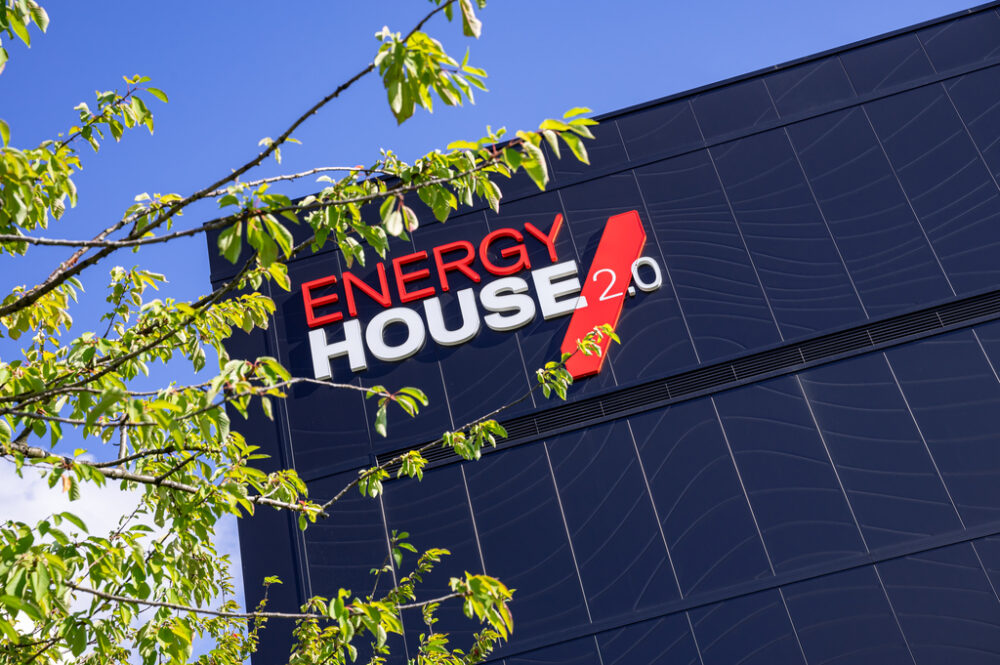
Energy House 2.0 is a unique purpose-built testing facility designed to help create the energy efficient homes of the future. At a cost of £16million, Energy House 2.0 is the largest research and test facility of its kind in the world.
The facility hosts leading research and testing in tightly controlled conditions, providing new ways of powering, heating and insulating homes to make them more efficient. This research is helping to meet new standards which require a significant reduction in carbon emissions for new build homes from 2025. Find out more
We have made significant recent investment into new buildings and facilities, with more than £100million invested in the last 5 years. Our innovative learning and research environments are leading the way for cutting edge research and teaching and are home to expertise in robotics, digital transformation and sustainability.
Find out more about our facilities.
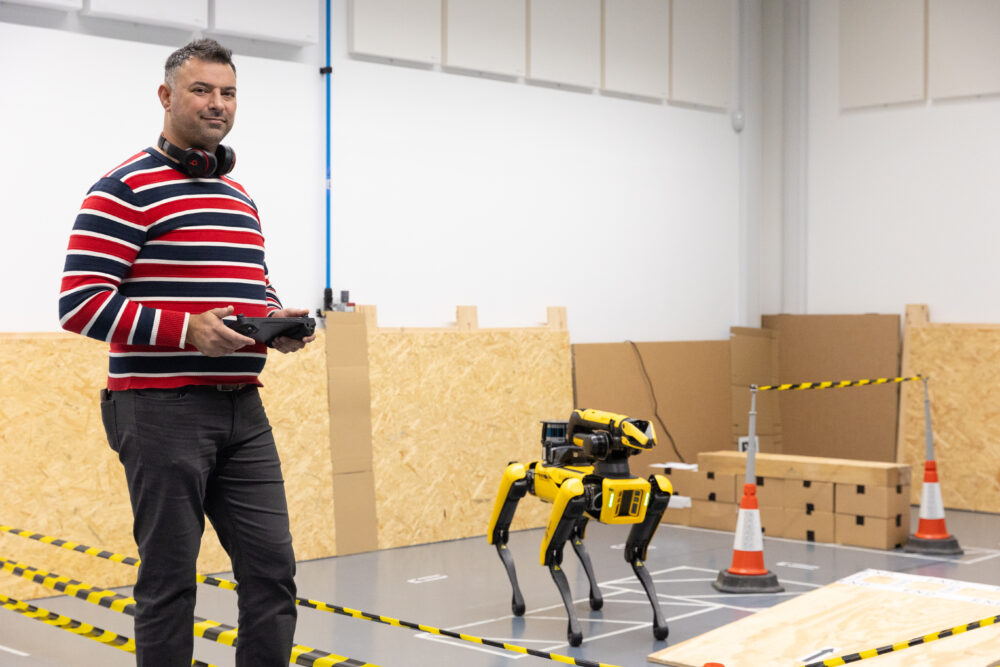
The Northern Engineering and Robotics Innovation Centre (NERIC) is a state-of-the-art innovation hub dedicated to helping businesses—especially small and medium-sized enterprises (SMEs)—harness the power of robotics, automation, advanced manufacturing and advanced materials. Backed by the region’s industrial strategy and enabling grants, including the European Regional Development Fund (ERDF), Research England Development (RED) funding and Greater Manchester Combined Authority (GMCA) investment, NERIC empowers local SMEs to de-risk innovation, accelerate technology adoption, secure grant and investment pathways, and translate academic capability into commercial outcomes
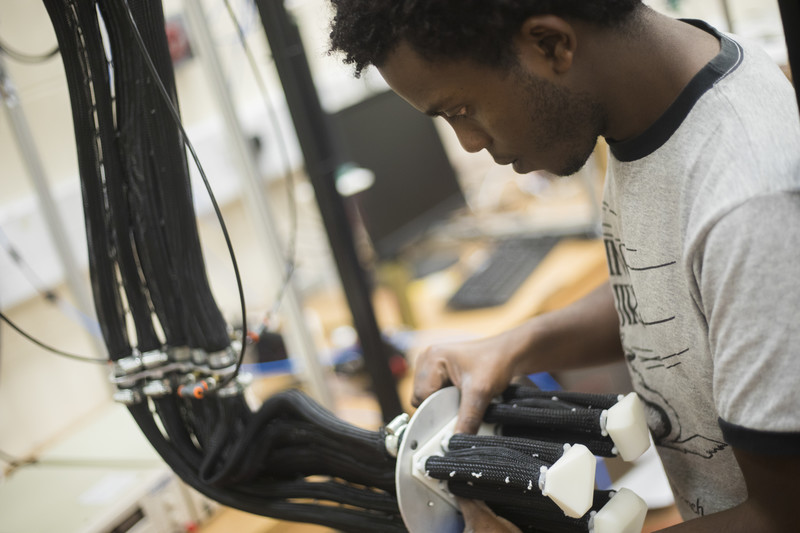
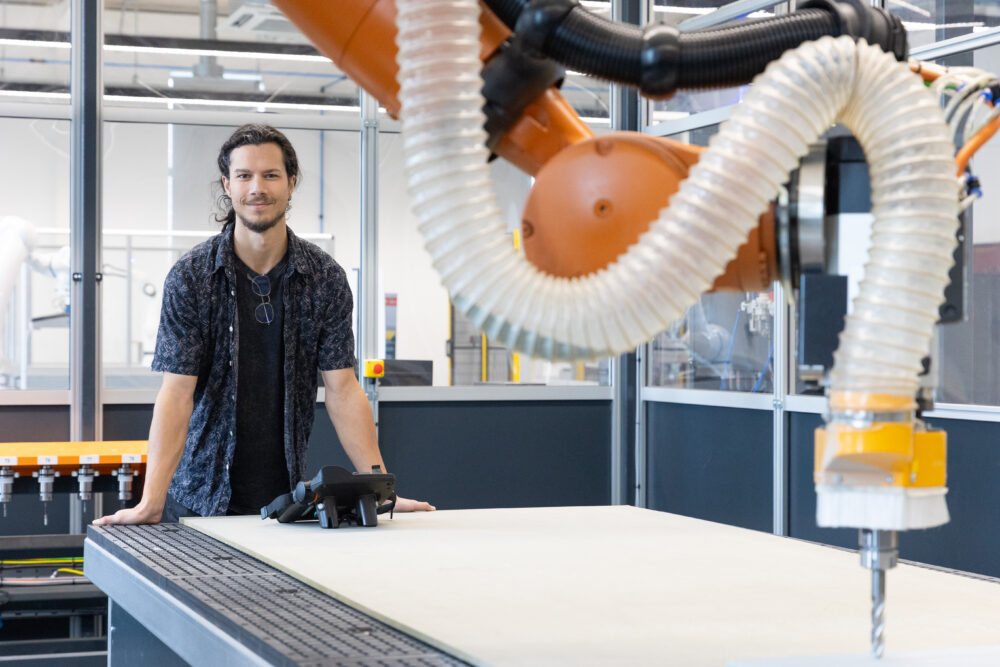
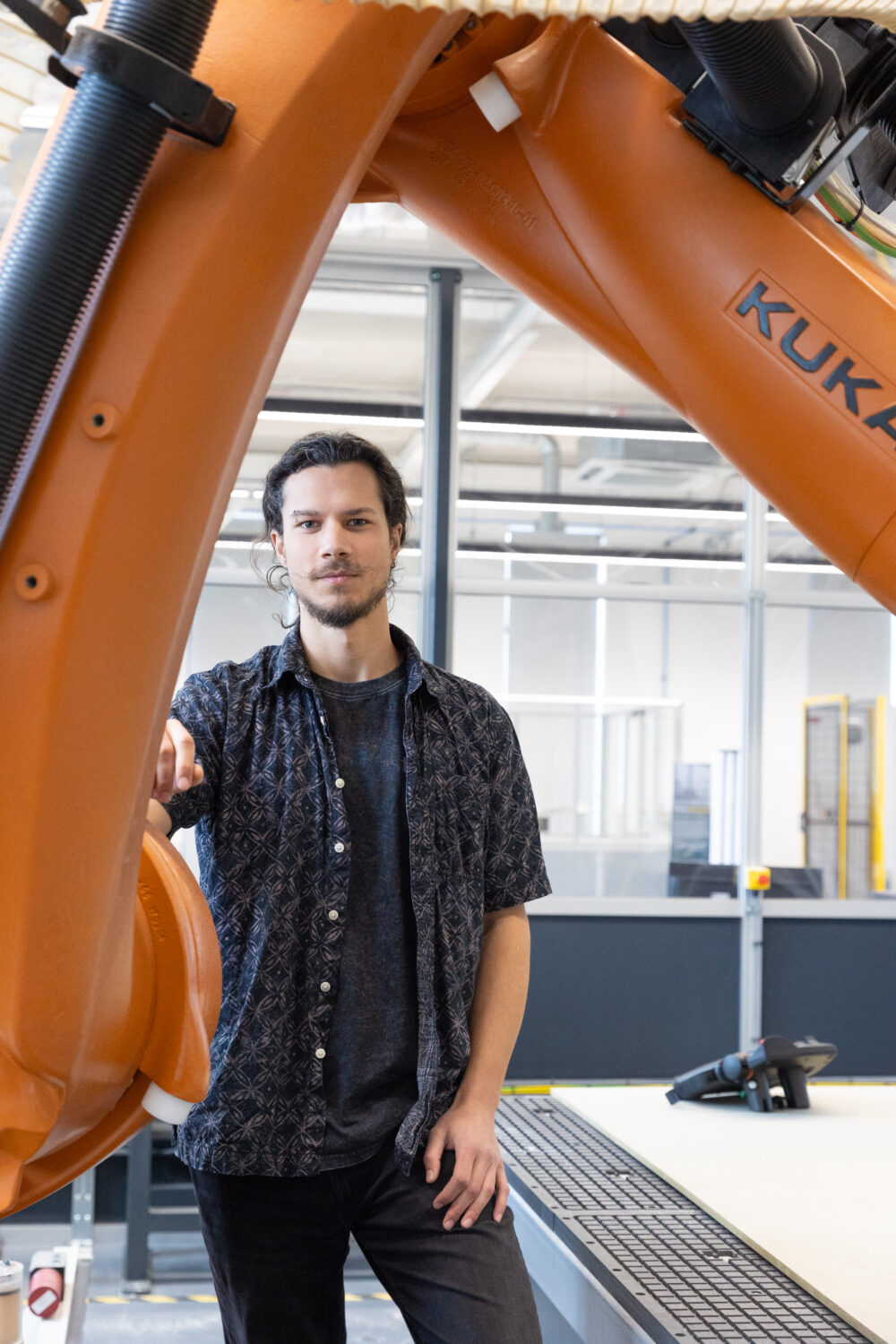
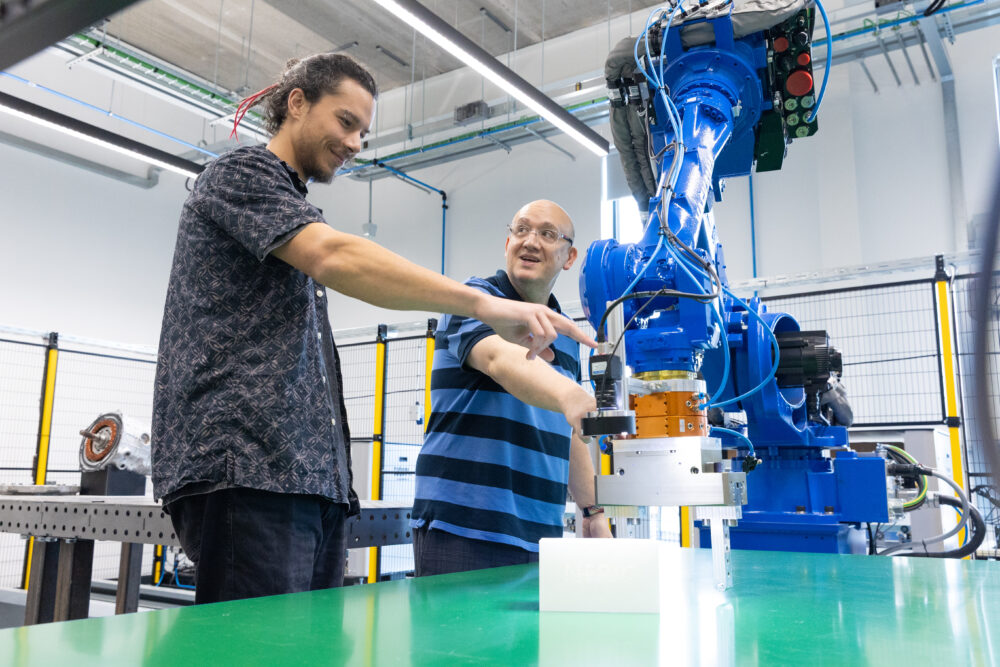
The centre’s purpose-built robotics and manufacturing laboratories provide companies with access to industrial robot cells, mobile and collaborative robots, metrology and advanced manufacturing capabilities, to enable the design, testing and validation of new processes and products.
NERIC has also invested in a new microfabrication cleanroom and laboratory facility to expand its offer into electronics, photonics, microsystems and advanced materials. Serving as a vital bridge between academia and industry, NERIC connects the University of Salford’s School of Science, Engineering & Environment (SEE) research strengths with real-world industrial challenges across Greater Manchester’s advanced manufacturing, robotics, intelligent infrastructure and digital automation sectors. These links draw upon SEE expertise in areas such as AI-enabled automation, composites, metrology, transport, thermofluids and assistive technologies.
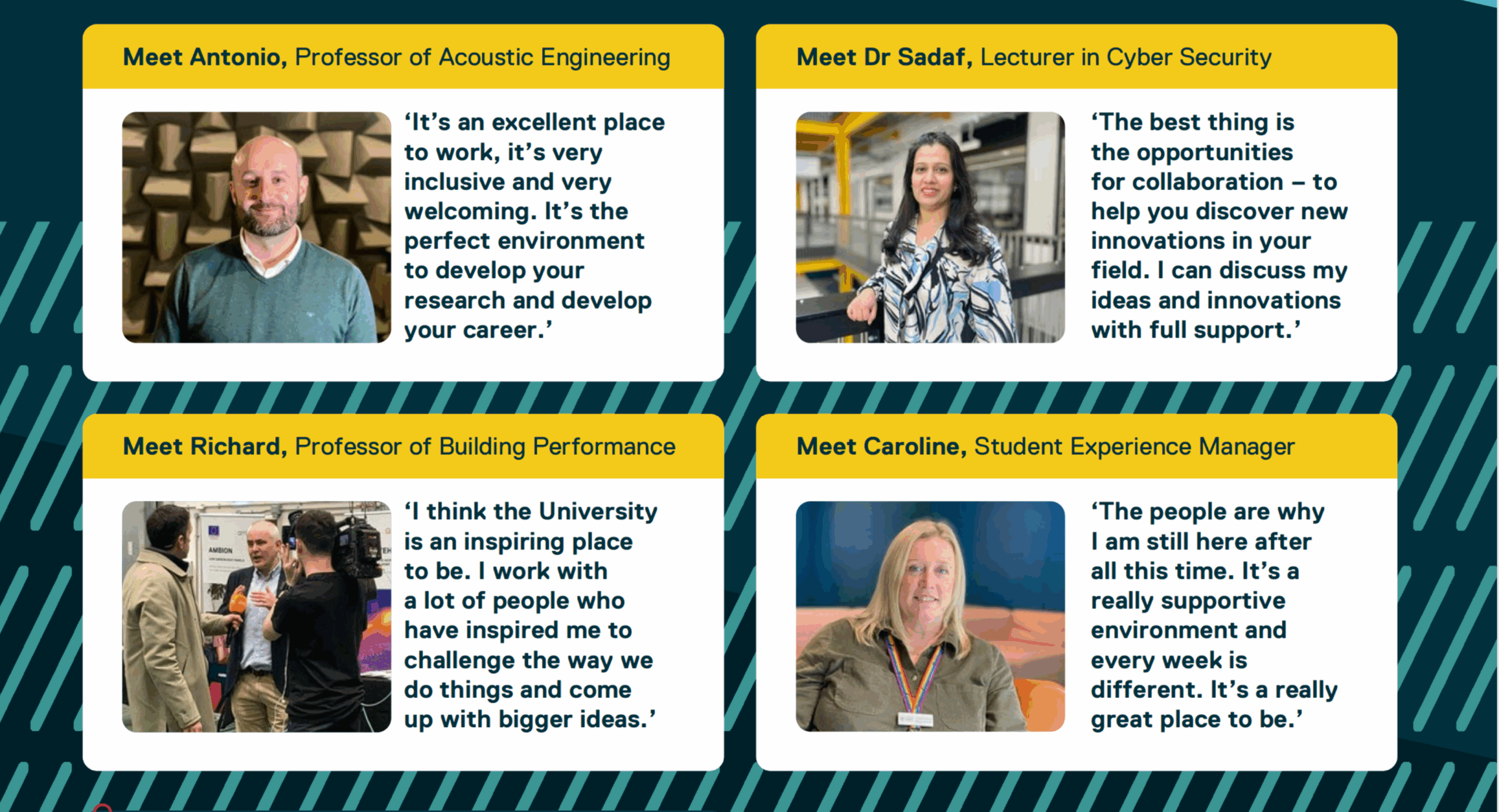
Our school is a vibrant, diverse international community. Our colleagues bring a wealth of knowledge, expertise and experiences, and together we share a passion for improving lives and the planet.
Our Expertise
Our work is truly interdisciplinary. Industry collaboration is at the core of what we do. This is combined with a passion for research and finding solutions to realworld problems and those that we may face in the future.
The breadth of our expertise and impact is vast. In the last twelve months we have opened a new Robotics Innovation Centre, which works with businesses to. generate productivity gains, as well as the unique and world leading Energy House 2.0, which is contributing towards Net Zero housing with its climate controlled testing chambers. Our world-class acoustic facilities are designed to meet the highest technical specifications and measurement standards, and our work on the Environment is also award-winning to include the transformation of river catchment areas.
We nurture the next generation of brilliant minds, bring innovation. to industry and transform livelihoods in our communities.Everyone in our team contributes to our journey, from our professors, lecturers and research experts, to our student support advisers and our professional services team, who are the engine room of our school.
By joining us, you will be part of an innovative, curious and collaborative team, with a shared passion for a more sustainable future.
Wellbeing
At Salford, our people make us. This is why wellbeing is so important to us – we want our people to thrive. We recognise and value individuals and will. support you with your needs and goals. We offer ways of working to suit you, as well as a wide range of extensive services and benefits to support your physical and mental health, and your financial wellbeing.
Equity, Diversity and Inclusion
Equity, diversity and Inclusion (EDI) are at the heart of everything we do at Salford, and growing, maintaining and developing a diverse community is a key priority for us. We are actively working to ensure our University is an inclusive, innovative, and empowering environment where everybody thrives.
JOB DESCRIPTION
Role Title: The Robert and Ann Oxley Professorial Chair in Engineering
Reports To: PVC Dean or their nominee
Overview
The University of Salford invites applications from Electronics Engineering researchers for the distinguished Robert and Ann Oxley Professorial Chair in Engineering, based within the Northern Engineering and Robotics Innovation Centre (NERIC), part of the School of Science, Engineering and Environment (SEE). This is a unique opportunity for an internationally recognised researcher to contribute to the continued growth of applied research and innovation in engineering, robotics, automation, and intelligent systems.
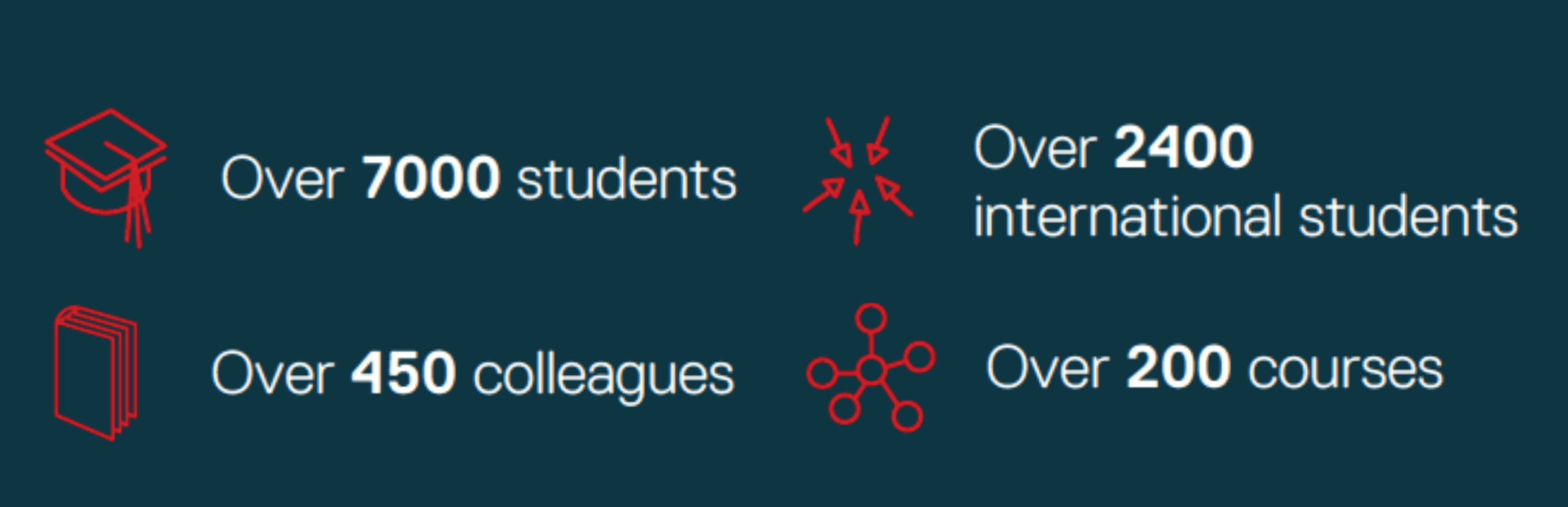
With a broad portfolio across engineering, computer sciences, environmental sciences, sustainability and the built environment, SEE is one of the largest schools within the University. Home to over 7000 students and over 450 colleagues from all over the world, our school community places equity, inclusivity and diversity is at the heart of everything we do. Our Research and Innovation Centres recognise the power of collaborative advantage, working with internal and external partners to accelerate positive change and develop as a connected community. Together we tackle major global challenges, including Net Zero, Climate Change and Resilience, Healthy Living, and Clean Growth. Our research is recognised as world leading, and we are committed to translating our pioneering research into real-world impact for people and industry.
NERIC is a purpose-built centre supporting academic and industrial collaboration in areas such as robotics, advanced manufacturing, functional materials, microtechnology, intelligent sensing, and autonomous systems. Supported by the Greater Manchester Combined Authority and other partners, NERIC provides cutting-edge engineering facilities, including industrial robot labs, manufacturing metrology facilities, and a microfabrication cleanroom. Positioned within NERIC, the Professorial Chair will play a pivotal role in driving excellence in research and innovation in electronic engineering, forging external partnerships, and supporting staff and student development.
This role is funded by a donation from the estate of Robert and Ann Oxley. The Oxley mission was to push the boundaries of thought and develop unique solutions, and the Professorial Chair should embody the spirit of creativity and innovation that is key to the Oxley legacy.
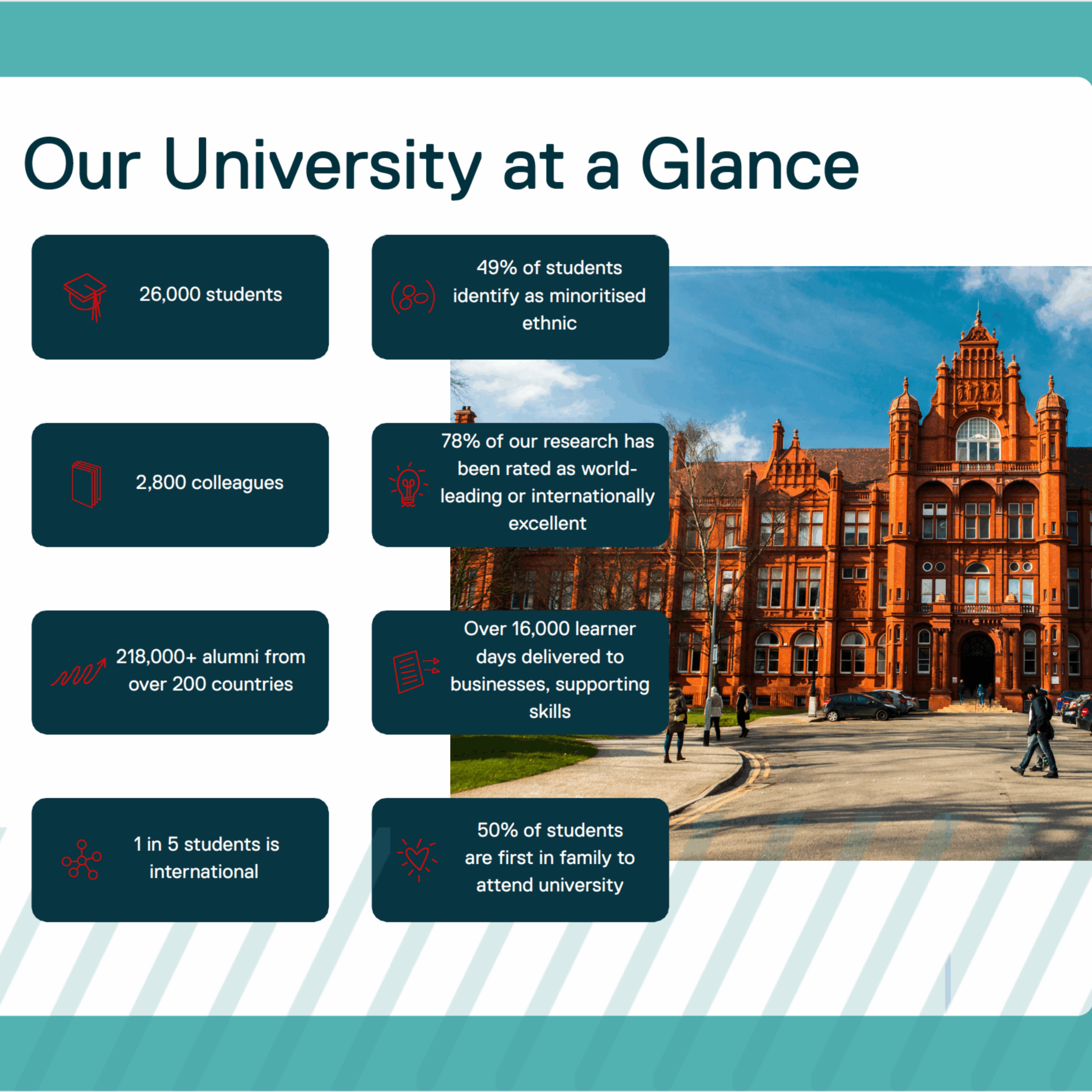
This is an exciting time to join the University of Salford. With a growing student population of over 26,000 and ambitious growth plans for research and knowledge exchange, the University continues to invest in new facilities and infrastructure, delivering an environment that supports our collaborative, inclusive and purposeful culture and enables both students and staff can excel. Our University of Salford Strategy – ‘Innovating to Enrich Lives’ – frames how we will work as an inclusive community, positioning enquiry, learning and action at the heart of all that we do. Our aspiration to deliver outstanding quality and world-changing outcomes embed the development of new knowledge and advanced technology and practice as a core element of the University’s activities. As such, both the University Strategy and the Oxley mission embrace creativity and innovation in the delivery of world-changing research and technological innovation.
Role Purpose
To provide academic leadership across a broad spectrum of research and innovation activities and to play a lead role in the development of research-informed undergraduate and postgraduate teaching.
Teaching and learning
Research and Innovation
Leadership and Management
This role detail is a guide to the work you will initially be required to undertake. It may be changed from time to time to meet changing circumstances. It does not form part of your Contract of Employment.
PERSON SPECIFICATION
Consideration should be given to the following four themes which will be tested at each stage of the recruitment process
All of the following criteria are considered essential and assessed by application / interview unless otherwise noted.
Qualifications
Background & Experience
Skills & Competencies
Details of any assessments required will be provided in the invitation to interview letter.
Candidate guidance
Strong applications will demonstrate experience relevant to the essential and desirable criteria. You should aim to be as concise and succinct as possible when providing your narrative, as this will greatly assist the shortlisting panel in reviewing your application.
The University of Salford has engaged the services of Anderson Quigley, to whom applications should be sent by the closing date of Monday 19th January 2026.
In order to apply, please submit a CV along with a supporting statement setting out your interest in the role and details of how you match the person specification. Please include the names and addresses of two referees. Referees will not be approached until the final stages and not without prior permission from candidates.
To discuss the roles please contact Ed Pritchard at 07980 817 927 or ed.pritchard@andersonquigley.com or Aino Betts at 07743 934 723 or aino.betts@andersonquigley.com.
 www.salford.ac.uk