

University of Manchester
Welcome from the School of Social Sciences
Thank you for your interest in joining the University of Manchester as Professor and Head of the Department of Law.
At Manchester, we believe that great ideas have the power to change the world. As Professor and Head of the Department of Law, you will play a key role in realising this vision, leading an exceptional community of scholars and students dedicated to advancing legal education and research that addresses the challenges of our time. Working collaboratively across the School of Social Sciences, you will provide strategic and inspiring leadership that strengthens our reputation for world-class teaching, impactful research and a transformative student experience.
We are seeking a leader who values collaboration, inclusion and intellectual ambition. You will create a positive and supportive environment where colleagues are empowered to achieve their best and where equality, diversity and belonging are embedded into everything we do. Working in partnership with senior colleagues across the School and Faculty, you will help shape academic priorities that reflect Manchester’s distinctive strengths: our commitment to research excellence, our dedication to outstanding education and our ethos of social responsibility.
This role offers the opportunity to make a lasting contribution, influencing the direction of legal research and scholarship, supporting the next generation of legal thinkers and practitioners, and ensuring that our students continue to benefit from a rich and challenging academic environment. You will also help deepen the Department’s engagement with external partners, professional bodies and the wider community, reflecting the University’s proud civic mission.
We welcome applications from legal academics with a record of leadership, research excellence, vision and a commitment to inclusivity. If you share our belief in the power of education and research to make a positive difference, we would be delighted to hear from you.
Yours sincerely


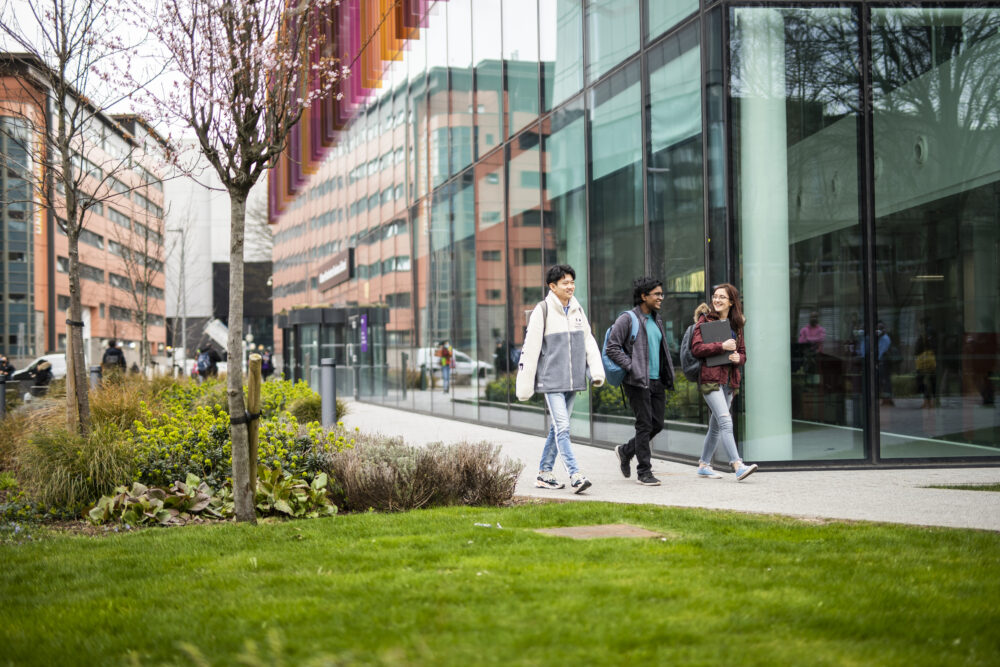






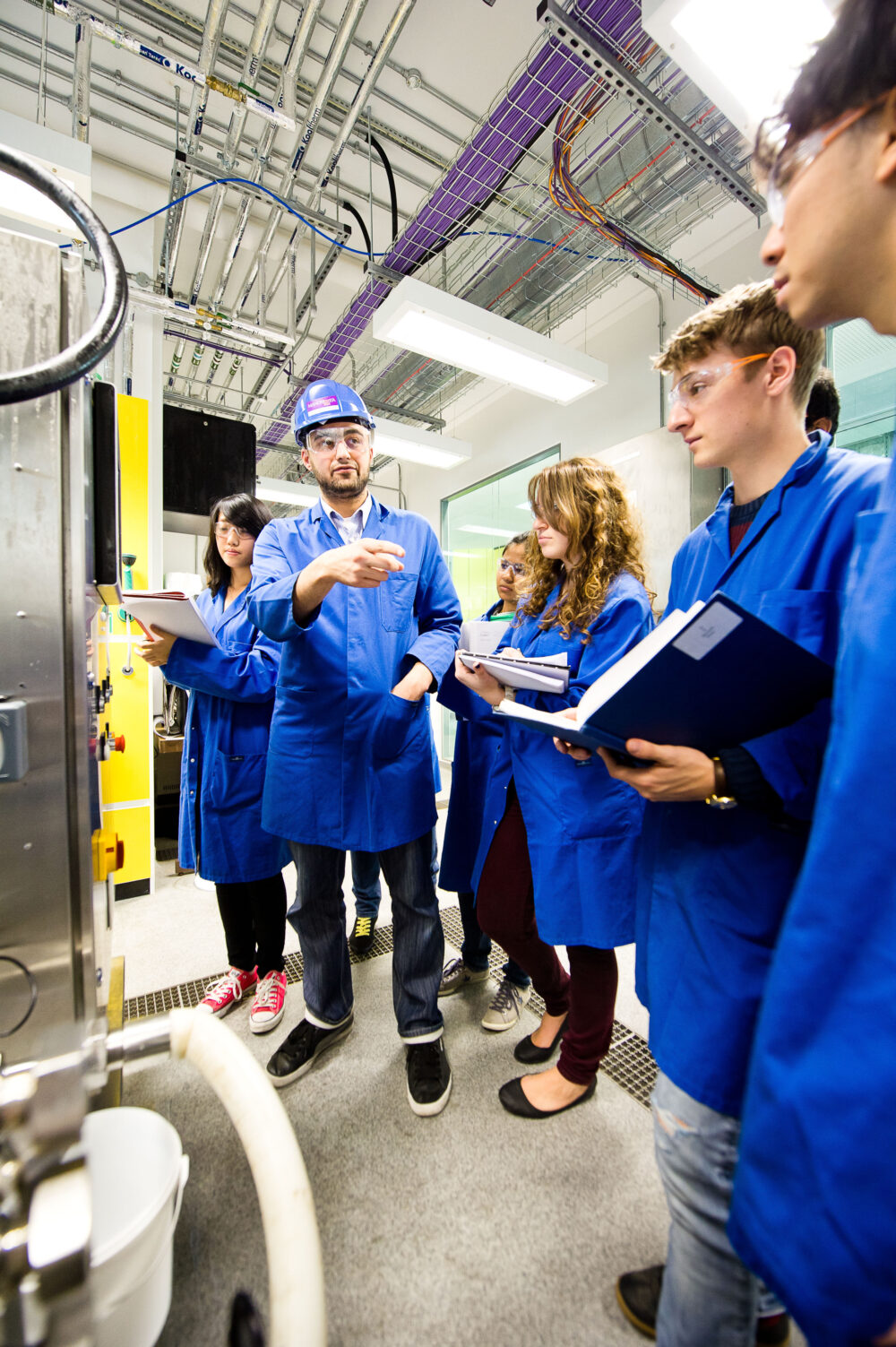

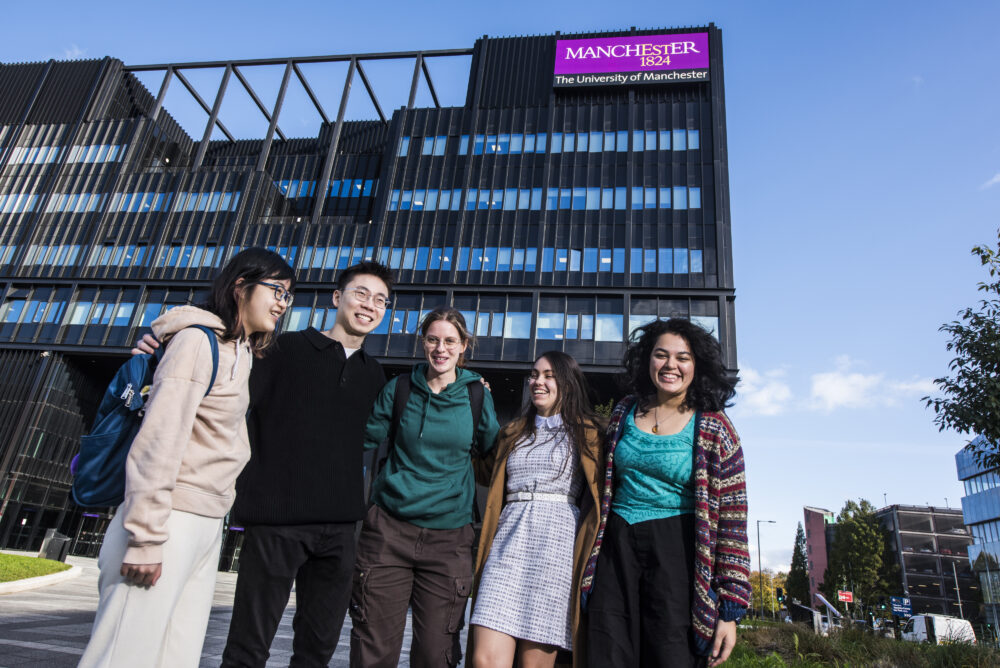
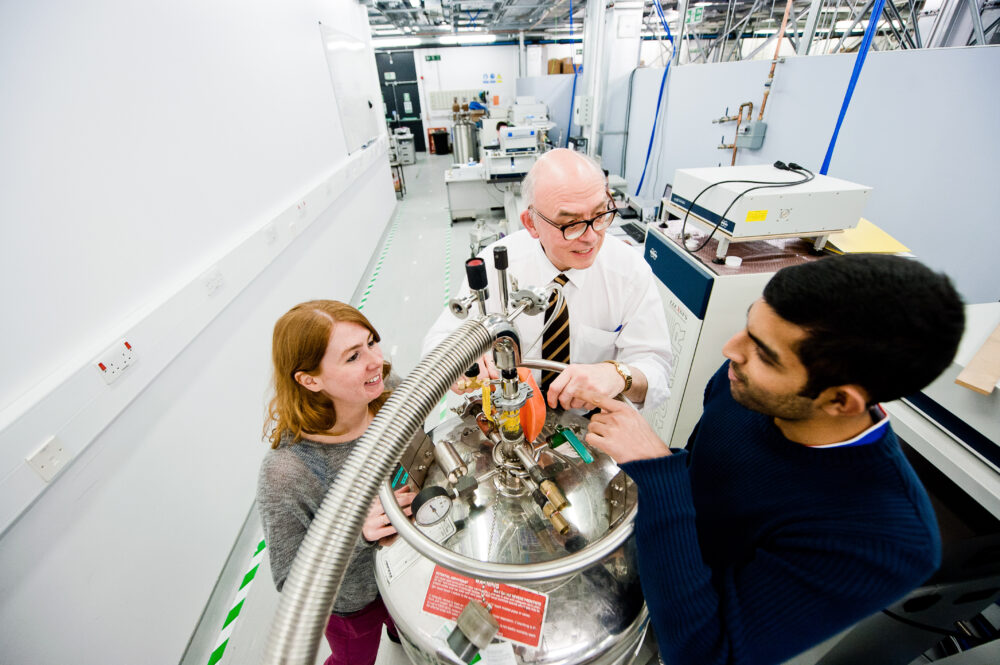

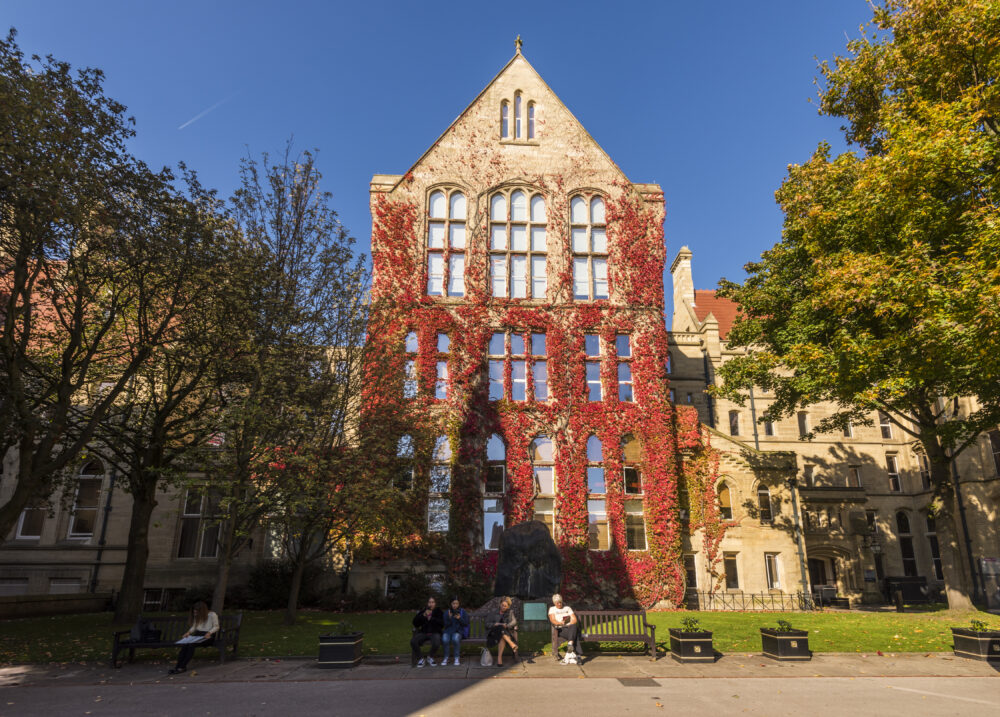
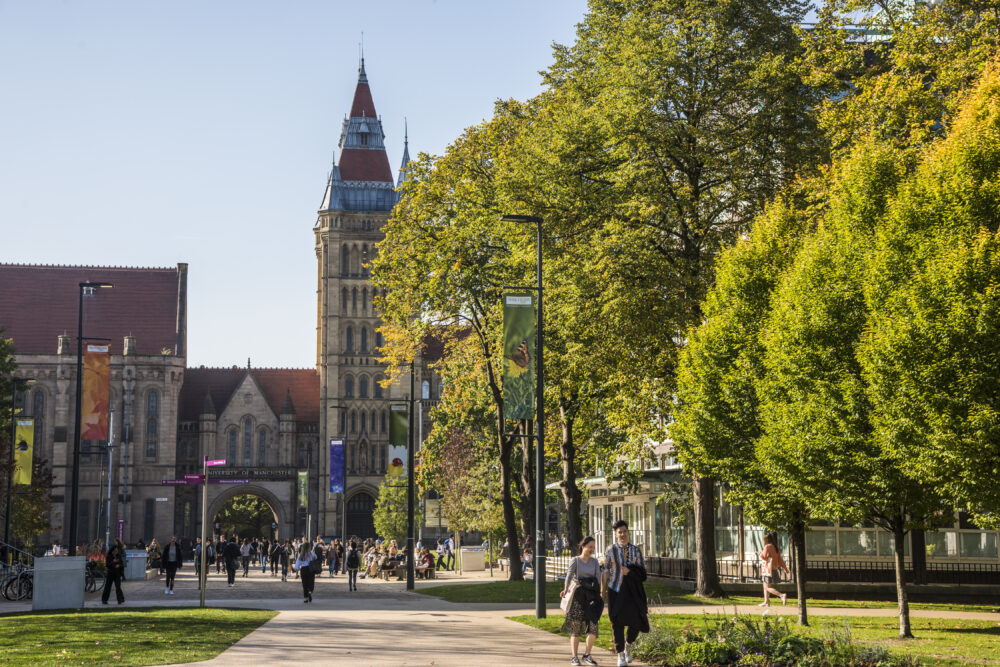
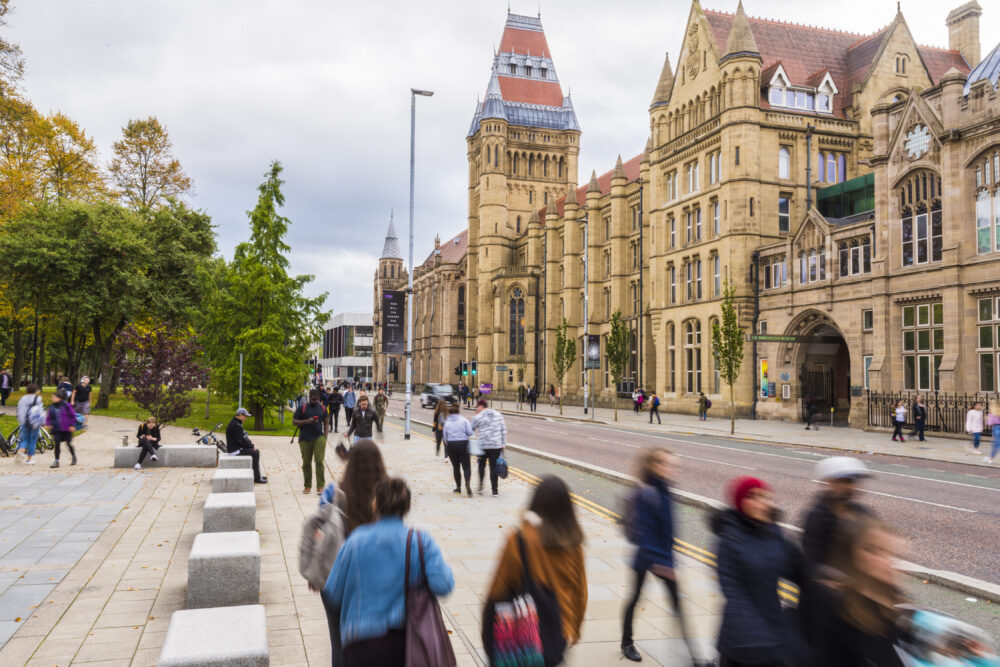
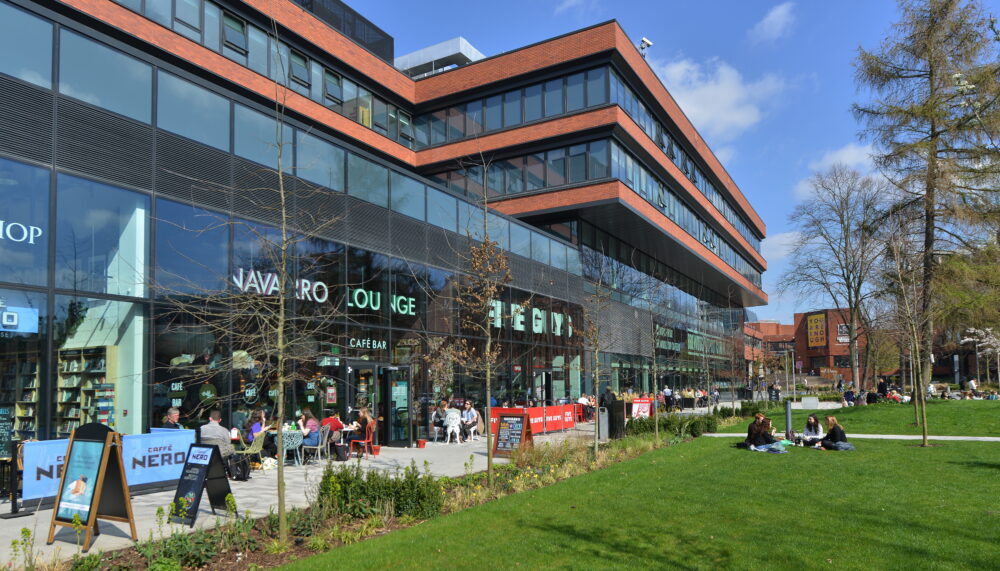
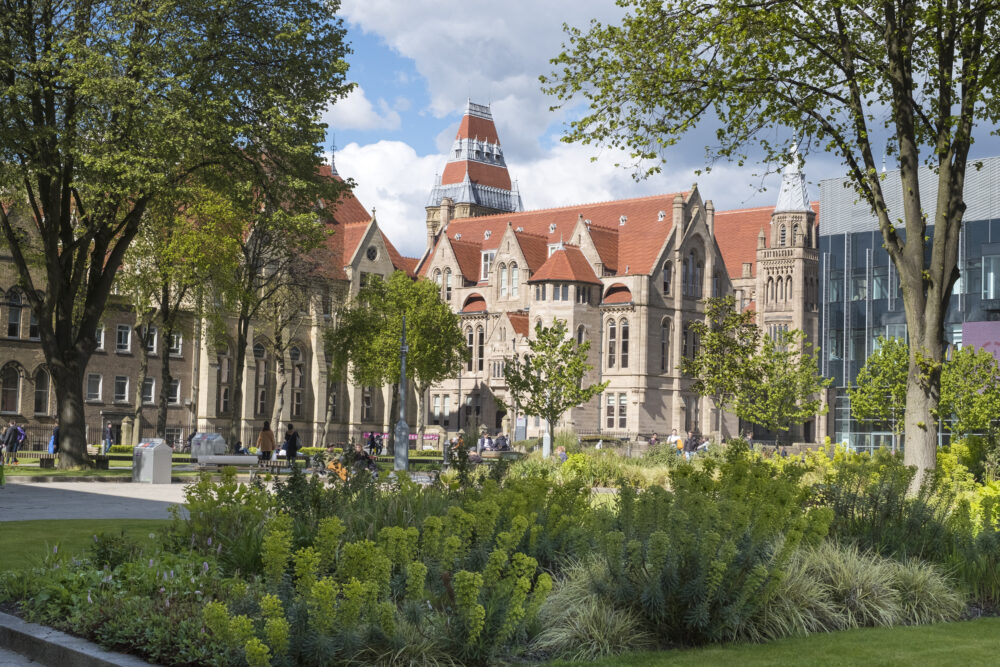
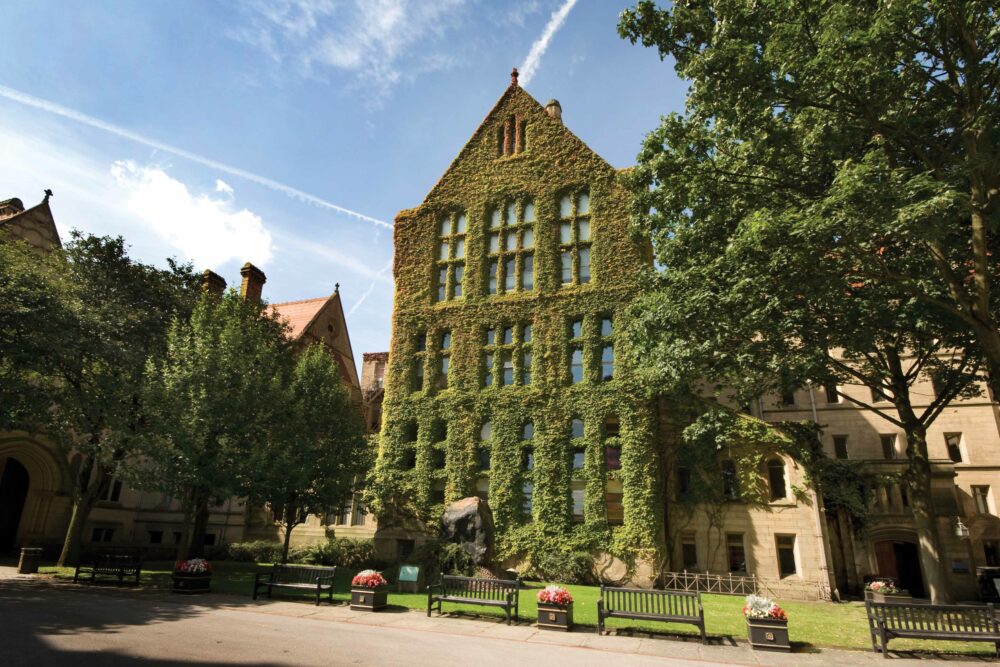

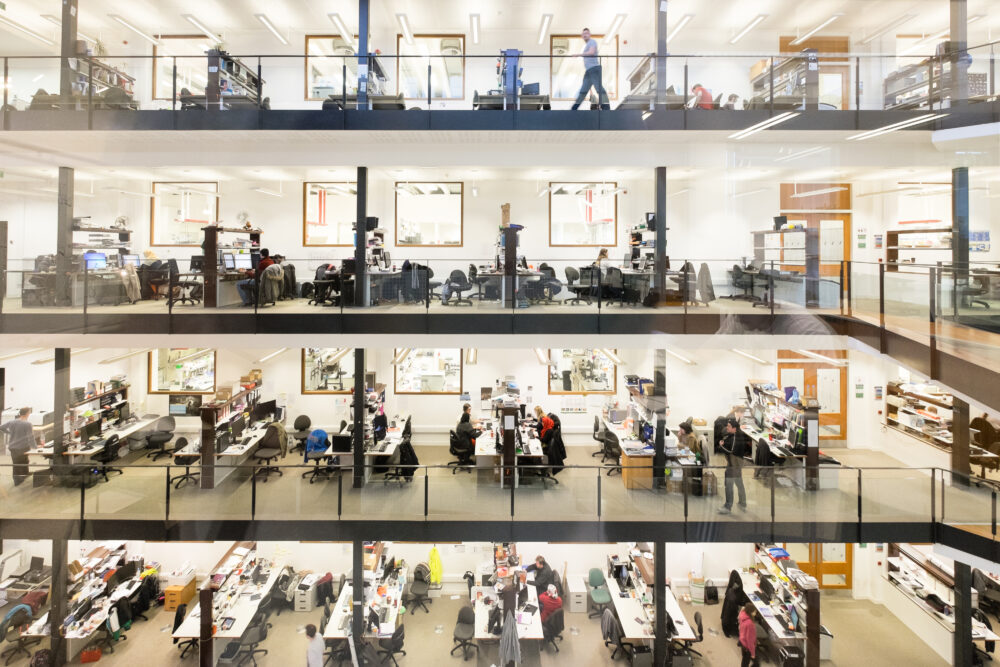
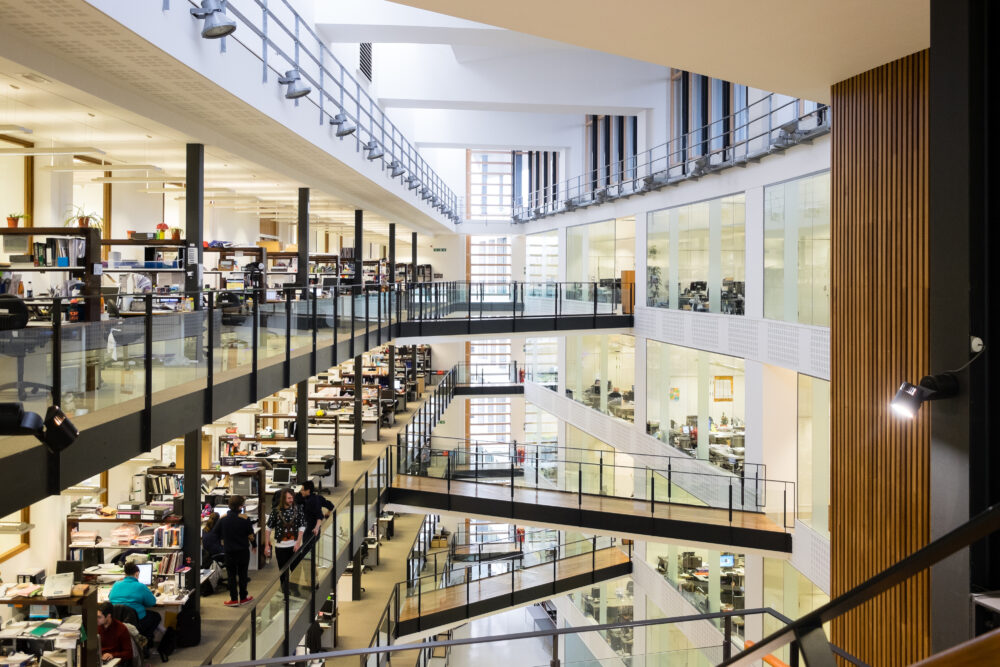

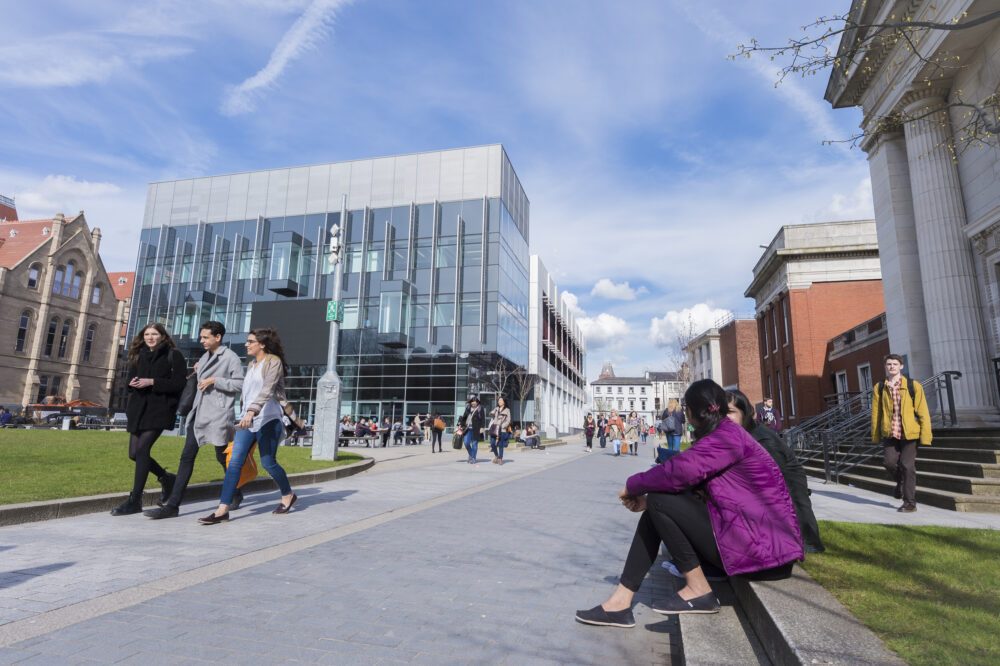
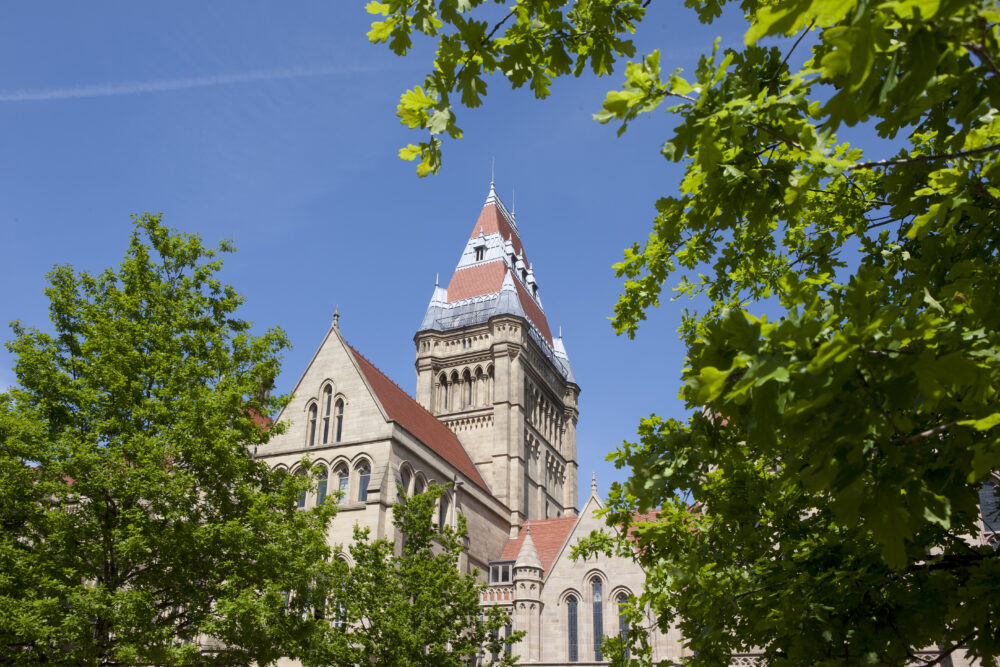

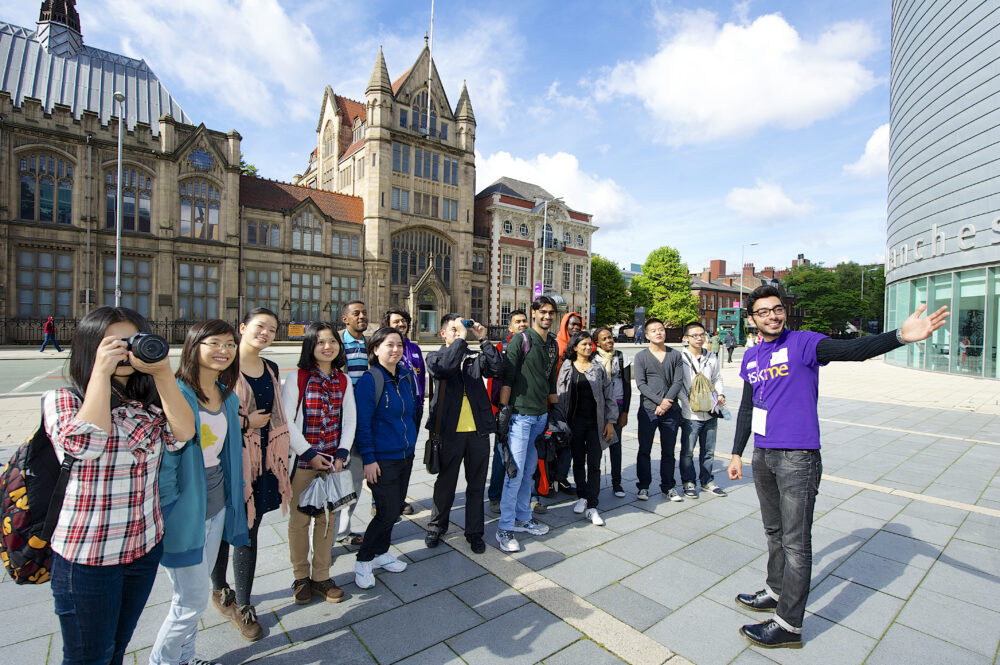
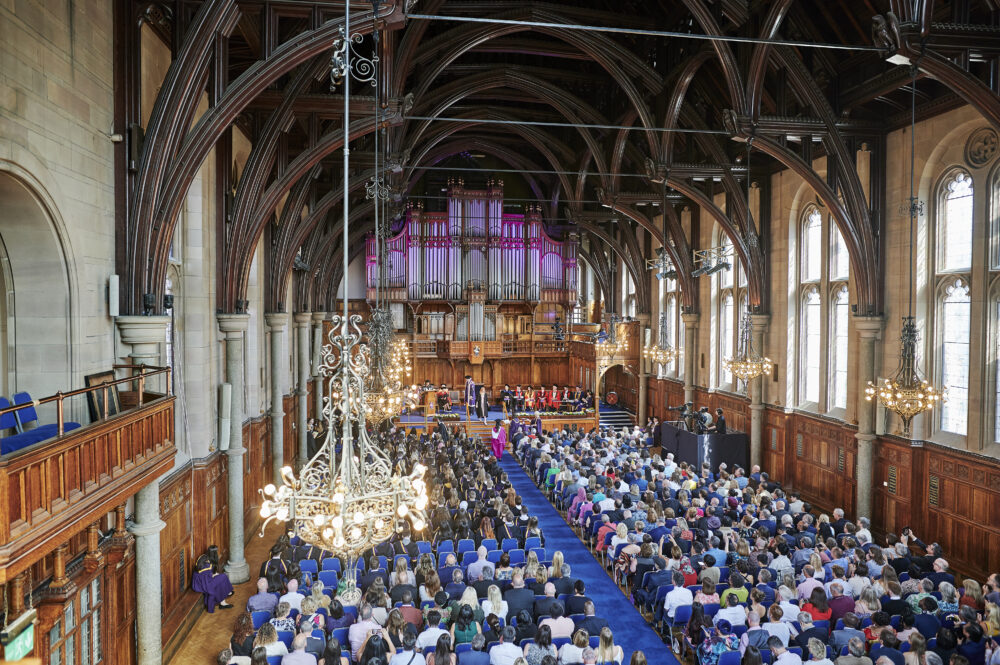

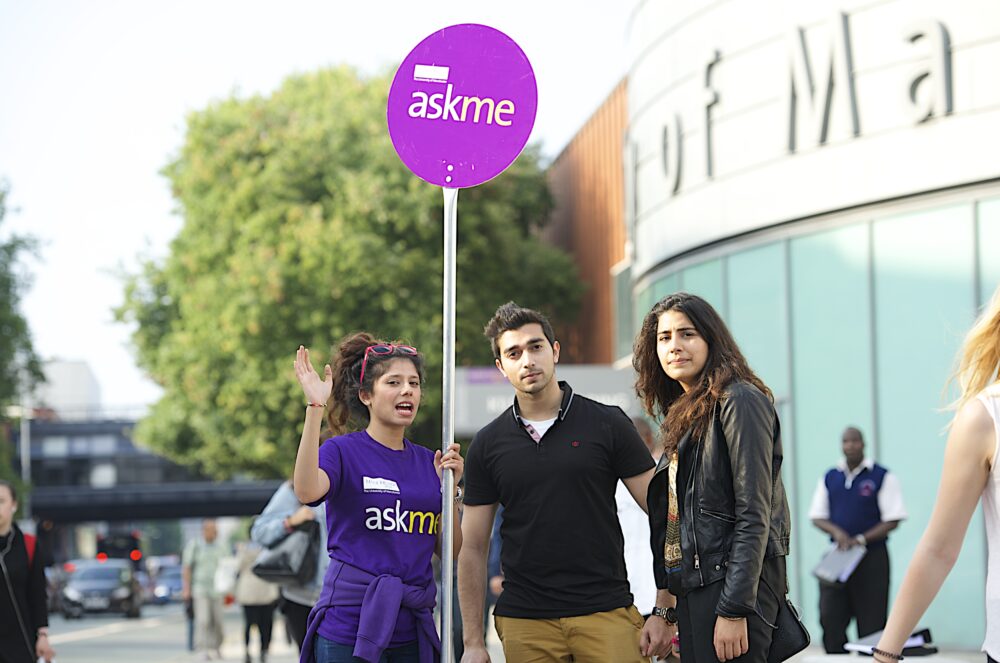
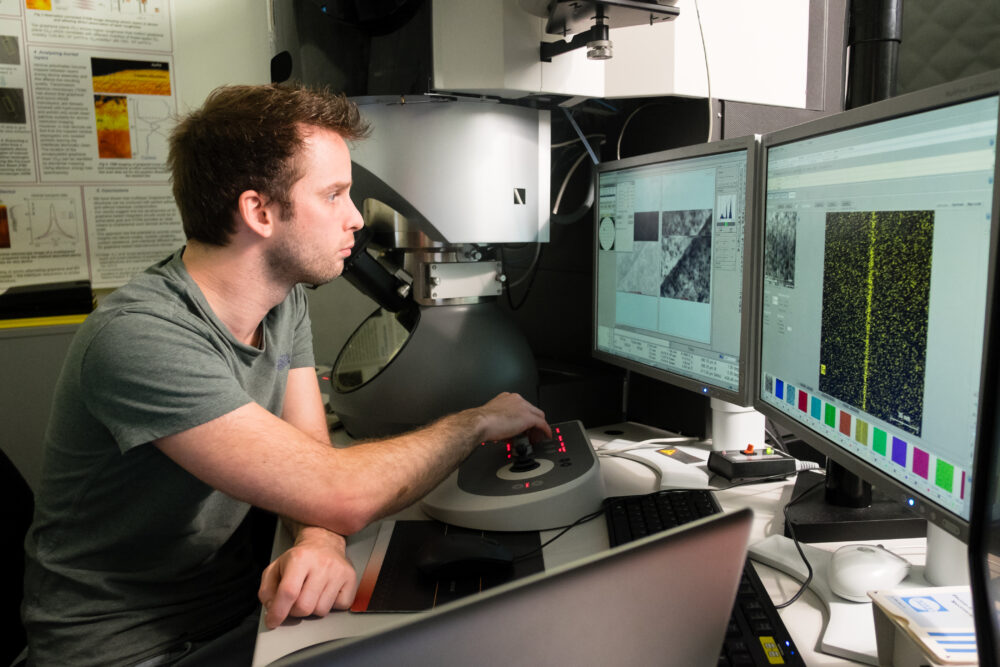




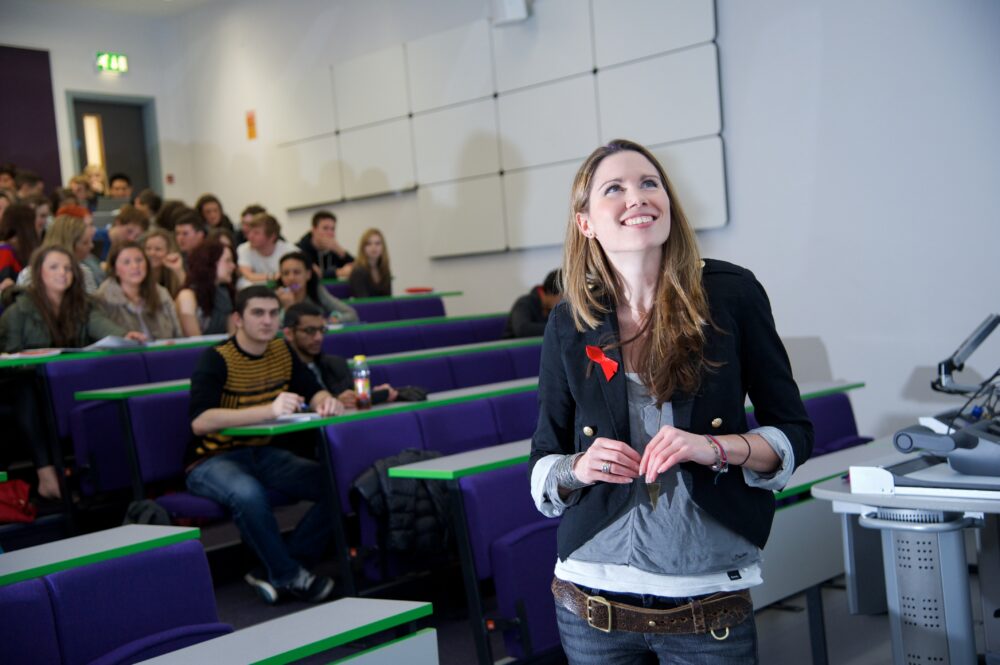




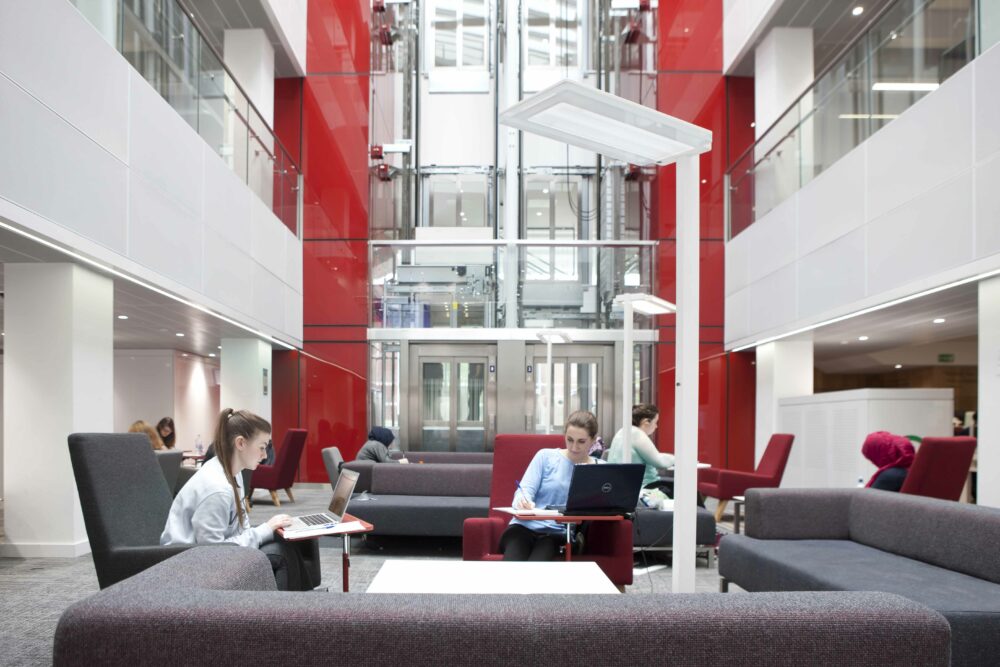





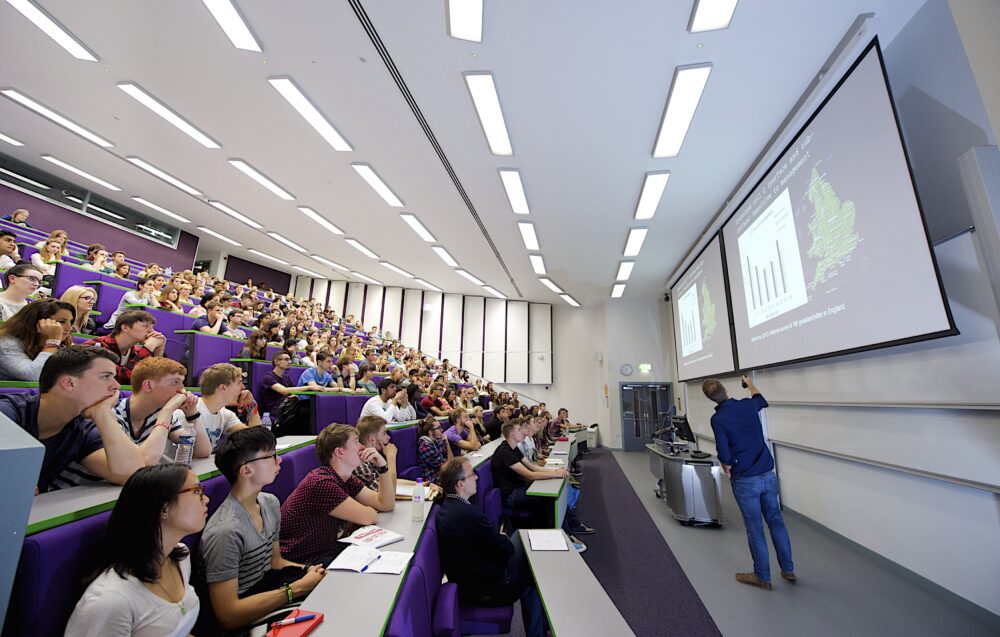

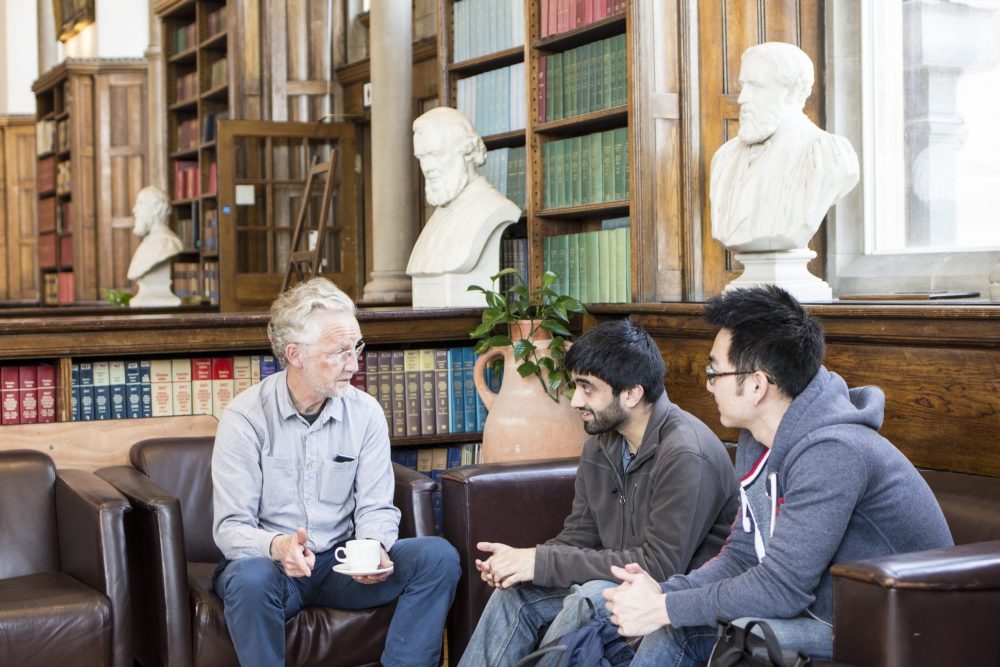
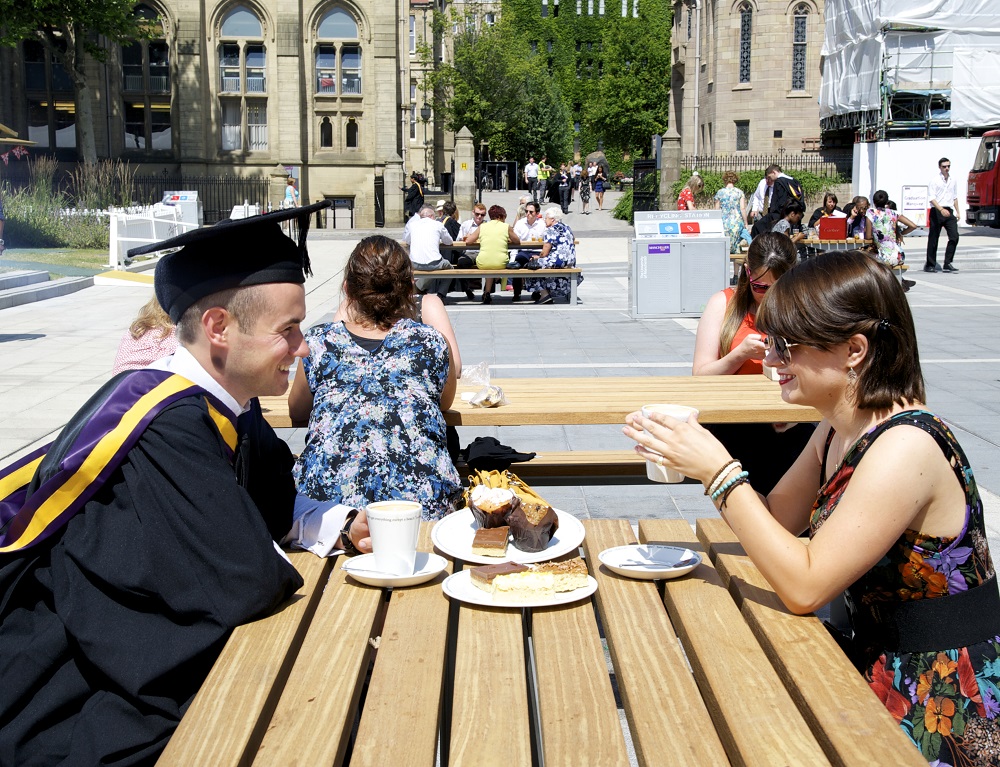


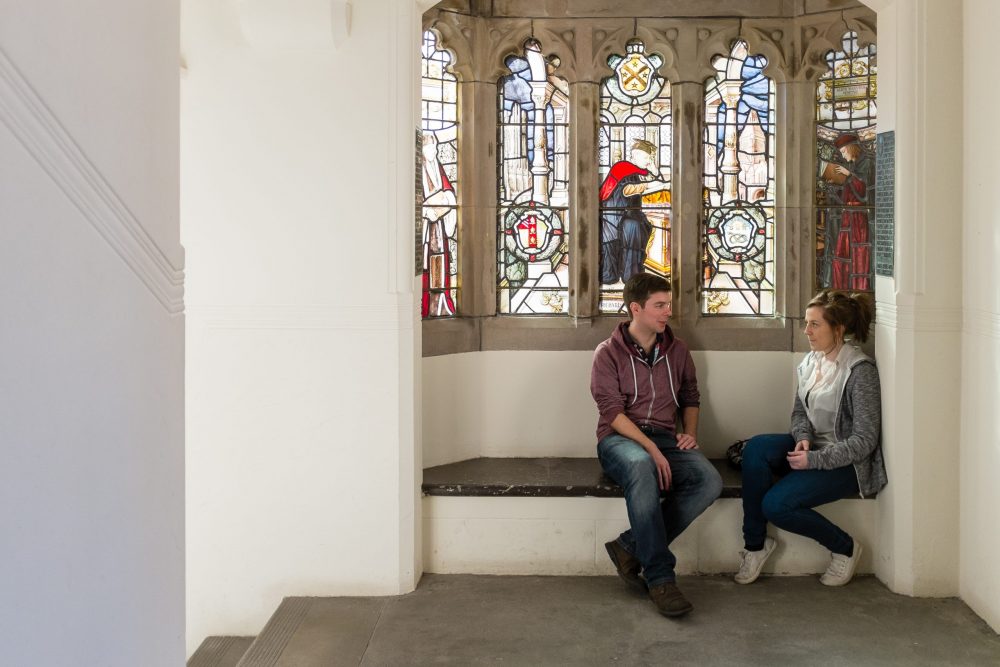

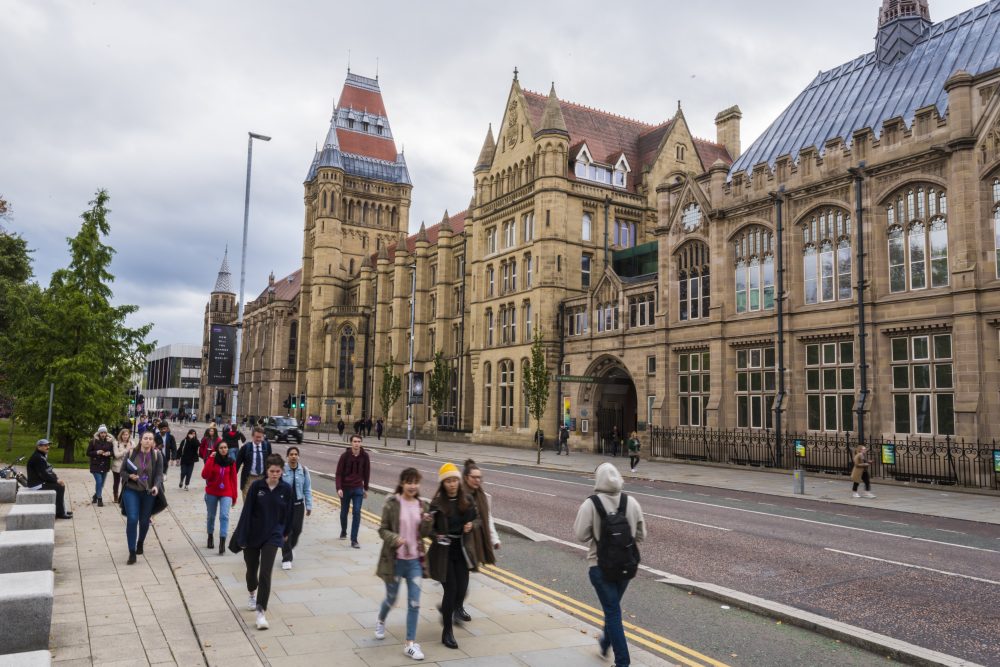





The University of Manchester is recognised globally for its pioneering research, breadth of teaching and learning and for its commitment to social responsibility. The world’s big challenges demand urgent action – we’re working across boundaries and disciplines to create healthier, more equal futures; helping to eradicate poverty; ensuring energy supply for future generations; and protecting our planet for the years to come.
In 2024, we celebrated our bicentenary: 200 years of education and innovation. This milestone event was an exciting time to reflect on the past, recognising our key discoveries, pioneering ideas and world firsts while looking forward to what our third century could bring.
We have now launched our bold new 10-year strategy ‘From Manchester for the world.’ You can read more about the new strategy here.
Our history
The University of Manchester was the first and most eminent of England’s civic universities. Our earliest roots can be traced back to 1824 with the formation of the Manchester Mechanics’ Institution, founded as part of a national movement for the education of working men, and with the creation of the Manchester Royal School of Medicine.
The University of Manchester, in its present form, was created in 2004 by the amalgamation of the Victoria University of Manchester and the University of Manchester Institute of Science and Technology (UMIST).
We have a rich history of attracting brilliant minds to the University, with 25 Nobel laureates among our current and former staff and students, including Ernest Rutherford, Arthur Lewis, and most recently, Andre Geim and Kostya Novoselov.
The present
Part of the prestigious Russell Group of UK universities, The University of Manchester is one of the UK’s largest single-site higher education institutions.
The University is a truly global institution, with a reputation for education and innovation that resonates across the world. Today, we are ranked:
We are the most popular university for UCAS applications. We have around 17,000 international students from our total student community. Our students come to live and study in Manchester and learn to be global citizens. They are attracted by our powerful sense of place, our academic ranking, the diversity of our courses, the impact of our social responsibility and by the city’s rich cultural and sporting heritage
Learn more about our rankings and reputation.
Manchester is the original modern city, responsible for pioneering events and movements that shaped the past and continue to influence the world as we know it today. The Industrial Revolution powered by canals and steam had its origins here – alongside it came fundamental societal developments such as trade unionism, the cooperative movement and the suffragettes.
The University is a proud Manchester institution – inspired by its revolutionary history, we act courageously and challenge assumptions to create the exceptional.
We are an anchor institution: critical to the economic, social, cultural and environmental wellbeing of the city and our region. The University is committed to its local community, and we recognise the importance of our civic role. In collaboration with Manchester Metropolitan University, Royal Northern College of Music, University of Greater Manchester and University of Salford, we have developed a joint Civic University Agreement with the Greater Manchester Combined Authority (GMCA) and its ten local authorities to drive social and economic change in the city region.
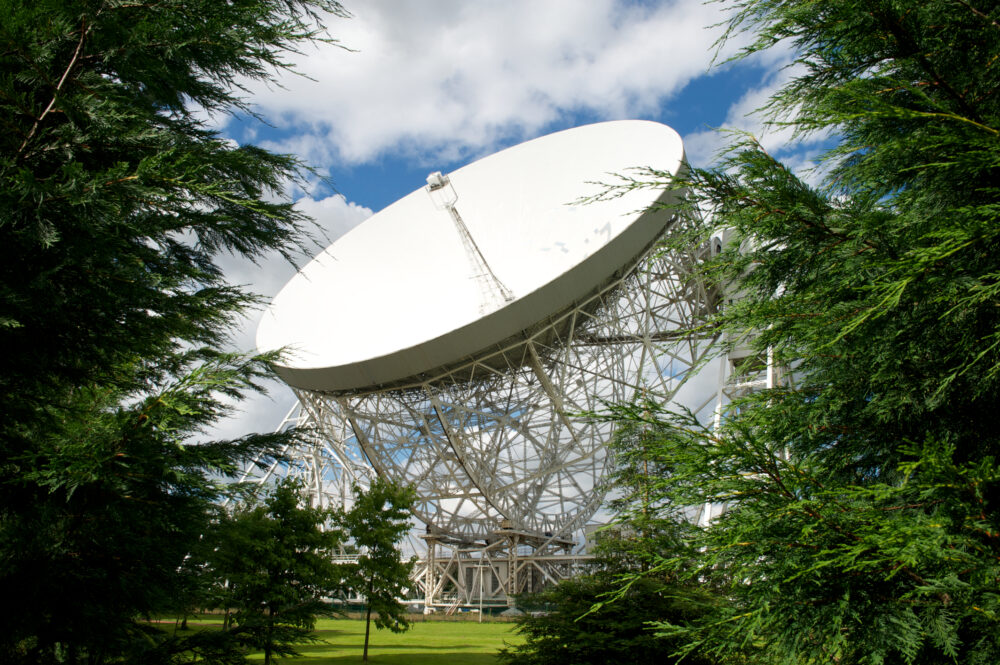
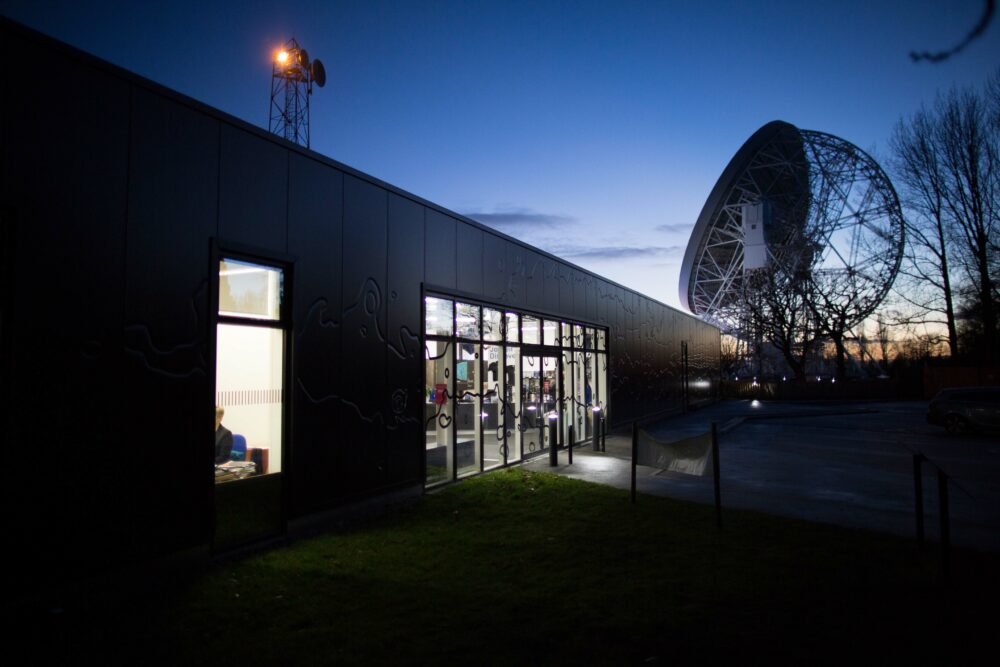
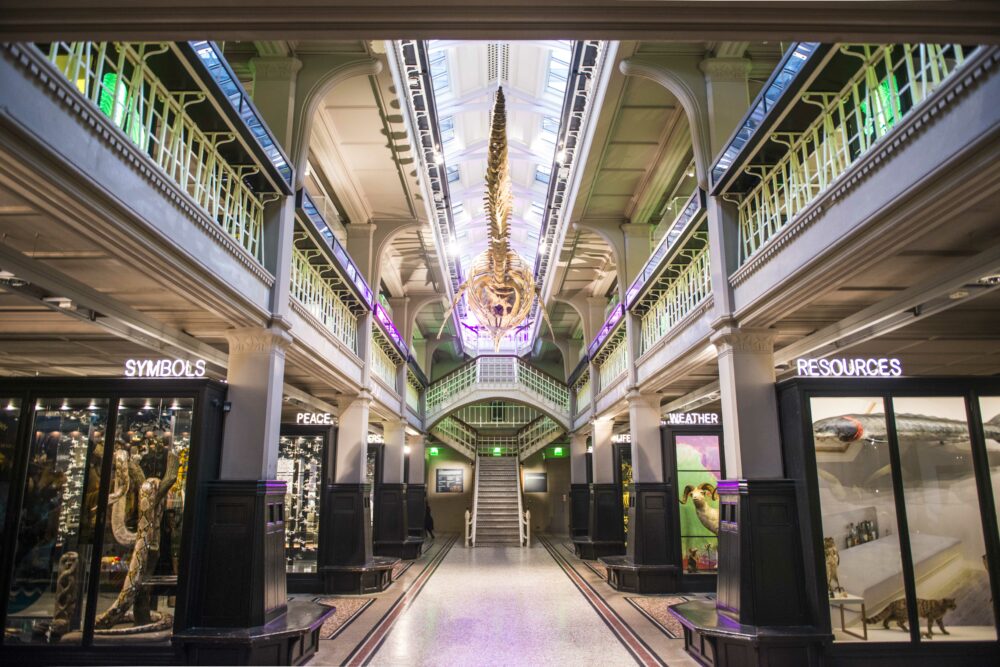
We make a significant contribution to the city and region’s cultural credentials, with our own Manchester Museum, John Rylands Research Institute and Library and the Whitworth among the city’s cultural landmarks, and the iconic Lovell Telescope just a short drive away at our Jodrell Bank Discovery Centre
Manchester has been ranked as the top UK city to live in (The Economist’s Global Liveability Index 2022) and in 2021, the city was ranked in the top three of Time Out’s World’s Best Cities.
It’s a cosmopolitan city, and its cultural life is internationally renowned. There are three outstanding professional theatre companies, the concert halls of the Hallé and BBC Philharmonic orchestras, HOME, and Europe’s fastest-growing Chinatown.
Among developments enriching the area’s cultural life are the Lowry Centre and MediaCityUK at Salford Quays, the Bridgewater Concert Hall, the refurbished City Art Gallery, and the Imperial War Museum North, designed by Daniel Libeskind, in Trafford.
From life-saving research to life-changing teaching, from gold medals to green spaces, everything we do at our University has people, our students, colleagues, and alumni, at its heart. Together we achieve great things, working collectively towards our shared goals.
Our people and our values are at the heart of the University’s strategic plan, focusing on transforming how colleagues across the institution work together, and in partnership with our students, alumni and external partners, to contribute to achieving our vision. Our people, as they always have been, are the most important part of the University’s future. Working together, we will ensure that Manchester continues to be a University of which our people are proud – a great place to work and study, as well as an institution where we successfully utilise new opportunities and further develop a culture of ongoing improvement with respect to all our activities and services.
Our People, Our Values, as a theme within our strategic plan and developed through the university’s People and Organisational Development Strategy, includes initiatives that will encourage staff and students to achieve great things in a supportive and sustainable environment, with access to outstanding facilities and be part of an organisation committed to equality, diversity and wellbeing that enables everyone to thrive. Our priorities at a glance:
Great people doing great things: We will attract, engage, develop and retain the very best staff, students and alumni. We will also streamline our operations to enable our people to do what they do best while supporting the University’s vision and strategic plan and freeing up time and funds to invest in our core activities.
Wellbeing: We aim to create a place to work and study where all of our people feel able to thrive and can fully achieve their professional and personal aspirations against a backdrop of continuous change. We will increase our efforts to embed the right processes, support, pathways and conditions to help our students and colleagues achieve success. We recognise that the wellbeing of our people is not only the morally right thing for us to support, but also leads to enhanced organisational performance and student outcomes.
Equality, diversity and inclusion: Our students and staff will be representative of the diversity within our communities and supported by fair and progressive employment practices. We will build on our existing work to promote and embed equality, value diversity and promote inclusion, to ensure our University community continues to embrace the breadth of experience, thought, and background, and reflects the wider societies we serve.
Environment and Facilities to Support our People: We will seek to create an outstanding and sustainable working and learning environment that supports our staff and students in achieving their potential. With that in mind, we must balance the expectations of our people, a maturing campus estate, the possibilities created by technology, the cost of change, and our obligations to respond to the climate emergency in a coherent long-term plan
Our values: We will bring our values – knowledge, wisdom, humanity, academic freedom, courage and pioneering spirit – to life across our University as we work together to deliver Our future. We will embed our values across the employee experience, including developing a values-led approach to our employer brand, staff recruitment, reward and recognition, and wellbeing. Our values have already been demonstrated through recent achievements that have seen Manchester named as one of the world’s leading universities for action on sustainable development (Times Higher Education University Impact Rankings), the creation of Sister (Europe’s most ambitious innovation district) and our approach to hybrid working in Professional Services, which will deliver significant mutual benefits for colleagues and our University.
From our beginnings nearly 200 years ago as England’s first civic university, we’ve sought to break down barriers and improve lives. At The University of Manchester we celebrate our diversity and the diversity of the communities we serve.
Our ambition is to be an inclusive place to work and study, one that is characterised by equity, diversity, and a sense of belonging for our community.
Our vision is to be recognised by staff, students, alumni, and our partners as an inclusive organisation. We will do this by creating an outstandingly inclusive place to work and study that is characterised by equality, seeing the value of diversity and where all have a sense of belonging.
We are committed to meeting and exceeding our obligations under current legislation and by doing more, we build on Manchester’s existing reputation for its rich diversity and ensure we equip all our staff and students with the knowledge to sustain and enjoy a fully inclusive study and work environment. Recognising, embracing and valuing difference leads to improvements for all.
We are proud to employ a workforce that reflects the diverse community we serve and a student community from more than 170 countries. See our Equality Information Report 2025.
Hear what our staff and students say here.
The School of Social Sciences is a large and diverse School but enjoys an atmosphere of close community. The School carries out theoretically-informed, empirical research, addressing major issues of private and public concern. Our teaching and research are founded on a unique combination of eight disciplines:
You can read more about the School of Social Sciences here.
The Department of Law at the University of Manchester is a large, vibrant, and outward-looking academic unit situated within the School of Social Sciences in the Faculty of Humanities. With around 70 FTE academic staff, the Department represents one of the UK’s most substantial and diverse law schools.
We are committed to delivering excellence in teaching, research and student experience. Our portfolio spans undergraduate, taught-master’s and doctoral programmes, with opportunities for domestic and international students, study abroad, and continuing professional development.
In research, we combine disciplinary rigour with interdisciplinary reach. We host four major research centres: the Manchester International Law Centre, the Manchester Centre for Law and Business, the Manchester Centre for Regulation, Governance and Public Law and the Centre for Social Ethics and Policy, which underpin our capacity to shape legal scholarship, policy and practice across sectors.
Impact and engagement are central to our mission. Our research actively responds to societal and legal challenges, from discrimination, border control and public health to business regulation and human rights, and we foster partnerships with policymakers, regulatory authorities, NGOs and communities.
The student experience lies at the heart of our purpose: we aim to inspire, equip and support students from entry to graduation and beyond. A strong emphasis is placed on student employability, personal development, and inclusive support, drawing on the breadth of expertise within the Department and the rich resources of the University.
Operating in a dynamic urban setting, the Department benefits from the intellectual, cultural and professional vibrancy of Manchester, with excellent facilities, a committed staff body, and a strategic alignment with the University’s values of academic excellence, social responsibility and inclusivity.
You can find out more about the Department here.


JOB DESCRIPTION
Purpose of the role
The Professor and Head of Department is a strategically important leadership role that contributes to the design and implementation of the Department, School and Faculty’s strategic objectives. The role is critical in terms of providing leadership and support to academic colleagues within the department through creating a positive, engaging, and inclusive work environment in which teams can develop and thrive. The Professor and Head of Department will work with academic colleagues, creating a culture of empowerment and collaboration which delivers research excellence and world class student experiences.
The role reports to the Head of School of Social Sciences, and has a key part to play in collaborating with other colleagues to develop all strands of the School’s research and academic strategies and to lead the delivery of those priorities within the department. The role holder is a critical adviser to the Head of School, using deep expert knowledge of their academic field and the sector to shape both School and departmental strategies across a range of strategic academic priorities.
ACCOUNTABILITIES
People leadership
Strategic academic leadership
Department planning
Student experience
This is a permanent academic appointment at professorial level. The appointment as Head of Department will be for an initial term of three years.
PERSON SPECIFICATION
A competitive salary will be agreed with the preferred candidate.
You can read more about working at the University of Manchester here (please refer to the terms for Academic Staff on Grade 9).
| Pay Scale | Non-Clinical Professorial pay scale |
| Incremental Progression | Zones A to D: progression within zone based on merit Zone E: automatic annual progression providing no diminution in performance |
| Pension Scheme | USS |
| Hours of Work | All staff are expected to work such hours as necessary for the proper discharge of the duties |
| Annual Leave | Reasonable amount, at least 28 days statutory minimum |
Anderson Quigley is acting as an advisor to the University, an executive search process is being carried out by Anderson Quigley in addition to the public advertisement.
The closing date for applications is noon on Friday 28 November 2025.
Applications should consist of:
Should you wish to discuss further details about the role in strict confidence, please contact Aino Betts at aino.betts@andersonquigley.com, +44 (0)7743 934 723 or Elliott Rae at elliott.rae@andersonquigley.com, +44 (0)7584 078 534.
| Closing Date | Friday 28 November |
| Preliminary Interviews with Anderson Quigley | Mid December/Early January |
| Stakeholder Sessions | Wednesday 4 February (afternoon) |
| Final Panel Interviews | Friday 6 February |
 www.manchester.ac.uk