

Thank you for your interest in the position of Chief People Officer at the University of Bradford.
This is a pivotal appointment at a defining point in the University’s journey. As we deliver Strategy 2035, we are clear that our success will depend on our people, our leadership and the way we work as an institution. The Chief People Officer will play a central role in shaping that future.
Reporting directly to the Vice-Chancellor and as a member of the University Executive Team, this role goes well beyond leading a People function. It is about shaping a high-performing, inclusive and accountable institutional culture, strengthening leadership capability, and ensuring that our workforce, structures and ways of working are fully aligned to our strategic ambitions.
We are seeking a senior leader with the credibility, judgement and drive to lead this agenda at scale. You will bring a strong track record of organisational development and transformation, alongside the ability to influence at the most senior levels and to translate strategy into meaningful, sustained change.
This is a role that requires both clarity and pace: establishing consistent expectations for leadership and performance, building organisational capability, and creating the conditions in which our people can thrive and deliver impact. You will work closely with colleagues across the University to ensure that people and culture are positioned as core enablers of institutional success.
The University of Bradford is defined by its commitment to inclusion, social mobility and real-world impact. We are ambitious for what comes next, and this role offers a significant opportunity to shape the culture, capability and performance of the institution for the future.
I hope that, having reviewed the information, you will consider applying.
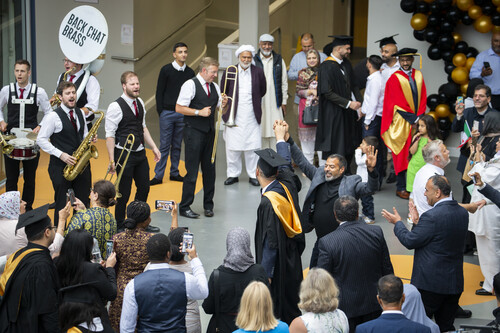
At the University of Bradford, we strive to be recognised as the exemplar for social mobility. We aim to accelerate equality, diversity and inclusion for all and create an empowering environment that enables students and staff to achieve their full potential and make a difference.
We are determined to be an anti-racist institution that celebrates our rich diversity and heritage – this is about driving change and tackling disadvantage on a structural, cultural and individual level.
Our credentials in equality, diversity and inclusion are second to none. We have been ranked first in the Higher Education Policy Institute’s Social Mobility Index in 2021, 2022, 2023 and 2024. In 2024, we were named University of the Year at the Social Mobility Awards, and we were named Daily Mail University of the Year for Social Inclusion 2026.
As part of creating an inclusive environment for work and study, we are members of several equality charters and national schemes including the Race Equality Charter, Disability Confident and Stonewall University Champions Programme. We have achieved an institutional bronze Athena SWAN award and are determined to continuously improve our standing in this area.
The University of Bradford is a national leader in social mobility, recognised as England’s top university for transforming lives through education and we have the credentials to prove it. We have won more awards for social mobility than any other higher education institution.
This is a pivotal moment for the University as we seek to balance challenges affecting the entire HE sector with our ambition to become world-leading in the fields of applied AI, entrepreneurship, research and innovation and health and social care, while building on those areas in which we are already world renowned, such as archaeology, cancer therapeutics, polymer research, radiography, peace studies and business.
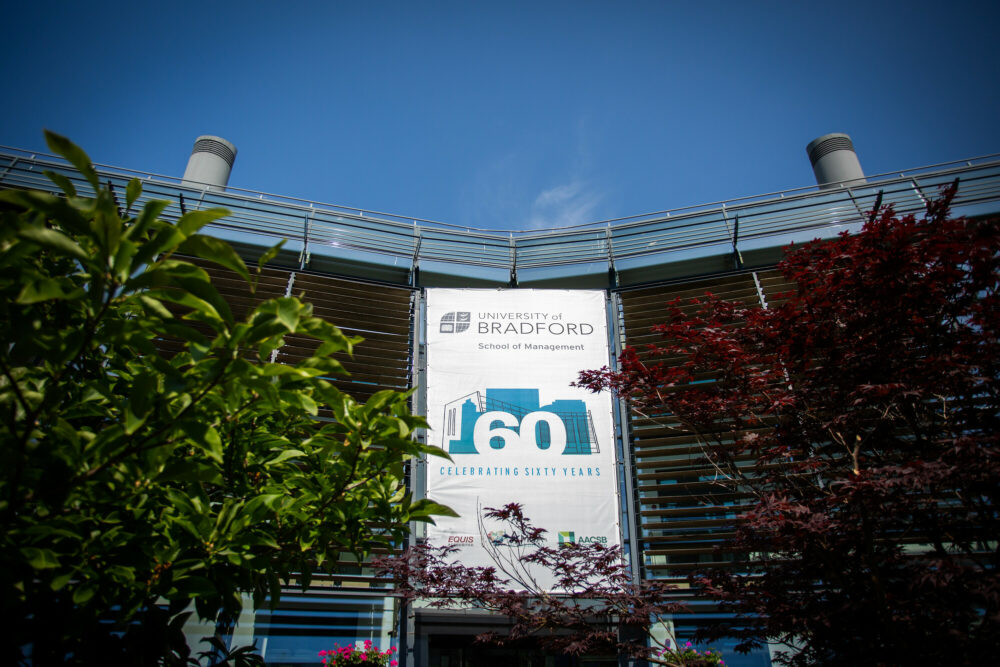
As we prepare to enter our 60th anniversary year, and to carry forward the legacy of Bradford 2025 UK City of Culture, of which we are a strategic partner, we are seeking to appoint a new Chief People Officer with the passion, vision and commitment to lead the University, to uphold our values-driven strategy, build on our strengths and seize new opportunities in an evolving HE landscape.
We already have an enviable reputation in many fields, not least being ranked number one on the Higher Education Policy Institute’s Social Mobility Index in 2021, 2022, 2023 and 2024, and named Daily Mail University of the Year for Social Inclusion 2026.
More than half of our roughly 10,000 students come from disadvantaged backgrounds and yet according to the most recent Higher Education Statistics Agency data, 92 per cent of those students are in work or further study 15 months after graduating.
In the last few years, we have opened the Bradford-Renduchintala Centre for Space AI and are advancing plans to launch a satellite into space. We created Virtual Bradford, the UK’s first digital twin and we are home to the world’s foremost submarine archaeology unit. We also run accelerated entrepreneur programmes for staff and students and aim to become the number one destination in the UK for business start-ups and spin-outs within the next decade.
We are steadily climbing national ranking league tables and strengthening our reputation as a university that delivers real-world impact, academically, socially and economically.
If you’re interested in being part of a university that is redefining its future through a values-driven approach and that is committed to making a difference, we would like to hear from you.
Rankings and Awards
Key Statistics
9,615 students in the 2025/26 academic year:
1487 staff in February 2026:
Faculty of Management, Science & Engineering, includes:
Faculty of Health and Social Care:
Institute of Health and Social Care:
Institute of Digital and Sustainable Futures:
Proud partner of


























The University recently approved a new 10-year strategy designed to amplify our strengths, accelerate innovation and deepen our social impact, locally, nationally and globally.
The four main priorities are: putting students first, widening access, growing our reputation for research and innovation and making the University work better, and be a better place to work and study.
Students first
We will embed a culture of innovation, responsiveness and student-centric design across faculties and professional services, ensuring that online learners receive a consistently high-quality experience that leads to strong employment and progression outcomes. This includes modernising institutional operations such as admissions, marketing, curriculum design and student support, all aligned with the principle of ‘meeting students where they are.’ We expect to see continuing progress in Teaching Excellence Framework outcomes and to align ever greater focus on employability with our strategy to widen access.
Widen access
We plan to expand our online provision with an aspiration for 10,000 new online lifelong learners over the next ten years. This is central to the University’s goal of growth through widening access and reflects a strategic response to rapid global changes in employer demand for skills over the course of a career. Delivering this ambition requires bold and strategic leadership and our Executive Team are pivotal in translating this vision into action – shaping the University’s online offer, embedding innovation across the institution, and ensuring alignment with our other three strategic pillars.
Grow our reputation for research and innovation
We will deliver the University’s research and knowledge mobilisation agenda to improve research impact through two research institutes that will broadly centre on Health and Social Care, and Digital Innovation, Engineering and Sustainability. Strengthening industry partnerships and embedding research-informed practice into online programme design will help position Bradford as a competitive and values-led provider of learning.
A university that works better
We will modernise and streamline institutional operations, ensuring financial sustainability and long-term resilience. This includes aligning services with student needs, enhancing accountability and simplifying systems and processes to support growth and profitability. A university that works better will provide a stronger and more sustainable platform for growth and innovation – always putting students first.
We change lives – in 2024-25, our students received £2.8m in bursaries and scholarships, making higher education more accessible to a wider cohort, especially those from disadvantaged backgrounds. We offer a range of scholarships for many underrepresented groups, from care leavers and asylum seekers to women in science and technology and white working-class males.
We drive innovation – in the last financial year, we were awarded £12.8m in research grants and knowledge exchange bids, delivering an array of innovative projects, from using artificial intelligence and facial recognition technology to speed up organ donor transplants (with clinical trials due to start in 2026) to working with over 200 schools to increase physical activity among young people as part of the Sport England-funded Creating Active Schools initiative.
We power the local economy – last year, we spent £10.6m with over 100 local suppliers; we are a key partner of Bradford 2025 UK City of Culture; we run Bradford Digitisation Hub, working with dozens of SMEs across West Yorkshire; we are the anchor institution for the groundbreaking Bradford Energy Network (an £8.4m city-wide heat network); we are the main sponsor of Bradford AFC; we compile the Bradford’s Top 100 Businesses annual guide in partnership with the Telegraph & Argus and we are supporting over 30 business start-ups through our entrepreneur ecosystem.
We’re first in class – we are best in the country at improving people’s life chances – more than half our students come from deprived backgrounds and yet 92% are in work or further study 15 months after graduating; we are first to offer all our student nurses naloxone anti-overdose drug training; we are the only university to offer a paid sandwich year for paramedics; our Distance Learning MBA is ranked first in the world for value for money by the Financial Times; we are one of the first British Universities of Sanctuary, one of the first Adobe Creative Campuses, the first to offer its students a ‘one-stop-shop’ Santander ‘app’, and first in the world to launch a programme module codesigned by people living with dementia.
We connect globally – we are founder of the World Technology University Network and this year hosted 2025 International AMRI Conference, showcasing cutting-edge research in biopharma, med-tech, and sustainable polymer science, particularly in conjunction with universities in China. In September we hosted the launch of the UN Human Development Report 2025, which discusses responsible AI, in addition to a global conference on radiography.
Leading with purpose – we are committed to putting students first, to widening access and to enhancing our research and innovation portfolio and in the next 10 years we aim to become a hot-spot for UK start-ups, thanks to our enterprise ecosystem.
Bradford is surrounded by some of the most striking and storied landscapes in the UK – from the rugged beauty of Brontë Country and the rolling hills of the Yorkshire Dales to the industrial heritage of Saltaire and the creative energy of its varied towns and cities. The University of Bradford is proud to be part of a region known for its resilience, diversity and ambition. Our location offers not just a backdrop but a context for learning and living.
Bradford itself is experiencing a renaissance, thanks to a £50m revamp of its city centre, creating new pedestrianised areas, a new market, city centre parks and transport routes, a £50m renovation of the iconic Bradford Live venue (formerly the Odeon cinema), and Bradford 2025 UK City of Culture, which has attracted over a million visitors to hundreds of events across the district and of which we are a key partner, charged with preserving its legacy.
Bradford has a youthful city: 28.2% of the district’s population is aged 17 or younger – the highest percentage in West Yorkshire and the sixth highest in England – and is the fifth largest local authority by population (after Birmingham, Leeds, Sheffield and Manchester) but is also the 13th most deprived in England. This is reflected in our student population, 65% of whom hail from the most socio-economically deprived backgrounds, with around 79% of our home undergraduates coming from the region.
Bradford is a hive of enterprise: we are a key partner in West Yorkshire Investment Zone (through our Bradford Digitisation Hub), backed by West Yorkshire Combined Authority; we are one of the main sponsors of Bradford Manufacturing Weeks (organised by North & West Yorkshire Chamber of Commerce), which connects students to businesses; we also run the Bradford-Renduchintala Enterprise Ecosystem, offering funding and mentoring to take business ideas from concept to market.
The district is known for its international cuisine, art galleries and museums, including the recently renovated National Science and Media Museum and the Saltaire-based Peace Museum – and we are part of this rich tapestry, not least because of our on-campus Theatre in the Mill, which is currently running a national tour of its Bussing Out exhibition.
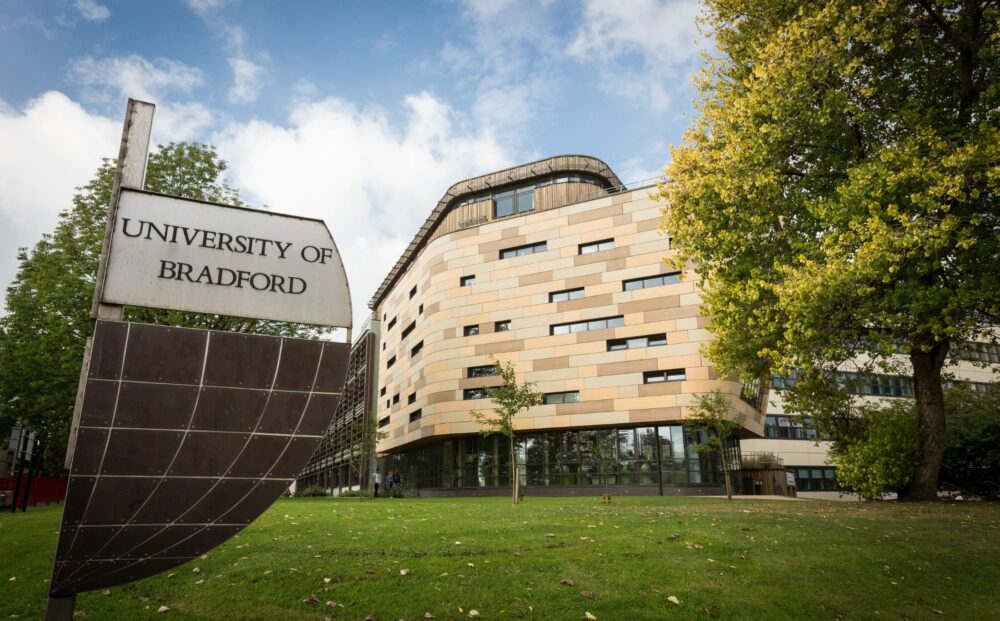
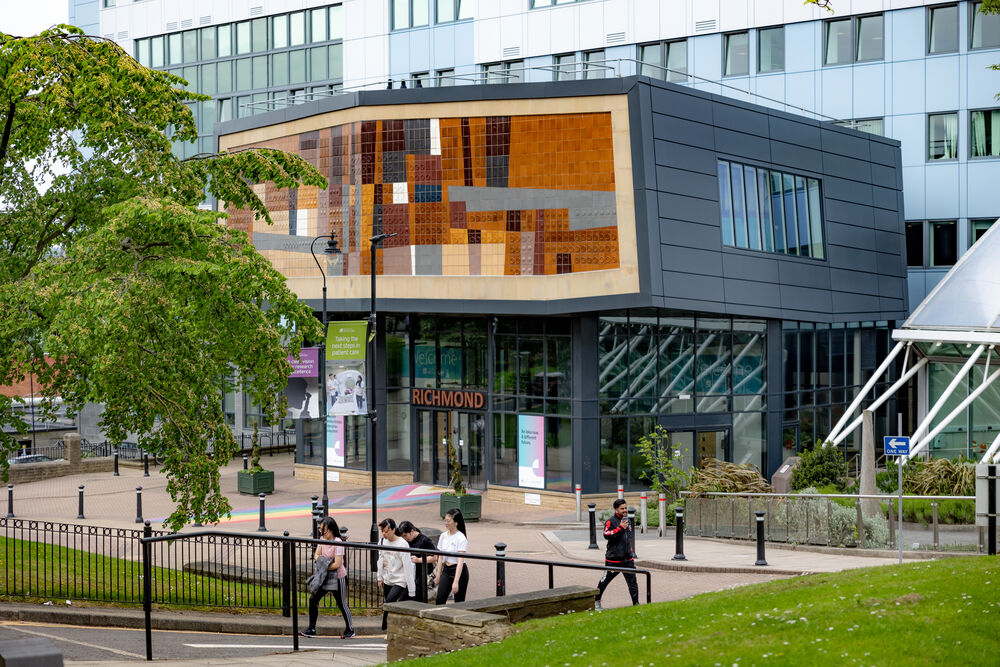
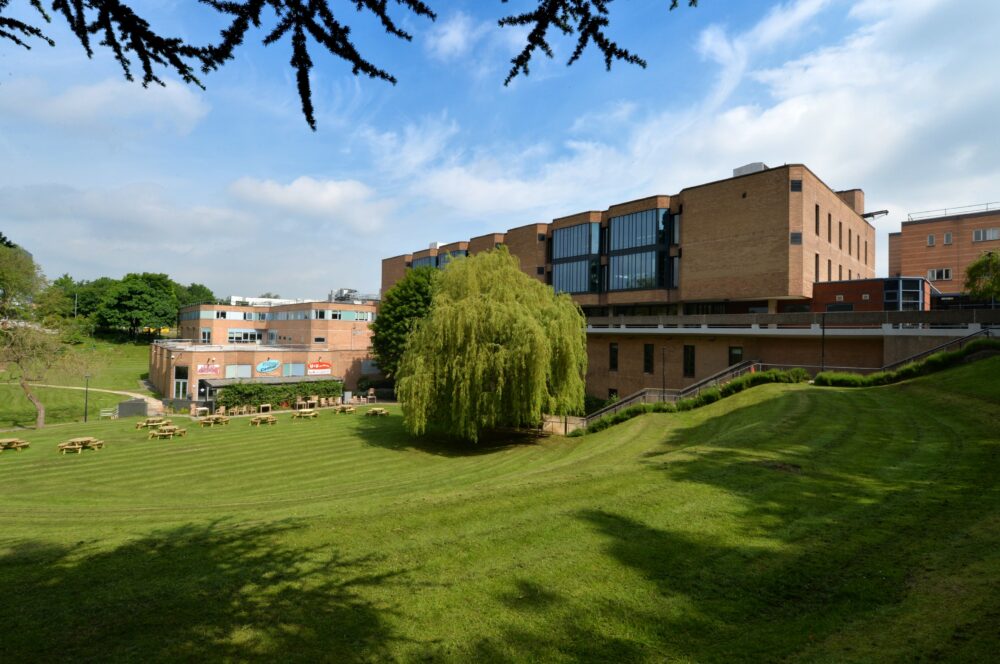
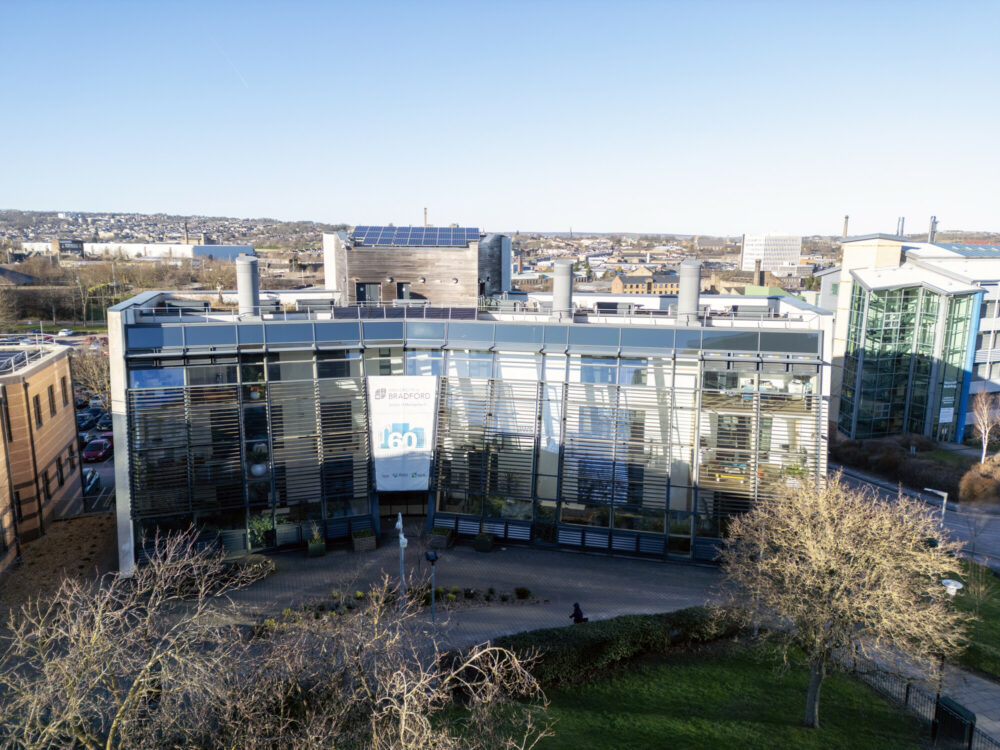
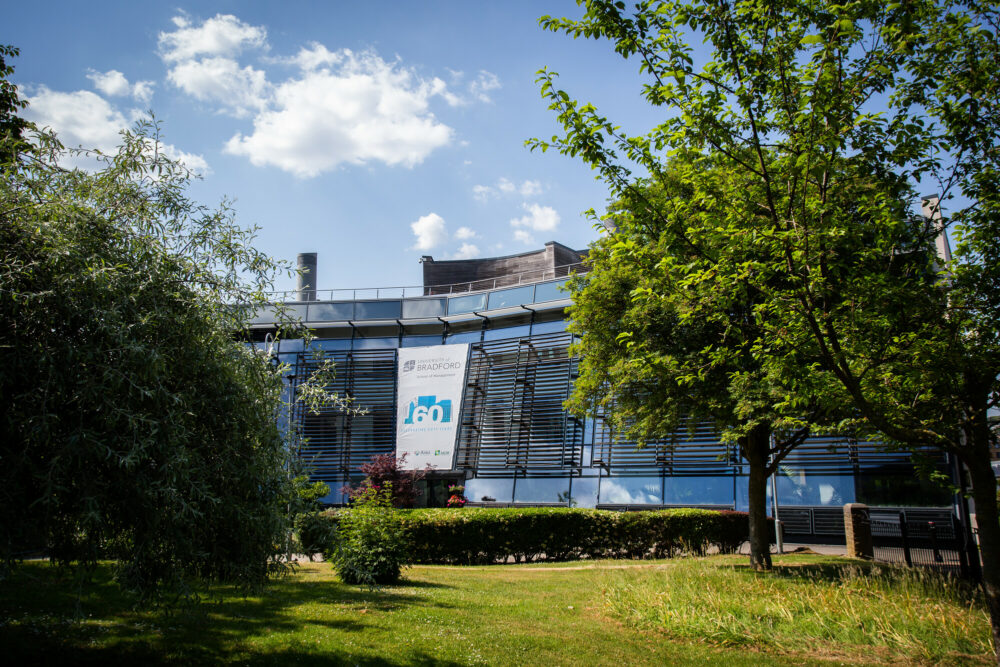
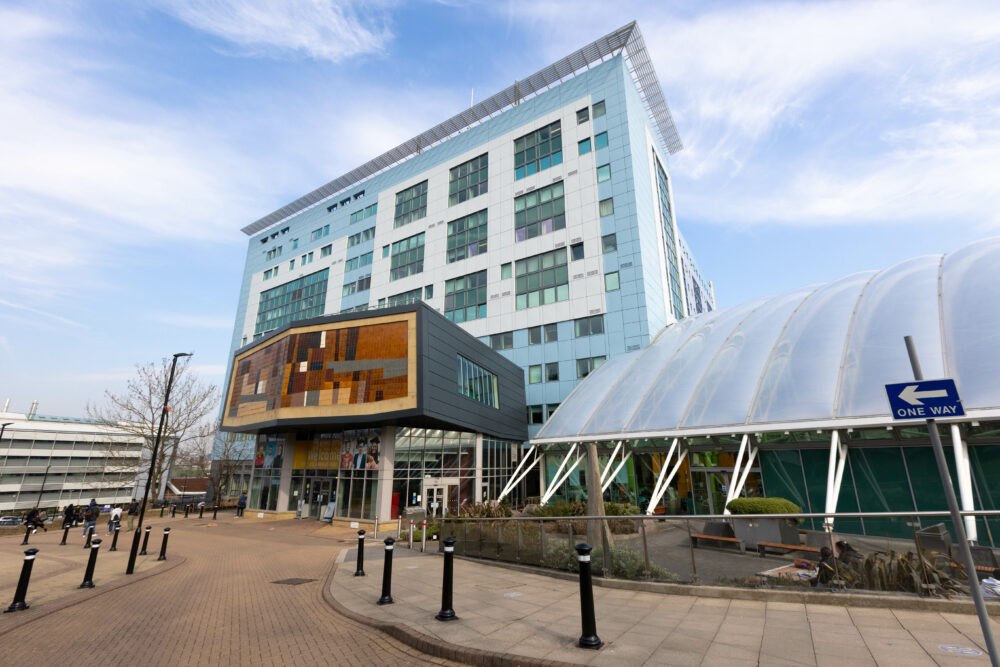
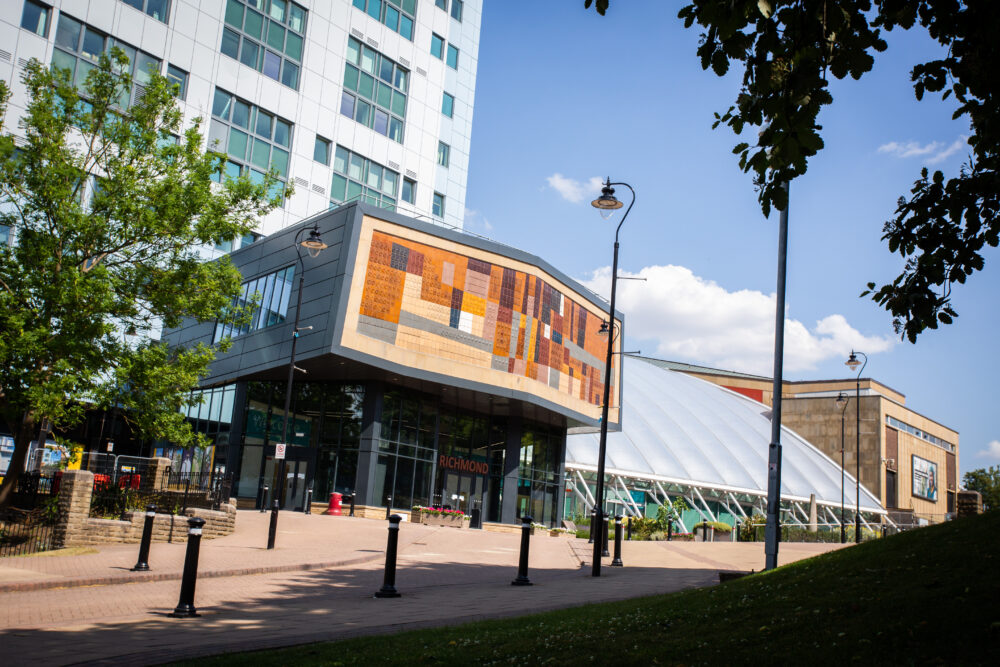
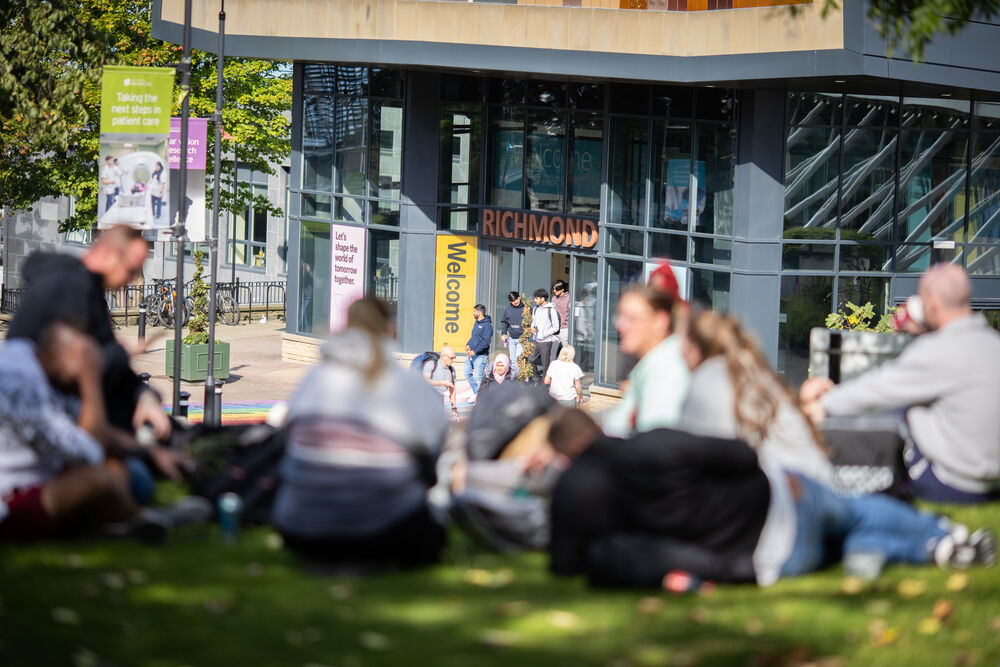
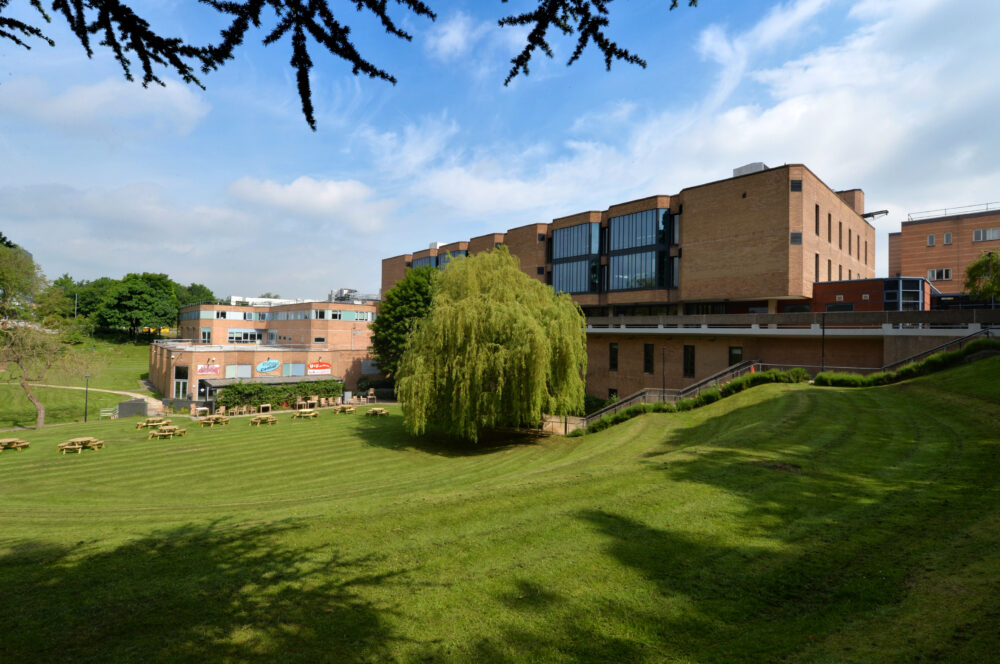
The University of Bradford is part of the fabric of the city and the district, with around 10,000 students and 1,500 staff and a campus that boasts some amazing facilities, from a fully equipped sports centre, opticians, cutting-edge research and innovation laboratories and engineering labs, a recently revamped Student Central and library, together with our open amphitheatre and wildlife gardens – we even make our own honey, thanks to our on-campus bee hives.
In short, we’re proud of our city, our region and our university and most importantly because of the difference we know we make – and can make – in people’s lives.
Job Purpose
The Chief People Officer (CPO) is a pivotal member of the University Executive Team, reporting directly to the Vice-Chancellor. As a member of the Executive, the CPO will support the effectiveness of the team and contribute not only as a subject expert but also as a corporate leader responsible for the overall direction and competitive performance of the University.
This role will lead the University’s People agenda in support of Strategic Priority 4: A University that Works Better — through building the leadership, workforce capability, and organisational culture vital to deliver Strategy 2035 successfully.
The postholder will shape a high-performing, inclusive and accountable institutional culture, ensuring that the University attracts, develops and retains talented people, and that staff are enabled to thrive, contribute and deliver impact.
The role will be central to establishing a clear and consistent approach to leadership, performance and organisational effectiveness, embedding a culture of continuous improvement, strong people management and shared accountability across the institution.
The CPO will also play a critical role in supporting institutional transformation, ensuring that the University’s structures, operating model and workforce capability are aligned to its strategic ambitions and that the people agenda is positioned as a key enabler of institutional success.
Leadership Accountability
Core Executive Accountabilities
Within that wider corporate leadership context, the postholder will have direct executive accountability for the following core areas of strategic delivery and institutional performance.
Key Responsibilities
Portfolio Scope
The Chief People Officer will lead a core people and organisational development portfolio while also operating across a complex matrixed environment.
Direct reports are expected to include senior leaders across areas such as:
Success in the role will depend on the ability to influence and align colleagues across faculties and professional services, building shared ownership of the people and culture agenda. The postholder will work closely with all Executive colleagues to ensure that people, culture, leadership and organisational capability underpin the successful delivery of Strategy 2035.
Qualifications
Essential
Desirable
Experience and Knowledge
Essential
Desirable
Leadership Style and Personal Attributes
Essential
Desirable
Position
Leave & Pension
Flexible & Family-Friendly Working
Wellbeing & Campus Facilities
Travel & Commuting
Learning & Community
Further details of the full staff benefits package can be found on our University of Bradford website.
Anderson Quigley is acting as an advisor to the University, an executive search process is being carried out by Anderson Quigley in addition to the public advertisement.
The closing date for applications is noon on Thursday 4th June 2026.
Applications should consist of:
Should you wish to discuss the role in strict confidence, please contact:
 www.bradford.ac.uk/about